Motor cortex
This region of the brain's outer surface directly controls voluntary movement on the opposite side of the body, and damage here commonly produces the weakness seen in hemiparesis.
Post-Stroke · Stroke recovery relies on the brain's capacity for neuroplasticity to relearn movement, communication, and daily function, often over a rehabilitation process spanning many months.
Darker cells mean a higher score for this topic on that metric.
LessMore
Last reviewed Sources & creditsMedia creditsMethodology
An ischemic stroke results from a blocked blood vessel reducing blood flow to part of the brain, while a hemorrhagic stroke results from bleeding into or around brain tissue; ischemic strokes account for the large majority of cases.
Hemiparesis refers to weakness affecting one side of the body, a common effect of stroke depending on which side of the brain was affected, since each brain hemisphere primarily controls the opposite side of the body.
The degree of recovery varies widely depending on stroke severity, location, and how quickly rehabilitation begins, with many people making significant functional gains, though some degree of lasting impairment is common, particularly after more severe strokes.
Spasticity is an increase in muscle tone and stiffness that can develop after stroke due to changes in how the nervous system controls muscle activity, sometimes making movement more difficult or affecting positioning and comfort.
Constraint-induced movement therapy is a rehabilitation approach that involves restricting use of the less-affected limb to encourage increased use and relearning in the more affected limb, applied in appropriate candidates.
Early, appropriately dosed rehabilitation is associated with better functional outcomes in many studies, reflecting both the brain's capacity for early neuroplastic change and the importance of preventing complications from prolonged inactivity.
The physical effects of a stroke depend heavily on which brain region and blood vessel territory were affected, since different areas of the brain control different combinations of movement, sensation, vision, speech, and cognition.
Recovery is driven substantially by neuroplasticity, the nervous system's ability to reorganize itself by forming new neural connections and, to some degree, recruiting alternative pathways to perform functions previously handled by damaged tissue.
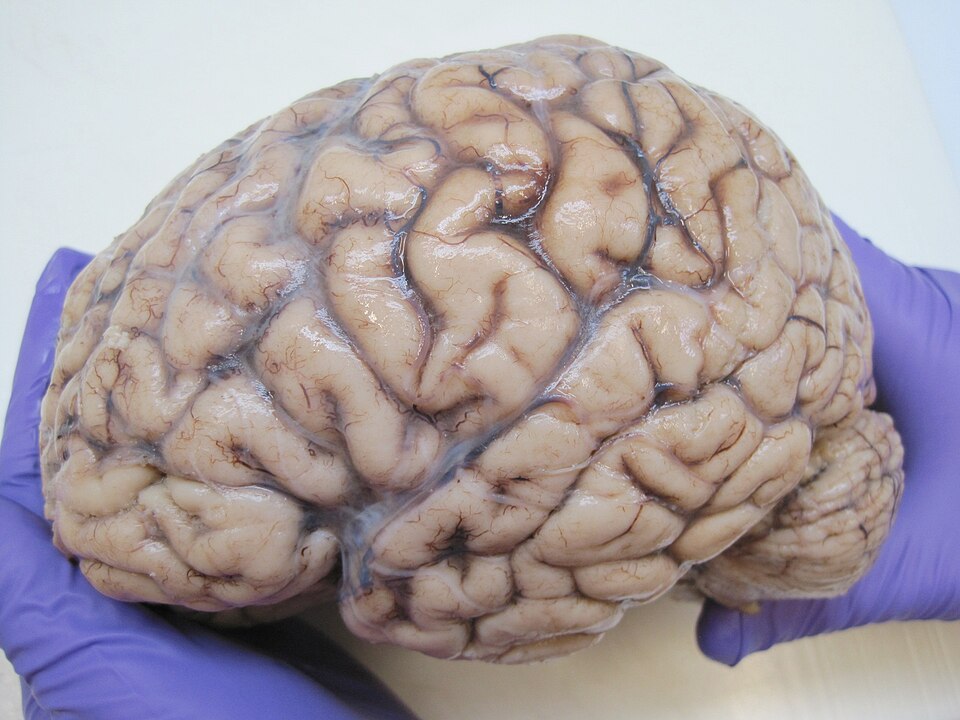
This region of the brain's outer surface directly controls voluntary movement on the opposite side of the body, and damage here commonly produces the weakness seen in hemiparesis.
This densely packed pathway carries movement signals from the brain to the spinal cord, and even a small area of damage here can produce significant weakness due to how tightly fibers are packed together.
Damage to this structure, though less common in typical stroke presentations, can produce significant coordination and balance difficulties distinct from muscle weakness.
These deep brain structures help regulate movement smoothness and muscle tone, and their involvement can contribute to changes such as spasticity or movement initiation difficulty.
Damage to these typically left-hemisphere regions can produce aphasia, affecting speech production, comprehension, or both, depending on the specific area involved.
Following the initial brain injury, secondary changes such as muscle shortening, joint stiffness, and deconditioning can develop in the affected limbs without targeted rehabilitation.
Rather than a single joint range, post-stroke assessment typically tracks functional movement quality and range across multiple joints of the affected side, since weakness, spasticity, and altered movement patterns can each limit range differently.
Understanding which brain systems were affected helps explain the specific pattern of physical, speech, or cognitive changes seen after a stroke, and helps guide a rehabilitation program tailored to the individual's particular deficits.
Neighbouring topics share region literacy — not a severity ranking.