- 1 Start
- 2 Mid
- 3 End
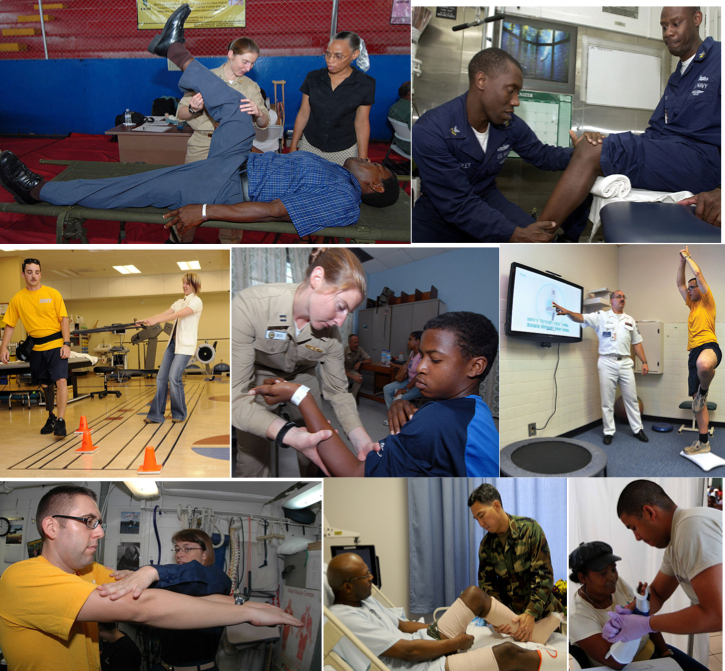
Passive range-of-motion exercise
●○○○○2 × 10 per joint
Gently move the affected limb's joints through a comfortable range, often assisted by a caregiver or therapist in early stages.
Post-Stroke · Stroke recovery relies on the brain's capacity for neuroplasticity to relearn movement, communication, and daily function, often over a rehabilitation process spanning many months.
Darker cells mean a higher score for this topic on that metric.
LessMore
Last reviewed Sources & creditsMedia creditsMethodology
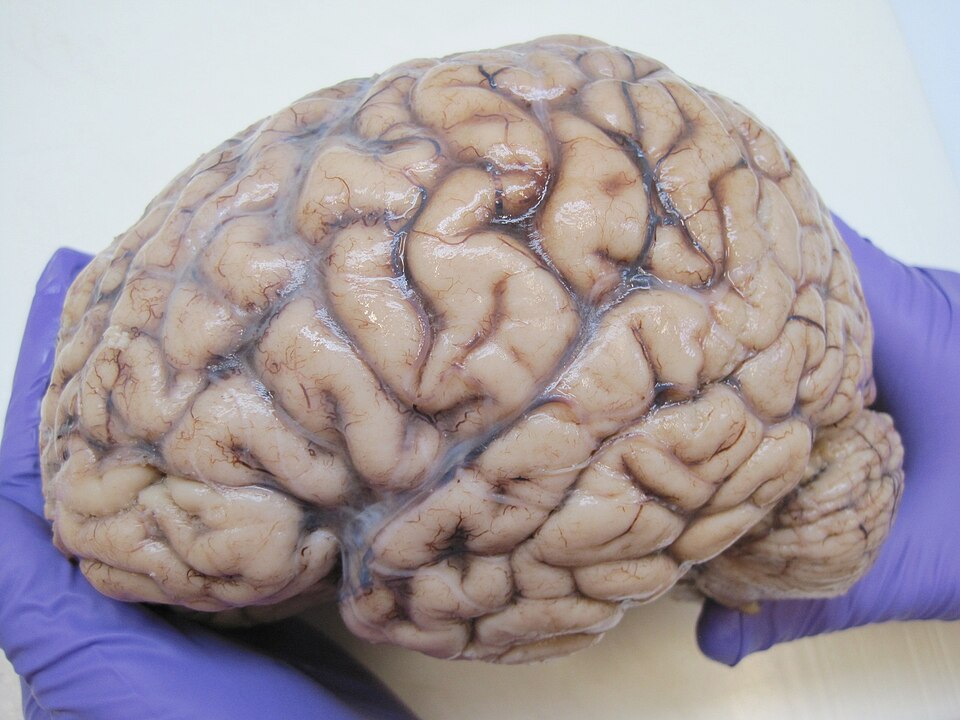
An ischemic stroke results from a blocked blood vessel reducing blood flow to part of the brain, while a hemorrhagic stroke results from bleeding into or around brain tissue; ischemic strokes account for the large majority of cases.
Hemiparesis refers to weakness affecting one side of the body, a common effect of stroke depending on which side of the brain was affected, since each brain hemisphere primarily controls the opposite side of the body.
The degree of recovery varies widely depending on stroke severity, location, and how quickly rehabilitation begins, with many people making significant functional gains, though some degree of lasting impairment is common, particularly after more severe strokes.
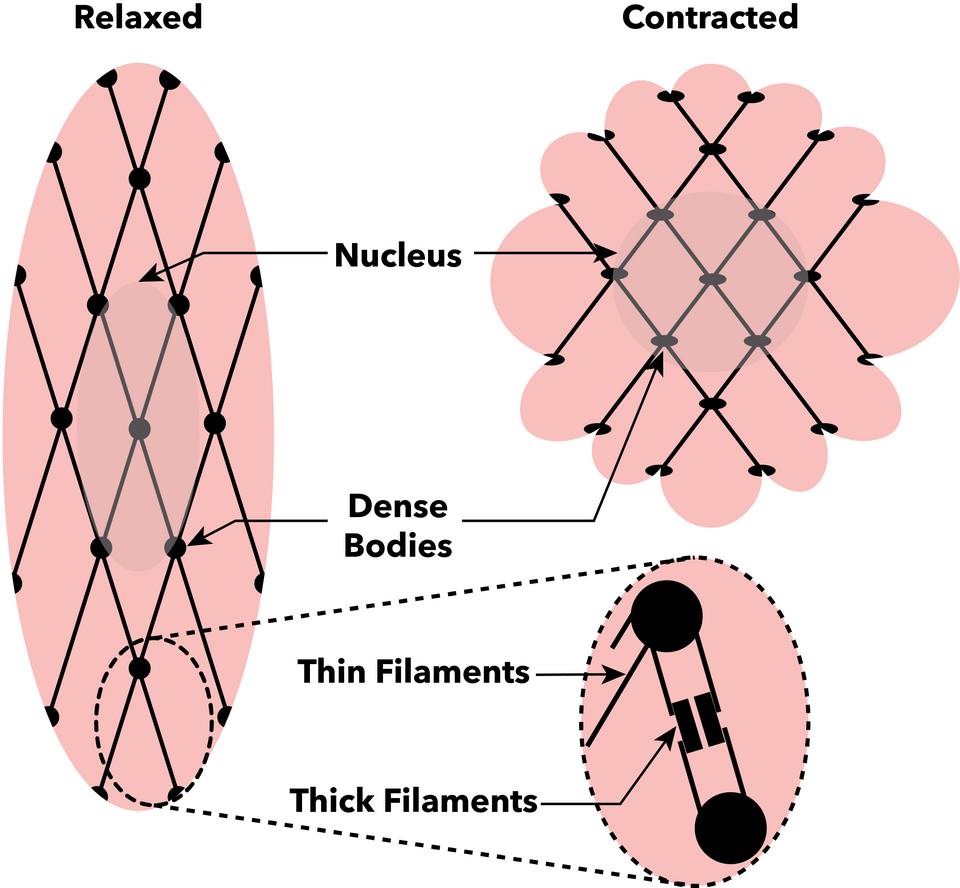
Spasticity is an increase in muscle tone and stiffness that can develop after stroke due to changes in how the nervous system controls muscle activity, sometimes making movement more difficult or affecting positioning and comfort.
Constraint-induced movement therapy is a rehabilitation approach that involves restricting use of the less-affected limb to encourage increased use and relearning in the more affected limb, applied in appropriate candidates.
Early, appropriately dosed rehabilitation is associated with better functional outcomes in many studies, reflecting both the brain's capacity for early neuroplastic change and the importance of preventing complications from prolonged inactivity.
Post-stroke exercise emphasizes task-specific practice and repetition, since evidence consistently supports that meaningful, repeated practice of functional movements drives the neuroplastic changes underlying motor recovery.
Programs are highly individualized based on the specific pattern and severity of impairment, combining strengthening, coordination, and balance work with practice of real-world tasks such as reaching, standing, and walking.
Simple picture of a move already published on this page — not a prescription or medical advice.
2 × 10 per joint
Gently move the affected limb's joints through a comfortable range, often assisted by a caregiver or therapist in early stages.
3 × 10
Reach toward a target with the affected arm, using light assistance from the other hand or a therapist as needed.
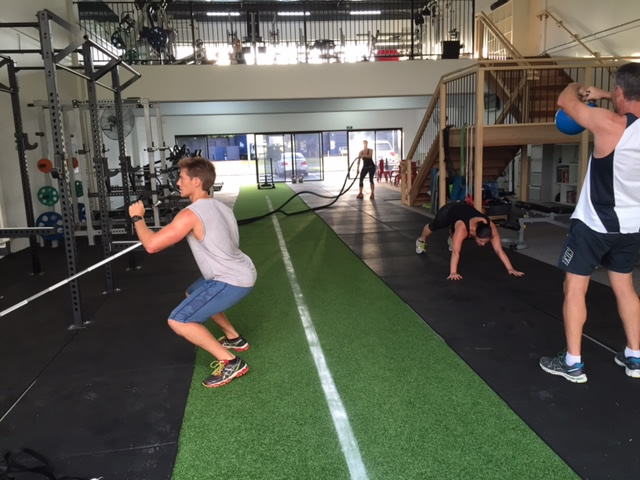
3 × 8–10
Practice standing up from a stable chair with as much symmetrical weight-bearing as possible on both legs.
3 × 20–30s
Stand with weight shifted onto the affected leg while holding a stable support, focusing on steady, even loading.
3 × 10 repetitions of a functional task
Practice a specific functional task, such as grasping and releasing an object, repeatedly with the affected hand.
2 × 5–10 minutes
Practice walking with appropriate support such as a rail, walker, or therapist assistance, focusing on symmetrical steps.
3 × 8 each leg
Practice stepping up onto a low step with controlled weight transfer through the affected leg.
2 × 5 minutes
Practice walking while performing a simple secondary task, such as carrying an object or answering questions, to build real-world balance and attention demands.
As motor control improves, exercises typically progress from passive and assisted movement toward active, resisted, and increasingly complex task-specific practice that mirrors real daily activities.
Neighbouring topics share region literacy — not a severity ranking.