Georgian polyphonic singers
Three-voice tuning at supras feasts — music as civic ritual.
Caucasia · Kavkaz
Extreme language density, wine antiquity, mountain polities and crossroad faiths — diversity as neighborhood, not ranking.
Milestones in order. This is history, not a weekly activity grid.
Last reviewed Sources & creditsMedia creditsMethodology
Five research punchlines — scan before you dive.
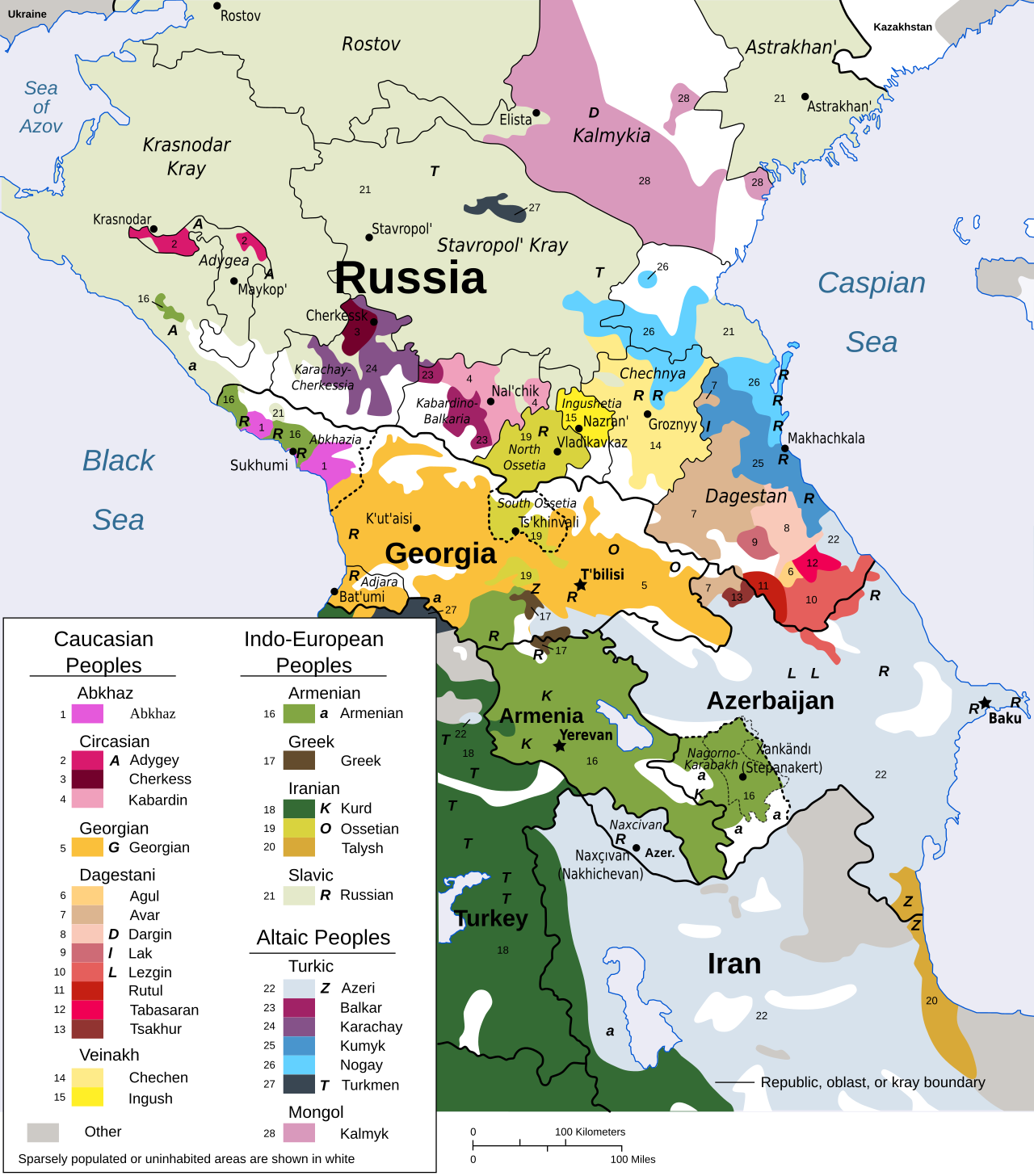
The Caucasus packs extraordinary linguistic diversity into a small map.
Wine, epic poetry and hospitality codes travel across Christian and Muslim valleys.
Imperial contests left borders; they did not create racial leagues.
Neolithic horizons in the wider region.
Iron Age states rise.
Early state Christianization traditions.
Kartli adopts Christianity.
Caliphates and successors contest valleys.
Empire remaps the mountains.
Nation-states flicker after empire.
Ethnofederal policy freezes categories.
New states and conflicts emerge.
Tourism and IT scenes remake cities.
Mountains as archive of languages.
Relief fragmented polities and preserved language islands.
Empires taxed valleys without erasing local law everywhere.
Northeast, Northwest, South Caucasian and more.
Kartvelian, Nakh-Daghestanian, Abkhaz-Adyghe and Indo-European languages neighbor.
Russian and Turkish remain regional lingua francas in places.
Wine, bread, herbs, shared tables.
Long toasts and supra hospitality in Georgia are social theater.
Stuffed leaves and dumplings vary by valley.
Vine blessings, saints, Novruz pockets.
Harvest and saint days structure village time.
Urban festivals export mountain dance to stages.
Polyphony, carpet, stone carving.
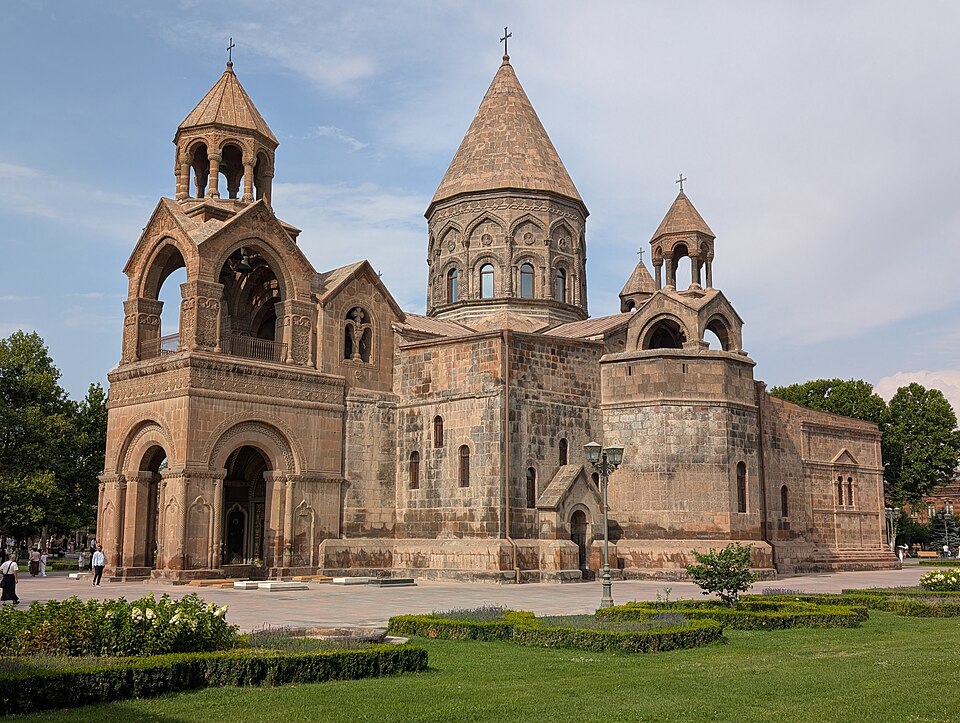
Georgian polyphony and Armenian liturgical music are UNESCO-recognized traditions.
Carpet and metalwork workshops span communities.
Borders, tourism, diaspora.
Closed borders and open Instagram coexist awkwardly.
Diasporas in Russia, Europe and the US fund festivals and media.
Named figures and living schools — culture as practice, not blood type.
Three-voice tuning at supras feasts — music as civic ritual.
Cemetery sculpture preserves faith and craft through invasions.
Customary law negotiates disputes beside state courts — kinship as governance.
Oil-boom capital mixes Soviet conservatoire with modal improvisation.
Scholarly themes rewritten for curious readers — not paywalled jargon, and never a race ranking.
The Caucasus is a celebrated hotspot of families and features — a living argument against one-language–one-race myths.
Takeaway Mountains archive grammars.
Scholars historicize Blumenbach’s label as a racial taxonomy error still haunting police forms and pop speech.
Takeaway Geographic names ≠ race science.
Residue studies support deep wine traditions in Georgia as cultural technology.
Takeaway Fermentation is heritage engineering.
Georgian polyphony research analyzes tuning systems and social singing roles.
Takeaway Harmony can be civic.
Digital ethnography shows youth culture crossing checkpoints online while roads stay shut.
Takeaway Packets outrun visas.
Books, reviews and museum trails — starting points, not a syllabus.
Caucasus as imperial borderland — mountains archive grammars and empires.
How Blumenbach's term still haunts forms and pop speech.
Qvevri jars and biomolecular residue — fermentation as heritage engineering.
Concert films on tuning systems and social singing roles.
Linguistic maps showing extreme family density.
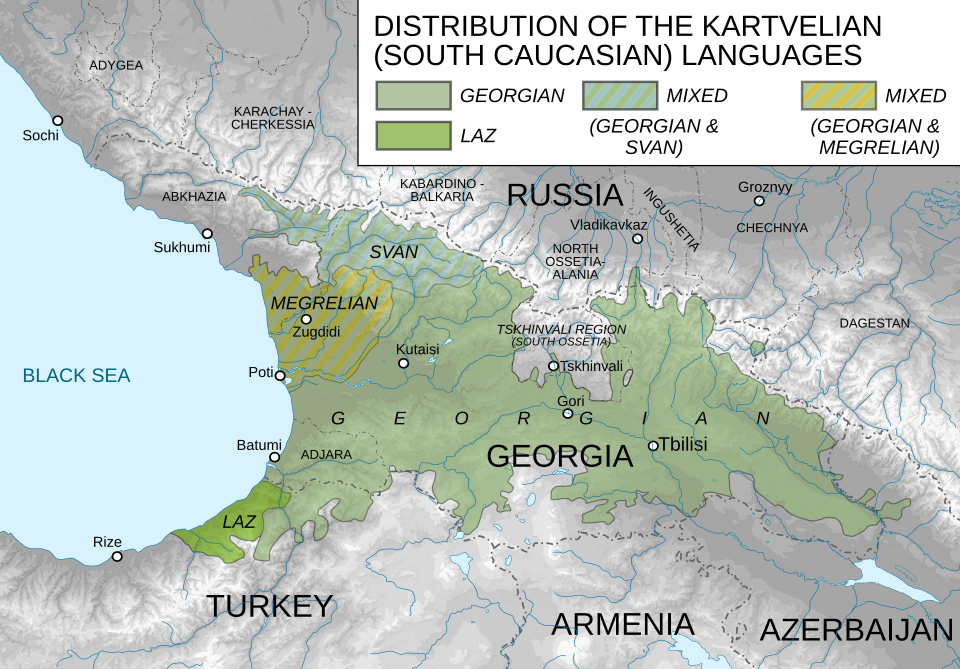
Mountain isolation plus long settlement — not a racial museum.
A discarded racial category. Do not confuse it with Caucasus peoples.
Georgia’s qvevri tradition is among the world’s oldest attested wine cultures.
Modern wars are political; culture pages are not scoreboards of nations.
Stuffed vegetables, breads and herb pastes cross community lines.
Armenian, Georgian and others are distinct literary traditions.
Anatolia; Persianate; writing-systems atlas.
See diversity pages for clines — never as national IQ talk.