Ben-Yehuda and Hebrew revivalists
Late Ottoman Palestine activists relaunched vernacular Hebrew — languages can be relaunched.
Galut · Jewish communities worldwide
Liturgy, languages and kitchens from Iberia to Iraq to Brooklyn — peoplehood and practice, not a racial biology lesson.
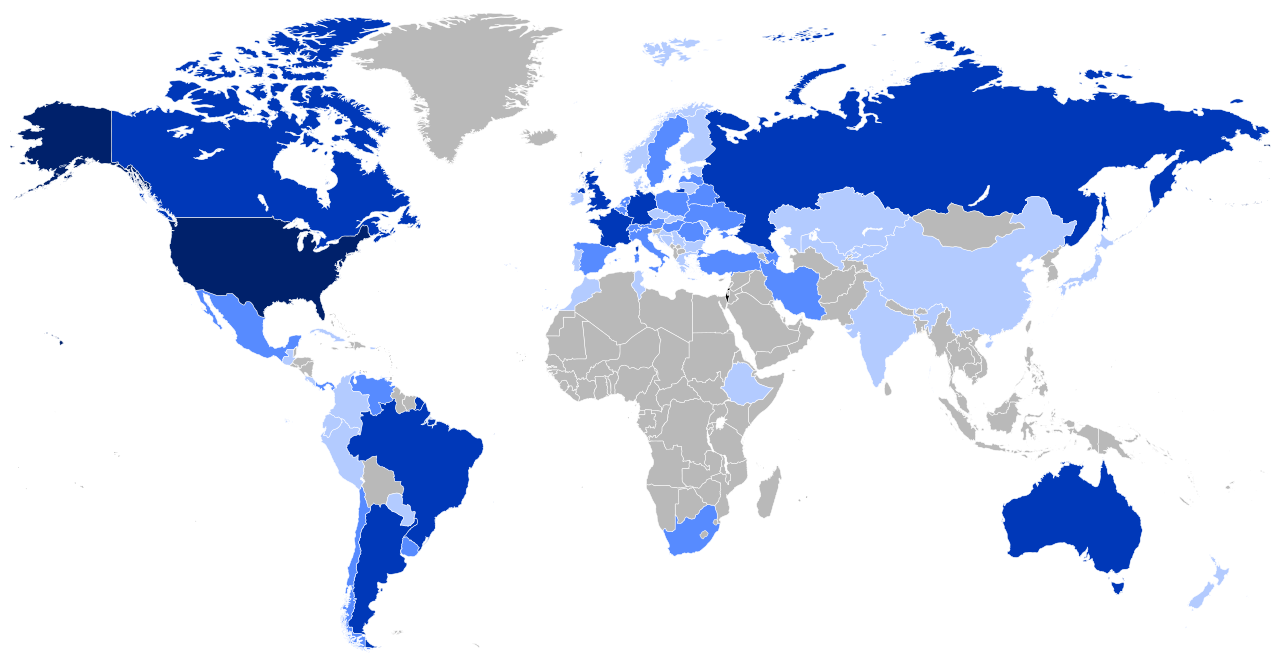
Milestones in order. This is history, not a weekly activity grid.
Last reviewed Sources & creditsMedia creditsMethodology
Five research punchlines — scan before you dive.
Jewish diaspora names scattered communities bound by text, calendar and memory more than territory.
Ashkenazi, Sephardi, Mizrahi and many other traditions differ in language and kitchen.
Genetics research exists elsewhere; this page is culture — and rejects racial antisemitic myths.
Foundational diaspora memory forms.
Rabbinic Judaism adapts without temple cult.
Mediterranean and Near Eastern centers flourish unevenly.
Sephardi diaspora remaps the Mediterranean and beyond.
Yiddish civilization expands.
Citizenship fights coexist with violence.
Americas receive millions.
Genocide destroys European Jewish worlds.
Statehood and Middle Eastern upheavals reshuffle communities.
Digital Torah and food media globalize practice.
Exile, law and portable peoplehood.
Textual study and calendar made community reproducible far from Judea.
Local hosts shaped accents, dress and risk.
Hebrew, Yiddish, Ladino, Judeo-Arabic.
Liturgical Hebrew paired with local Jewish languages for daily life.
Modern Hebrew schooling changed the balance.
Kosher rules, local pantries.
Kashrut structures kitchens; local crops fill the rules differently per region.
Holiday dishes encode exile geographies.
Shared calendar, local tunes.
Rosh Hashanah to Purim travel with communities; melodies diverge.
Public Hanukkah displays are modern diaspora politics.
Text study as art, music, film.
Commentary traditions treat reading as creative labor.
Broadway, cinema and comics show diaspora aesthetics in host languages.
Plural, networked, debated.
Communities argue over religion, politics and assimilation in every host country.
Food media and streaming liturgy remake younger practice.
Named figures and living schools — culture as practice, not blood type.
Late Ottoman Palestine activists relaunched vernacular Hebrew — languages can be relaunched.
Second Avenue stages hosted modernity in mamaloshen — culture shattered by genocide.
Judeo-Spanish ballads carry expulsion memory — one calendar, many kitchens.
Global Jewish student life mixes study, ritual and politics — diaspora as campus network.
Scholarly themes rewritten for curious readers — not paywalled jargon, and never a race ranking.
Modern scholarship insists Jewish identity is historically peoplehood and practice; racial antisemitism biologized Jews to persecute them.
Takeaway This page refuses racial frames from any direction.
The remaking of Hebrew into a vernacular is a classic (and contested) case of successful language planning.
Takeaway Languages can be relaunched.
Foodways, liturgy and languages differ sharply across communities — “Jewish culture” is plural.
Takeaway One calendar, many kitchens.
Scholarship on Sholem Aleichem to Soviet Yiddish traces urban Jewish modernity later shattered by genocide.
Takeaway A civilization can be burned.
When genetics papers on Jewish populations appear, ethicists warn against both antisemitic misuse and essentialism.
Takeaway Data needs guardrails.
Books, reviews and museum trails — starting points, not a syllabus.
College textbook spanning antiquity to modernity — peoplehood, not race science.
How a liturgical tongue became a vernacular — contested success story.
Millennium of Polish Jewish life — useful parallel diaspora display model.
Yiddish literature and shtetl modernity before genocide.
Standard reference for communities, texts and customs across Sephardi, Ashkenazi and Mizrahi worlds.
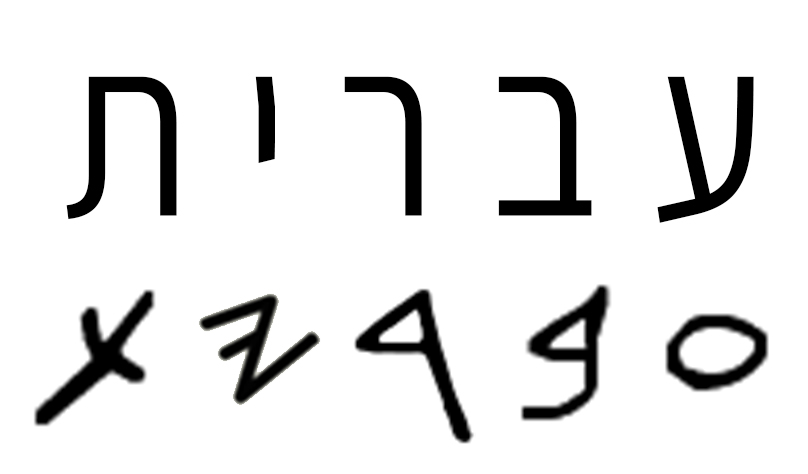
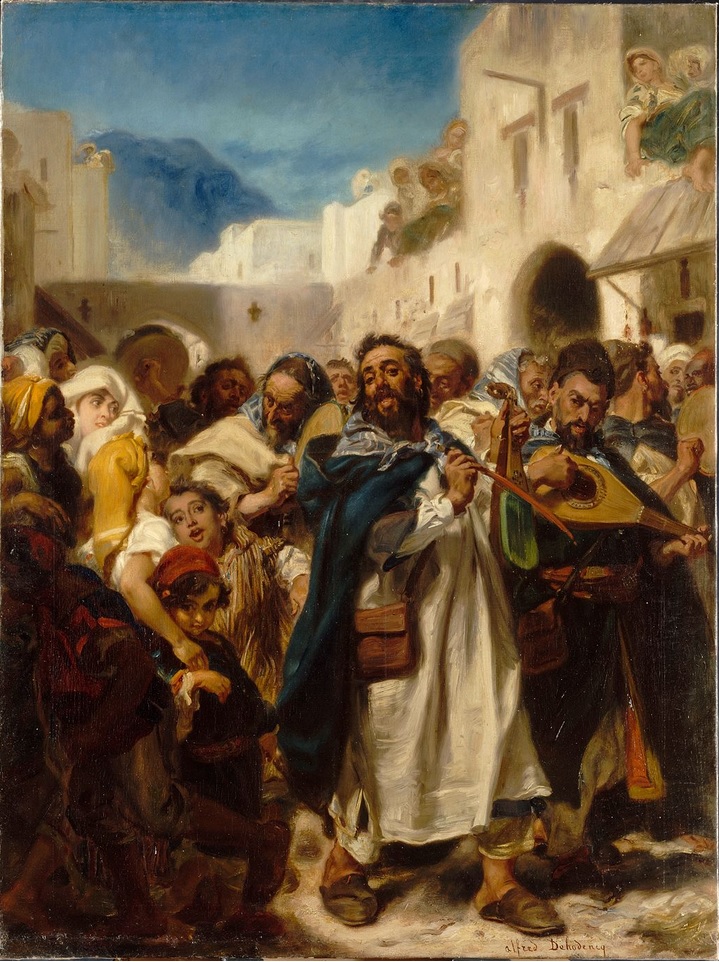
Jewish identity is peoplehood, religion and culture with internal diversity. Racial myths (superior or inferior) are rejected here.
No — gefilte fish and jachnun come from different histories.
Modern Hebrew is a rare successful vernacular revival tied to nationalism and schooling.
Hate ideologies often biologize Jews; this atlas refuses that frame.
Diaspora and Israeli cultures interact and argue; neither erases the other.
Yiddish, Ladino, Judeo-Arabic and more carried local Jewish life.
Diaspora-global; diaspora-corridors atlas; race-is-not-biology.
Use diversity topics for trait biology — never for conspiracy narratives.