Lewontin's 1972 variance partition
Most genetic variation sits within local groups — pillar against biological race, still taught with updates.
Human variation is mostly within groups; continental clusters are soft, clinal and history-laden — not Olympic leagues.
Last reviewed Sources & creditsMedia creditsMethodology
Five research punchlines — scan before you dive.
Genetic structure is explained here as measurable human variation — geography, pathogens, diet and migration — not as a scoreboard of peoples.
Readers get the mechanism, the map-like pattern (clines and patches), and the misconceptions that turn traits into racial folklore.
Nothing on this page ranks intelligence, worth or civilization by group.
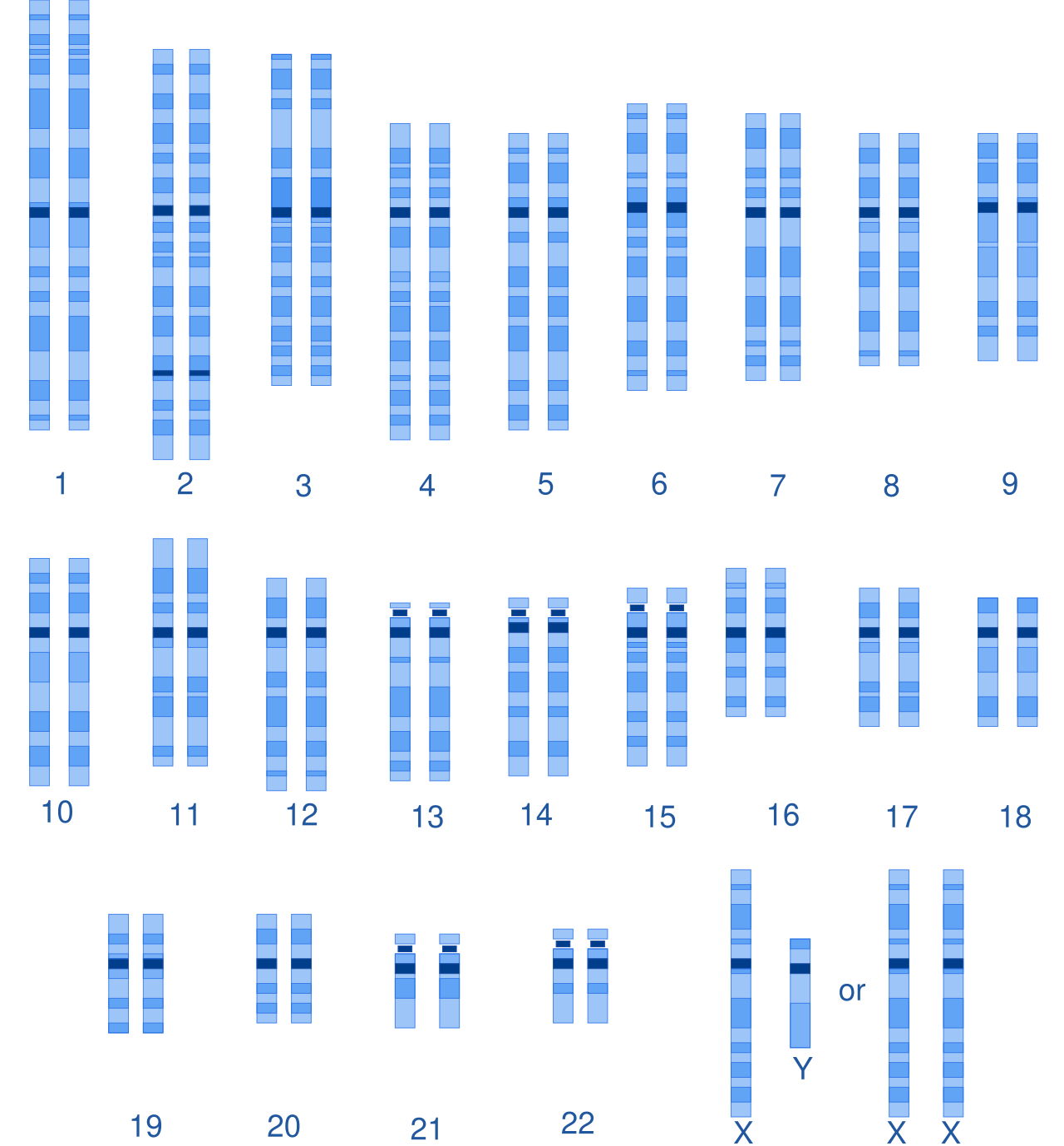
Biological mechanism behind Genetic structure.
The trait responds to concrete pressures: light, air, pathogens, diet or demographic history.
Multiple genes and environments usually interact; single-gene bedtime stories are rare.
Where and why Genetic structure varies.
Maps of this trait look like weather: gradients, patches and corridors — not painted race continents.
Colonial census categories rarely match those biological gradients.
Concrete histories of adaptation and contact — never a league table of peoples.
Most genetic variation sits within local groups — pillar against biological race, still taught with updates.
Neighbors differ genetically plenty; "European" cluster disappears when you zoom in — smooth gradients beat boxes.
Consumer kits reveal family secrets and colonial history — percentages are estimates, not identity licenses.
Running clustering with different K reifies groups users expect — algorithms need humility captions.
Scholarly themes rewritten for curious readers — not paywalled jargon, and never a race ranking.
Most human genetic variation is within local groups; continental labels capture little of the total — a pillar against biological race.
Takeaway Neighbors differ plenty already.
Principal component maps reflect sampling and history; they are not moral scoreboards or discrete races.
Takeaway A scatterplot isn’t a caste system.
Allele frequencies often change gradually with geography — clines again.
Takeaway Smooth gradients beat boxes.
Guidance increasingly prefers ancestry-informative or direct assays over crude race checkboxes.
Takeaway Treat the allele you can measure.
Clustering algorithms can reify groups if users aren’t careful about K and storytelling.
Takeaway Methods need humility captions.
Books, reviews and museum trails — starting points, not a syllabus.
Anthropologist dismantles folk race with genetics literacy — companion to this page.
Why scatterplots are not moral scoreboards — methods humility.
Variation displays with Lewontin-era messaging updated for genomics.
PBS series on social race vs biology — still assigned in classrooms.
Open frequency data — explore clines yourself without ranking peoples.
Tap a card — the fact stays hidden until you flip.
PCA plots prove five biological races.
Axes reflect sampling and history; clusters change with which populations you include.
Within-group variation means ancestry is useless.
Some loci still inform medical risk — carefully, not via census race alone.
Genetic distance equals civilizational distance.
Distance metrics are not moral or IQ rankings.
If structure exists, race science was right.
Structure ≠ the 18th-century race typology used for hierarchy.
One SNP defines a people.
Peoples are cultural-political; genomes are probabilistic clouds.
No. Traits can vary by place without slicing humanity into ranked subspecies.
Because curiosity about bodies is valid — and unanswered curiosity is where race myths recruit.
Only to explain mechanisms or public health. Averages never become league tables of worth.
No. Clinical decisions need clinicians, not atlas pages.
By preferring review-level consensus and labeling open debates.
A gradual change in trait frequency across geography, rather than a sharp racial border.
Yes — dairying and malaria are classic feedback loops.
See related diversity topics and the atlas page on genetic-distance myths.