Confucian examination graduates (jinshi)
For centuries, literary mastery—not birth alone—opened office; a merit myth with real social effects.
Zhonghua · Sinitic world
Continuous literary civilization, regional cuisines, and a modern continental state whose diaspora spans every ocean.
Milestones in order. This is history, not a weekly activity grid.
Last reviewed Sources & creditsMedia creditsMethodology
Five research punchlines — scan before you dive.
China is treated here as a cultural region — languages, foods, festivals, arts and living histories — not as a biological race. Borders blur; people move; traditions remix.
This guide gathers origin stories, linguistic maps, everyday cuisine, ritual calendars, aesthetic forms and how the region looks in the twenty-first century, including diasporas.
Images lean on Wikimedia Commons where licences allow commercial reuse. Claims prefer dated, checkable history over stereotypes.
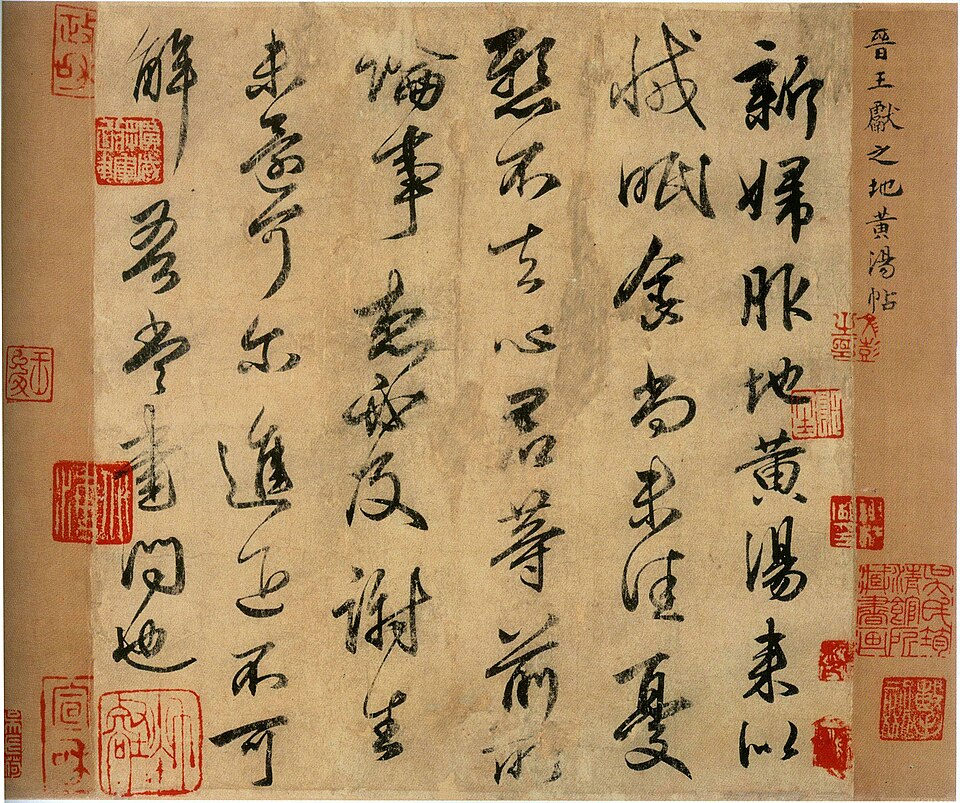
Oracle bones preserve early Chinese script.
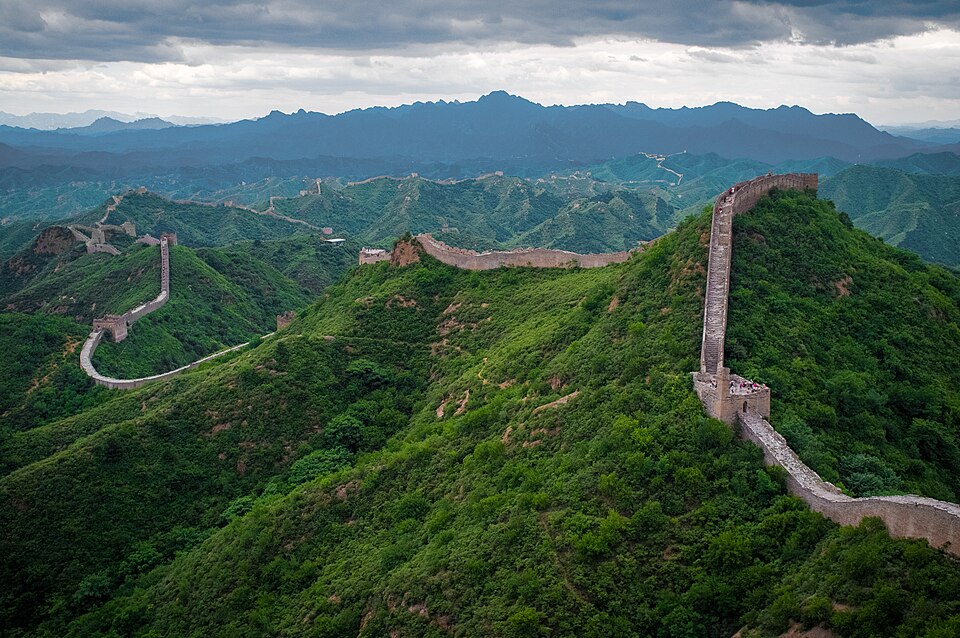
Weights, roads and script standards bind a vast territory.
Confucian state ideology and Silk Road links expand.
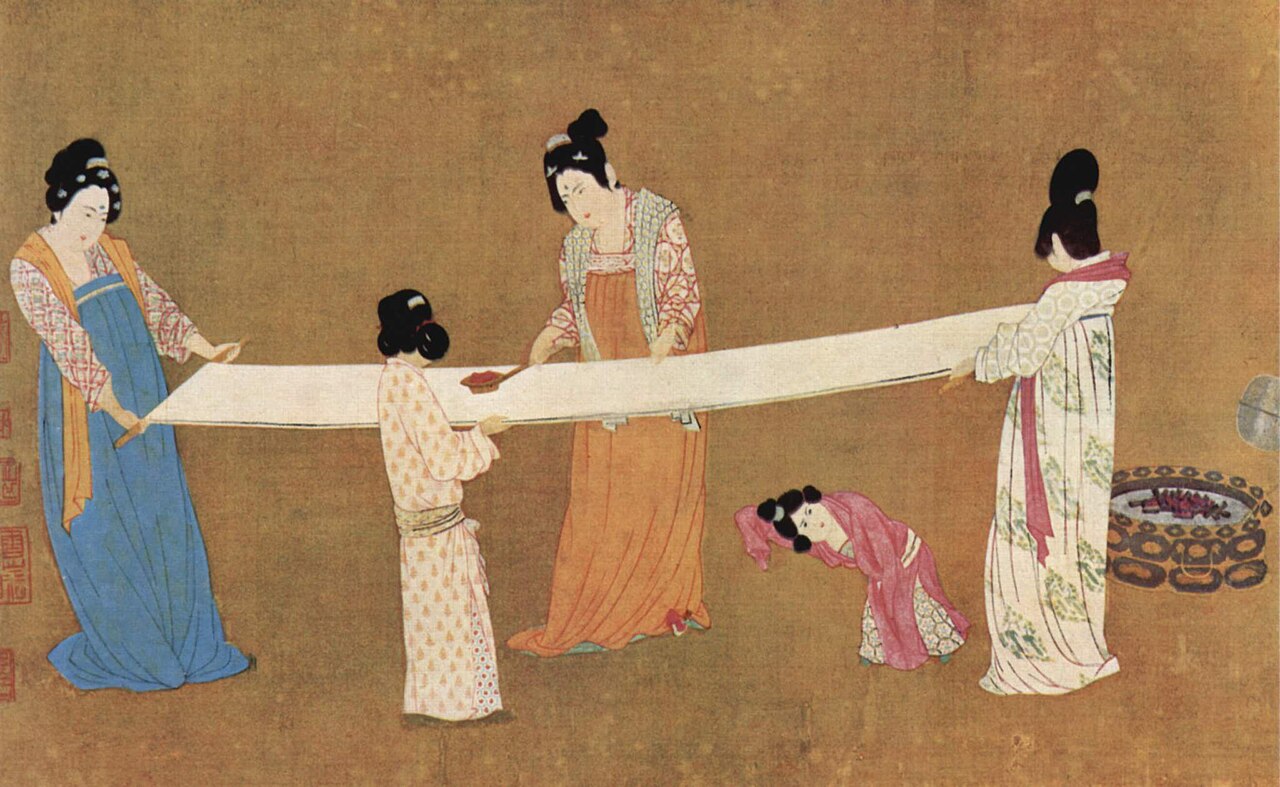
Chang'an as Eurasian metropolis of poetry and trade.
Print, compass and commercial cities reshape daily life.
Maritime expeditions and porcelain export peak.
Empire incorporates Inner Asia; Opium Wars force change.
Imperial rule ends; vernacular literature rises.
New state remakes land, script reform and industry.
Market opening creates megacities and global supply chains.
Early settlements, states and exchange networks that shaped China.
Long before modern passports, people in this region farmed, herded, traded and built cities under climates that still shape diet and festival timing.
Archaeology, linguistics and written chronicles disagree on details; this section favors widely attested milestones over nationalist myth alone — while noting when myth itself is culturally important.
Language families, scripts and everyday multilingualism in China.
Speech is one of the strongest everyday markers of belonging here, yet multilingualism is normal in markets, schools and ritual life.
Scripts may be shared across political borders while pronunciation and slang stay local — a reminder that maps of states and maps of tongues rarely match.
Staples, techniques and social meals across China.
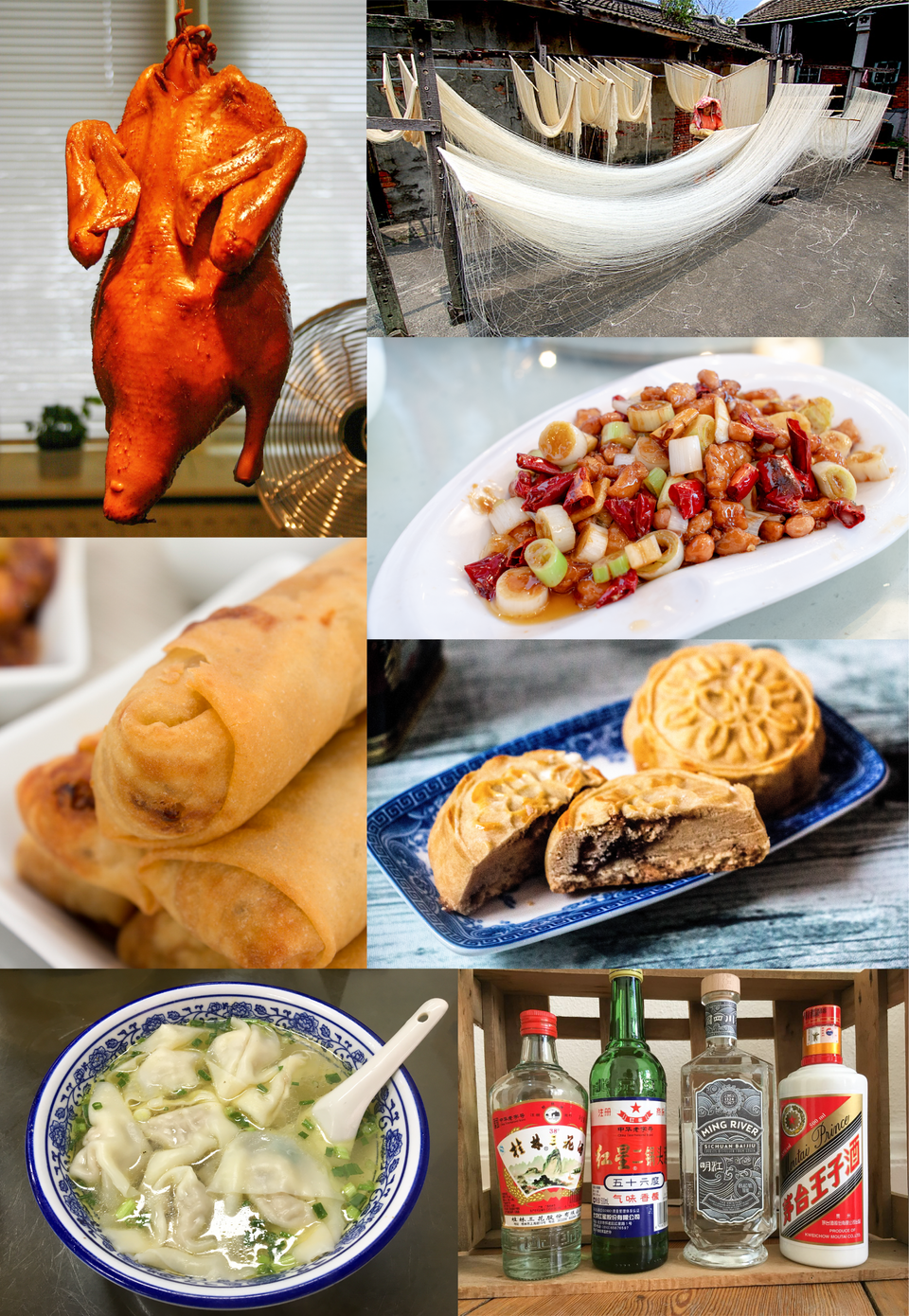
Cuisine here is technology: fermentation, fire management, preservation for lean seasons and hospitality rules that say who eats first.
“National dishes” are often recent branding; older patterns are regional, seasonal and tied to class or ritual calendars.
Calendars of celebration, mourning and pilgrimage in China.
Festival time compresses identity: clothing, music and food that may be rare on weekdays return in force.
Lunisolar and liturgical calendars still beat underneath civil dates in much of the region.
Visual, musical and craft traditions associated with China.
Aesthetic systems here — proportion, ornament, silence, improvisation — train the eye and ear from childhood.
Court, folk and pop layers coexist; global media remixes them without erasing local workshops.
Cities, diaspora and twenty-first-century change in China.
Most people in this cultural orbit now live with smartphones, wage labor and hybrid identities — rural memory included.
Climate stress, migration and platform media are rewriting which traditions stay compulsory and which become optional heritage.
Named figures and living schools — culture as practice, not blood type.
For centuries, literary mastery—not birth alone—opened office; a merit myth with real social effects.
Guild-based opera in Guangdong and diaspora preserves distinct speech and costume — one country, many stages.
Sogdian and later Muslim traders linked Chang'an to Samarkand — culture as caravan logistics.
Taobao villages and Douyin hosts sell local crafts nationwide — platform culture rewiring identity.
Scholarly themes rewritten for curious readers — not paywalled jargon, and never a race ranking.
Epigraphic and institutional histories link writing, taxation and ritual calendars across dynasties without treating “Chinese civilization” as biologically continuous.
Takeaway Records build states.
Mutual unintelligibility among Sinitic varieties challenges the idea of one spoken “Chinese”; Putonghua spread is schooling and media history.
Takeaway Nation language ≠ single mother tongue.
Recent Silk Road scholarship replaces a single romantic road with shifting oasis, steppe and maritime networks carrying goods and religions.
Takeaway Corridors pluralize contact.
Historians show how provincial cuisine brands were standardized in restaurants and cookbooks in the late imperial and republican eras.
Takeaway Menus invent regions.
Research on the PRC’s minzu identification campaigns shows how scholars and cadres negotiated official ethnic categories — administrative, not natural kinds.
Takeaway Census boxes are made.
Books, reviews and museum trails — starting points, not a syllabus.
Narrative from Ming collapse through reform era — shows how "China" as unit is recent and contested.
Sociolinguistic surveys on how broadcast standard reshaped multilingual provinces.
Imperial collections display craft across dynasties — ask which audiences could access them when.
Migrant workers' Spring Festival journeys — factory China as culture remaking villages.
Reference for language families, scripts and contact inside the Sinitic continuum.
No. The label groups many communities that share historical contact, trade or aesthetic exchange. Local identities remain primary.
Cultures are not sports teams. This atlas explains practices and histories without superior/inferior scores.
Major lingua francas and heritage languages appear together; minority tongues are named where they structure identity.
Through staples, techniques and social meals — not tourist clichés alone — with note of regional variation.
As lived practice and festival calendars, without treating any faith as a racial essence.
State borders and conflicts appear when they shaped culture; the page is not a news wire.
Yes. Overseas communities often conserve and reinvent tradition; they appear in the Today section.
Wikipedia article titles resolve to Commons files with reusable licences; attribution lives on the credits page.