Ifugao rice terrace cooperatives
Intergenerational labor rules maintain UNESCO-listed landscapes — irrigation as social contract.
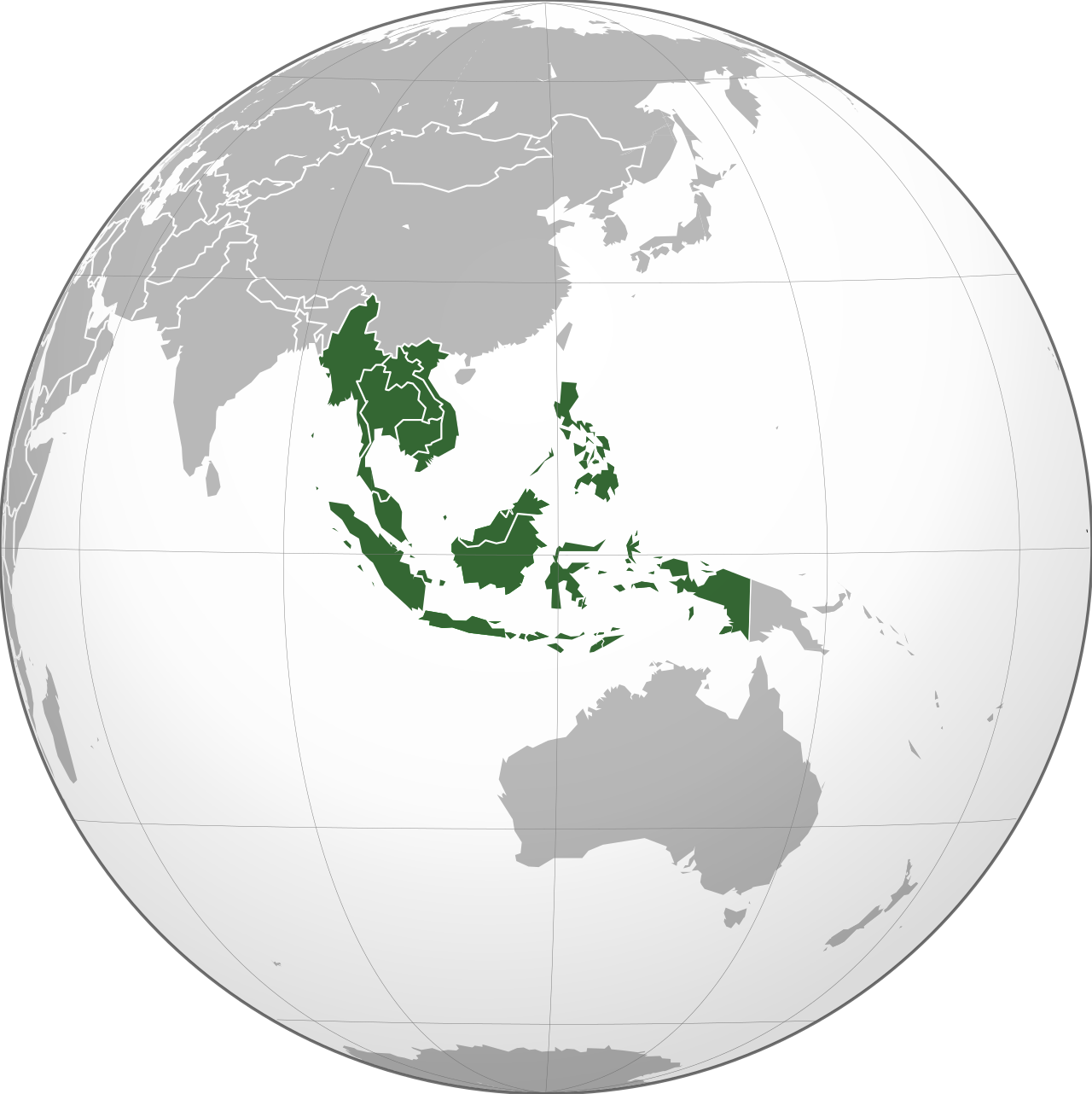
ASEAN region · Nusantara & Mainland
Monsoon trade crossroads where Indic, Sinic, Islamic and indigenous worlds braid through spice, rice and archipelago seas.
Milestones in order. This is history, not a weekly activity grid.
Last reviewed Sources & creditsMedia creditsMethodology
Five research punchlines — scan before you dive.
Southeast Asia is treated here as a cultural region — languages, foods, festivals, arts and living histories — not as a biological race. Borders blur; people move; traditions remix.
This guide gathers origin stories, linguistic maps, everyday cuisine, ritual calendars, aesthetic forms and how the region looks in the twenty-first century, including diasporas.
Images lean on Wikimedia Commons where licences allow commercial reuse. Claims prefer dated, checkable history over stereotypes.
Funan, Srivijaya and others adopt Indic scripts and kingship.
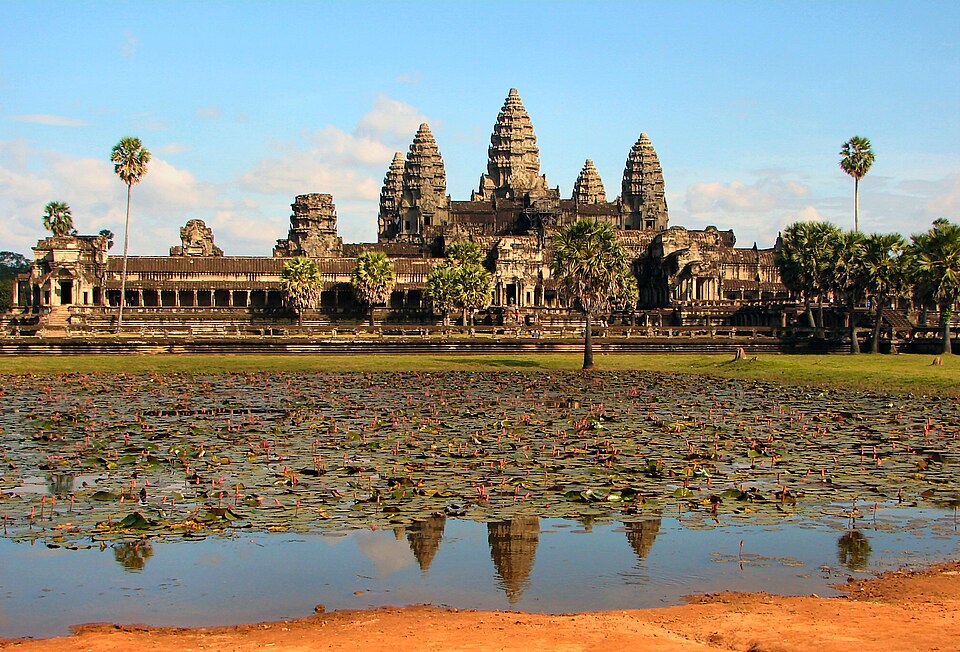
Angkor hydraulic cities dominate the mainland.
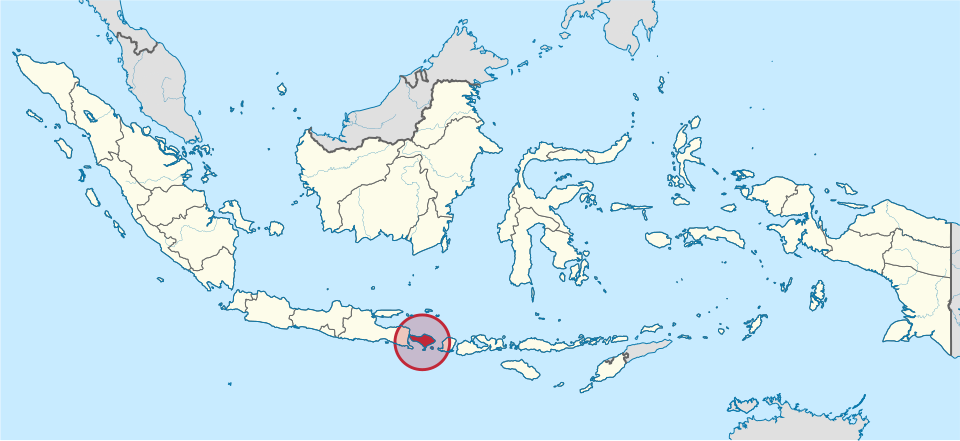
Java-centered thalassocracy links the archipelago.
Coastal sultanates spread along trade routes.
Portuguese seize the choke point of Asian trade.
Dutch, British, French and Spanish carve spheres.
Nations emerge after Japanese occupation and wars.
Regional cooperation begins amid Cold War splits.
Currency shocks remake politics and labor migration.
Young populations drive apps, remittances and tourism.
Early settlements, states and exchange networks that shaped Southeast Asia.
Long before modern passports, people in this region farmed, herded, traded and built cities under climates that still shape diet and festival timing.
Archaeology, linguistics and written chronicles disagree on details; this section favors widely attested milestones over nationalist myth alone — while noting when myth itself is culturally important.
Language families, scripts and everyday multilingualism in Southeast Asia.
Speech is one of the strongest everyday markers of belonging here, yet multilingualism is normal in markets, schools and ritual life.
Scripts may be shared across political borders while pronunciation and slang stay local — a reminder that maps of states and maps of tongues rarely match.
Staples, techniques and social meals across Southeast Asia.
Cuisine here is technology: fermentation, fire management, preservation for lean seasons and hospitality rules that say who eats first.
“National dishes” are often recent branding; older patterns are regional, seasonal and tied to class or ritual calendars.
Calendars of celebration, mourning and pilgrimage in Southeast Asia.
Festival time compresses identity: clothing, music and food that may be rare on weekdays return in force.
Lunisolar and liturgical calendars still beat underneath civil dates in much of the region.
Visual, musical and craft traditions associated with Southeast Asia.
Aesthetic systems here — proportion, ornament, silence, improvisation — train the eye and ear from childhood.
Court, folk and pop layers coexist; global media remixes them without erasing local workshops.
Cities, diaspora and twenty-first-century change in Southeast Asia.
Most people in this cultural orbit now live with smartphones, wage labor and hybrid identities — rural memory included.
Climate stress, migration and platform media are rewriting which traditions stay compulsory and which become optional heritage.
Named figures and living schools — culture as practice, not blood type.
Intergenerational labor rules maintain UNESCO-listed landscapes — irrigation as social contract.
Dalang performers memorize epics overnight — oral archive as nightly job.
Nurses and seafarers remit home and import food, faith and slang — culture loops through wages.
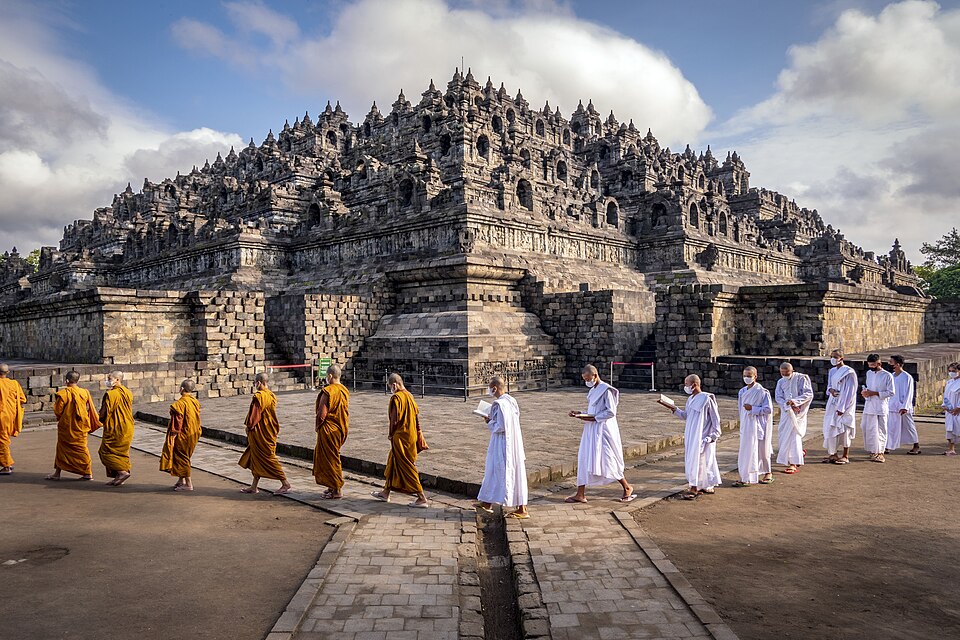
Monastic literacy networks across Myanmar, Thailand and Laos — Buddhism as mobile curriculum.
Scholarly themes rewritten for curious readers — not paywalled jargon, and never a race ranking.
Work on Austronesian dispersal combines language trees with archaeology of boats and farming, while warning against reading trees as pure race migrations.
Takeaway Language spreads ≠ clean genetic replacements.
Historians describe overlapping centers of power radiating influence — a poor fit for modern border maps pasted backward.
Takeaway Old maps mislead if you force nation-states onto them.
Studies of coastal Islamization stress trade, Sufi networks and local kingship rather than a single conquest template.
Takeaway Faith travels with merchants and marriage.
Terrace systems in places like Ifugao are analyzed as long-term collective engineering under ritual and labor rules.
Takeaway Landscape is social technology.
Research on rubber, sugar and spices tracks how colonial science remade forests into plantations still shaping diets.
Takeaway Global groceries have violent backstories.
Books, reviews and museum trails — starting points, not a syllabus.
Classic portrait of early modern trade, gender and urban life before European dominance.
Balanced summary of boat-farming spreads without racial replacement cartoons.
Maritime trade galleries link Indian Ocean and South China Sea objects — good corridor thinking.
Indonesian genocide re-enacted by perpetrators — brutal lesson on how states invent enemies.
Catalog of hundreds of languages — evidence against one-language–one-race maps.
No. The label groups many communities that share historical contact, trade or aesthetic exchange. Local identities remain primary.
Cultures are not sports teams. This atlas explains practices and histories without superior/inferior scores.
Major lingua francas and heritage languages appear together; minority tongues are named where they structure identity.
Through staples, techniques and social meals — not tourist clichés alone — with note of regional variation.
As lived practice and festival calendars, without treating any faith as a racial essence.
State borders and conflicts appear when they shaped culture; the page is not a news wire.
Yes. Overseas communities often conserve and reinvent tradition; they appear in the Today section.
Wikipedia article titles resolve to Commons files with reusable licences; attribution lives on the credits page.