Quechua potato custodians
Hundreds of named landraces in high fields — food security as cultural memory.
Andean world · Cordillera cultures
Potato domestication, Quechua–Aymara worlds, Inca roads and highland festivals — altitude culture without racial myths.
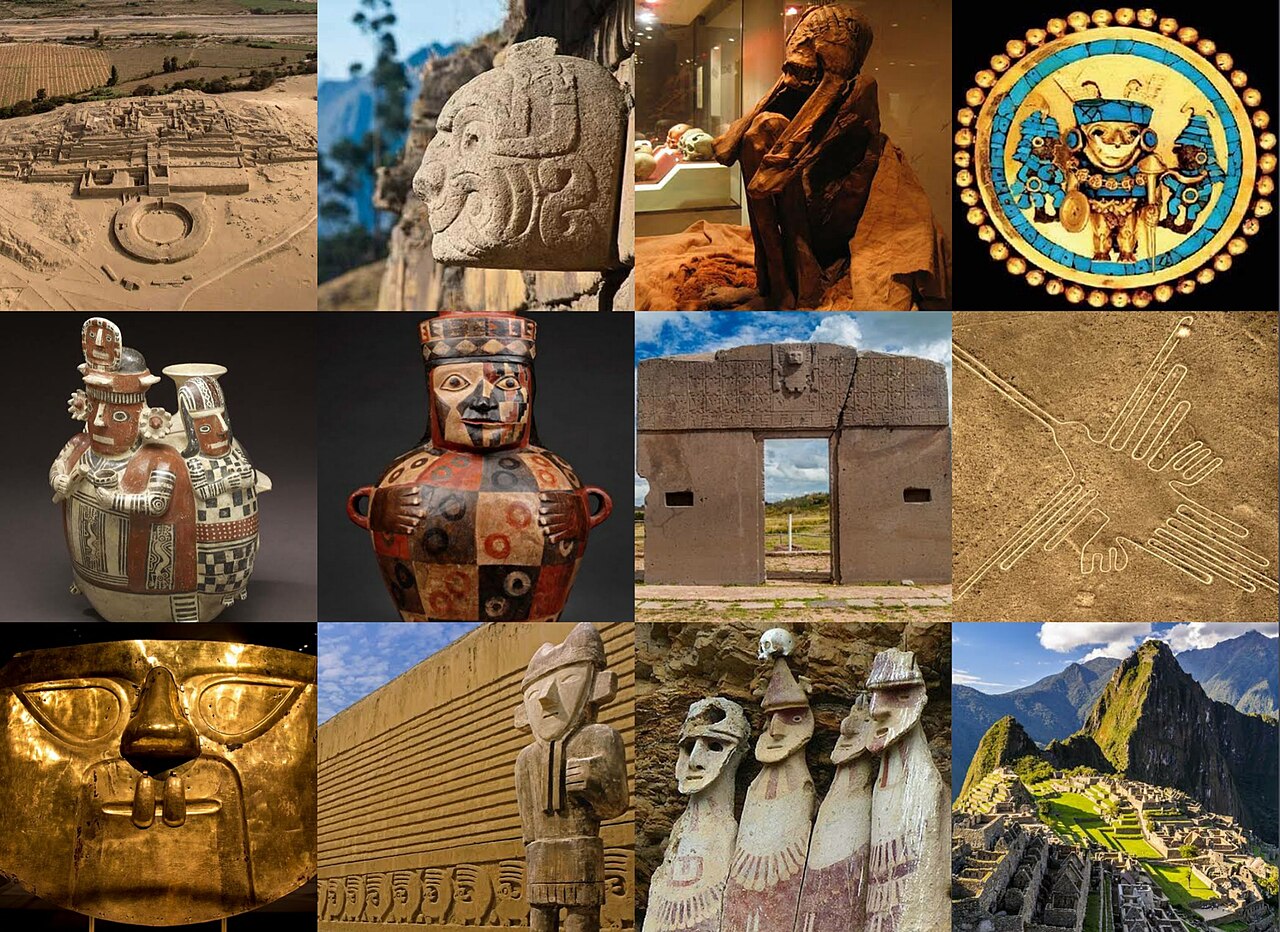
Milestones in order. This is history, not a weekly activity grid.
Last reviewed Sources & creditsMedia creditsMethodology
Five research punchlines — scan before you dive.
Andean cultures domesticated altitude: crops, ritual and labor systems fit thin air.
Inca infrastructure overlays older societies; Spanish colonialism remapped belief and land.
Indigenous languages and festivals remain political present tense.
Highland and coastal societies intensify.
Shared iconography spreads.
Moche, Nazca, Tiwanaku and others flourish.
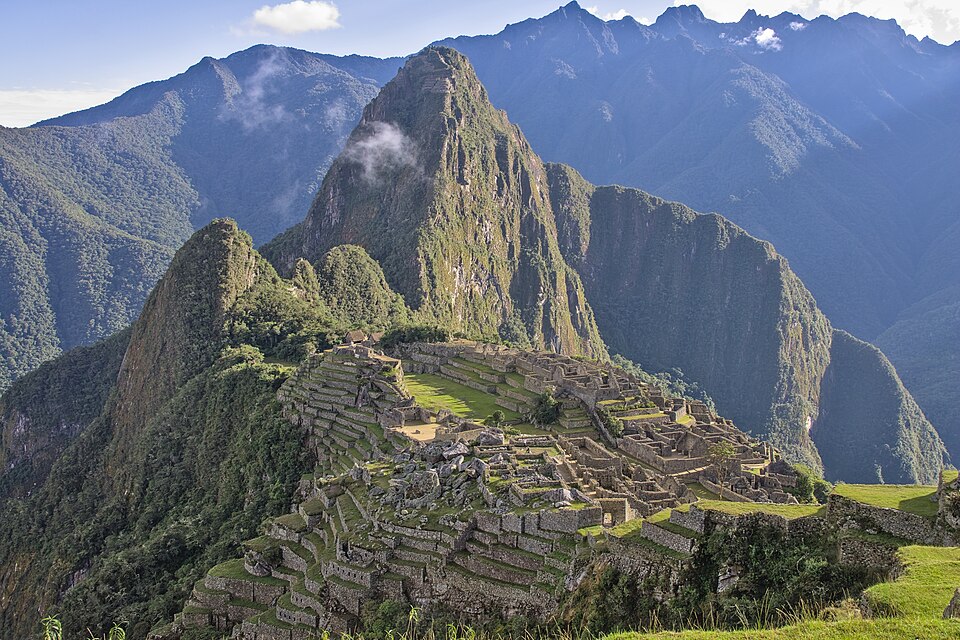
Inca expansion builds roads and admin.
Disease and war shatter the empire.
Rebellion reopens indigenous politics.
New states inherit unequal land regimes.
Land and language politics intensify.
Constitutions and movements gain ground.
Cities remix highland identity and pop.
Domestication and vertical archipelagos.
Communities farmed multiple altitudes like a vertical archipelago of fields.
Statecraft later scaled those exchanges into roads and storehouses.
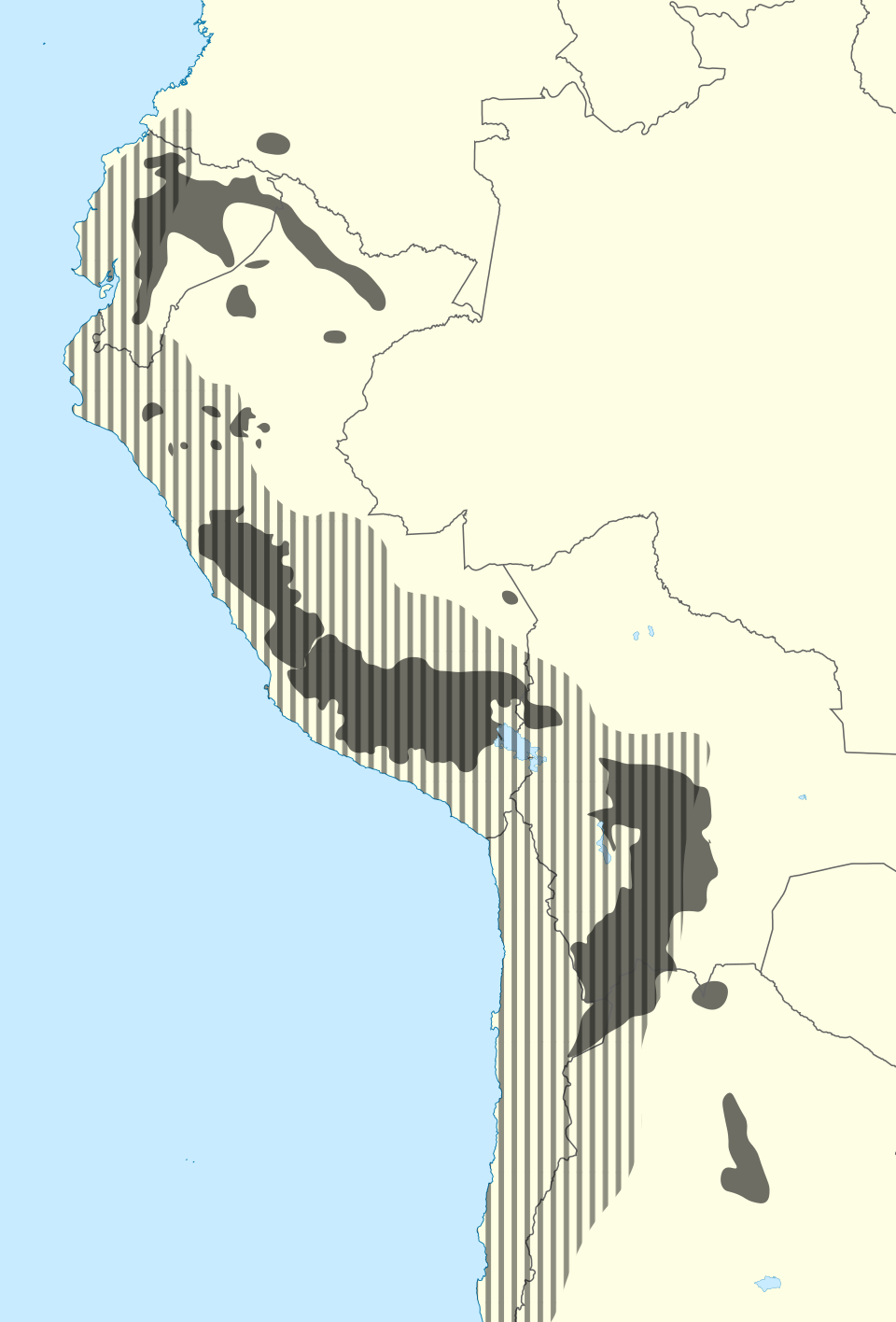
Quechua, Aymara and contact Spanish.
Quechua spread with Inca and mission policy; Aymara holds the altiplano.
Andean Spanish carries substrate patterns.
Tubers, freeze-drying, chili.
Hundreds of potato varieties and chuño freeze-drying are engineering as much as cuisine.
Markets still grade tubers by altitude niche.
Inti Raymi revivals, Carnival, pilgrimage.
Solar and agricultural calendars intertwine with Catholic feast days.
Carnival in the Andes can be politically loud.
Textiles as writing, metal, contemporary film.
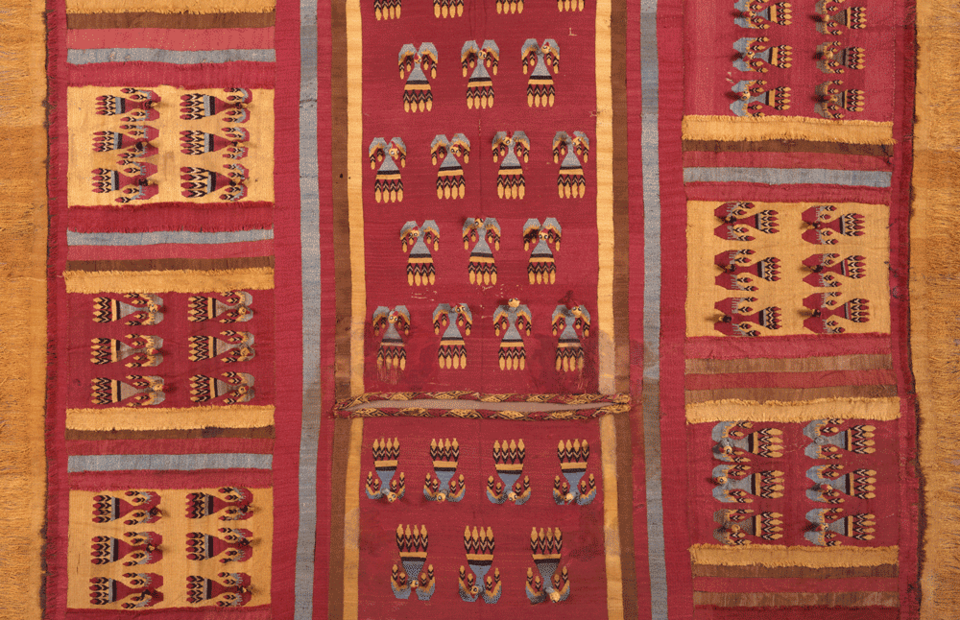
Woven cloth carries identity marks some scholars call a textile literacy.
Contemporary artists confront extractivism and memory.
Cities, lithium, language rights.
Youth move to coastal metros and send money home; lithium and copper reshape highlands.
Language activists push media and school space.
Named figures and living schools — culture as practice, not blood type.
Hundreds of named landraces in high fields — food security as cultural memory.
Bridges, tambos and labor drafts moved armies and chicha — empire is a timetable.
La Paz women reclaimed bowler hats and polleras as pride — tradition remixed.
Mountain Christian festivals layer Andean and Catholic practice coherently.
Scholarly themes rewritten for curious readers — not paywalled jargon, and never a race ranking.
Murra’s model (and critiques) explain how communities farmed multiple altitudes like a portfolio of fields.
Takeaway Ecology taught diversification.
Genebank and community studies count hundreds of landraces — food security as cultural memory.
Takeaway Biodiversity is named in Quechua too.
Road system research reframes Inca power as logistics: tambos, bridges, labor drafts.
Takeaway Empire is a timetable.
Mountain Christian festivals are read as layered Andean and Catholic practice, not “confused” faith.
Takeaway Layers can be coherent.
Andean hypoxia research is about physiology and development — pair with the diversity page, never race ranks.
Takeaway Traits are not trophies.
Books, reviews and museum trails — starting points, not a syllabus.
Archaeological and ethnohistoric synthesis — empire as logistics.
How communities farmed multiple altitudes like a portfolio.
Pre-Columbian ceramics and gold — read without "lost race" framing.
Peruvian film on trauma and folk healing — contemporary Andean life.
Check vocabulary for potato landraces and festival terms.
No. They were one expansive state among many Andean societies.
See the high-altitude diversity page — adaptations are traits, not race ranks.
Andean domestication is foundational to world food history.
Quechua and Aymara remain millions-strong with regional variation.
Catholic festivals often carry Andean mountain devotion underneath.
Extractive economies shape migration and ritual calendars still.
Indigenous Americas; high-altitude diversity; trade-routes.
Colonial casta systems were social law — not biology we endorse.