Confucius (Kongzi)
Not a race founder but a curriculum: exams, bureaucracy and moral vocabulary spread through schools across the Sinographic world.
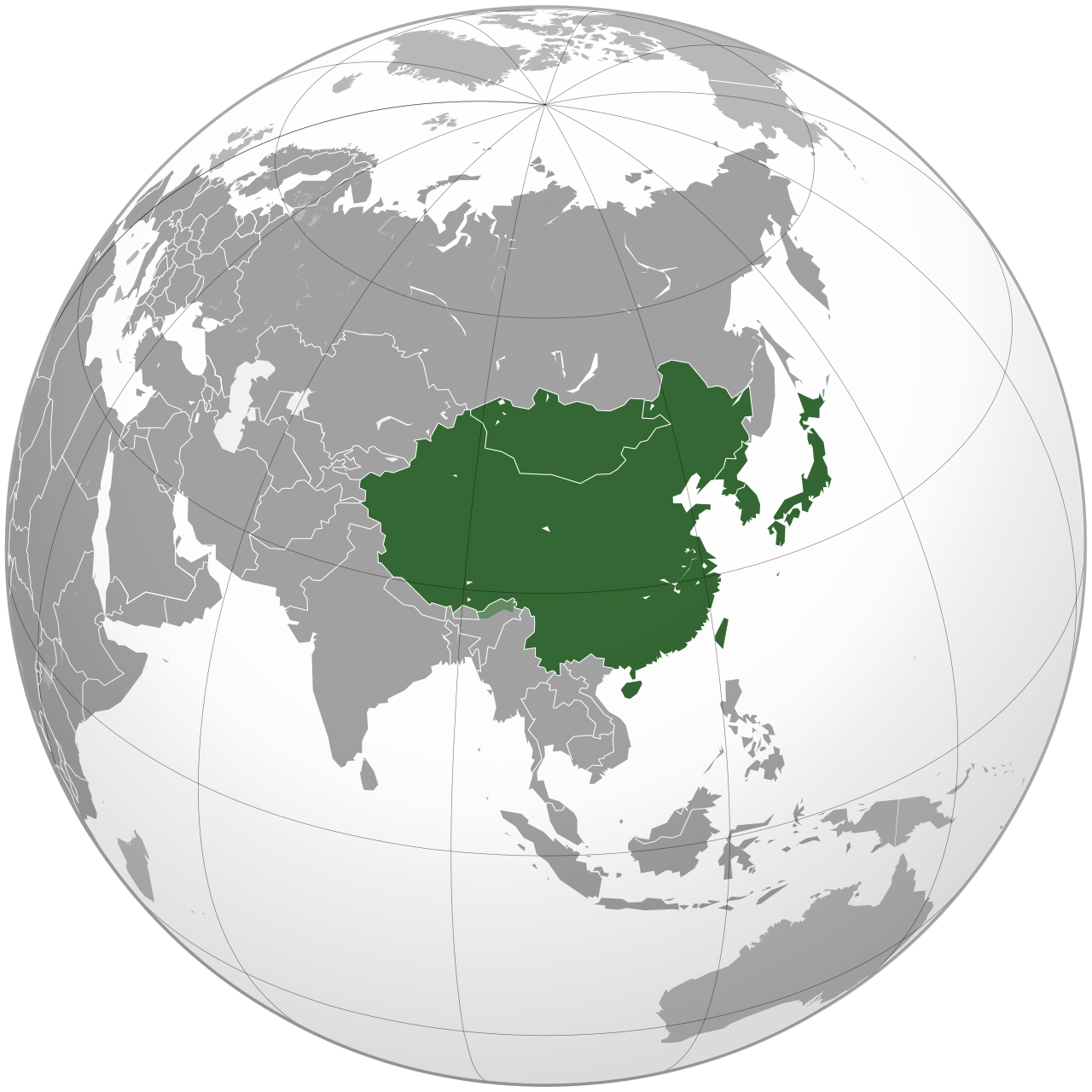
Eastern Asia · Northeast Asia
Shared classical scripts, rice and tea economies, and modern megacity corridors from Seoul to Tokyo to Shanghai.
Milestones in order. This is history, not a weekly activity grid.
Last reviewed Sources & creditsMedia creditsMethodology
Five research punchlines — scan before you dive.
East Asia is treated here as a cultural region — languages, foods, festivals, arts and living histories — not as a biological race. Borders blur; people move; traditions remix.
This guide gathers origin stories, linguistic maps, everyday cuisine, ritual calendars, aesthetic forms and how the region looks in the twenty-first century, including diasporas.
Images lean on Wikimedia Commons where licences allow commercial reuse. Claims prefer dated, checkable history over stereotypes.
Shang and contemporary polities shape ritual bronze and early writing.
Imperial China sets a bureaucratic template that radiates outward.
Korean peninsula consolidates under one kingdom after long Three Kingdoms rivalry.
Court culture in Kyoto crystallizes classical Japanese arts and literature.
Commercial revolution, print, and civil exams deepen a shared scholarly world.
Mongol rule links East Asia into wider Eurasian networks.
Japanese invasions of Korea remake regional military and cultural memory.
Japan industrializes first among East Asian states.
Occupation, liberation, and the Korean War freeze new borders.
Seoul, Tokyo, Shanghai and Shenzhen become global innovation hubs.
Early settlements, states and exchange networks that shaped East Asia.
Long before modern passports, people in this region farmed, herded, traded and built cities under climates that still shape diet and festival timing.
Archaeology, linguistics and written chronicles disagree on details; this section favors widely attested milestones over nationalist myth alone — while noting when myth itself is culturally important.
Language families, scripts and everyday multilingualism in East Asia.
Speech is one of the strongest everyday markers of belonging here, yet multilingualism is normal in markets, schools and ritual life.
Scripts may be shared across political borders while pronunciation and slang stay local — a reminder that maps of states and maps of tongues rarely match.
Staples, techniques and social meals across East Asia.
Cuisine here is technology: fermentation, fire management, preservation for lean seasons and hospitality rules that say who eats first.
“National dishes” are often recent branding; older patterns are regional, seasonal and tied to class or ritual calendars.
Calendars of celebration, mourning and pilgrimage in East Asia.
Festival time compresses identity: clothing, music and food that may be rare on weekdays return in force.
Lunisolar and liturgical calendars still beat underneath civil dates in much of the region.
Visual, musical and craft traditions associated with East Asia.
Aesthetic systems here — proportion, ornament, silence, improvisation — train the eye and ear from childhood.
Court, folk and pop layers coexist; global media remixes them without erasing local workshops.
Cities, diaspora and twenty-first-century change in East Asia.
Most people in this cultural orbit now live with smartphones, wage labor and hybrid identities — rural memory included.
Climate stress, migration and platform media are rewriting which traditions stay compulsory and which become optional heritage.
Named figures and living schools — culture as practice, not blood type.
Not a race founder but a curriculum: exams, bureaucracy and moral vocabulary spread through schools across the Sinographic world.
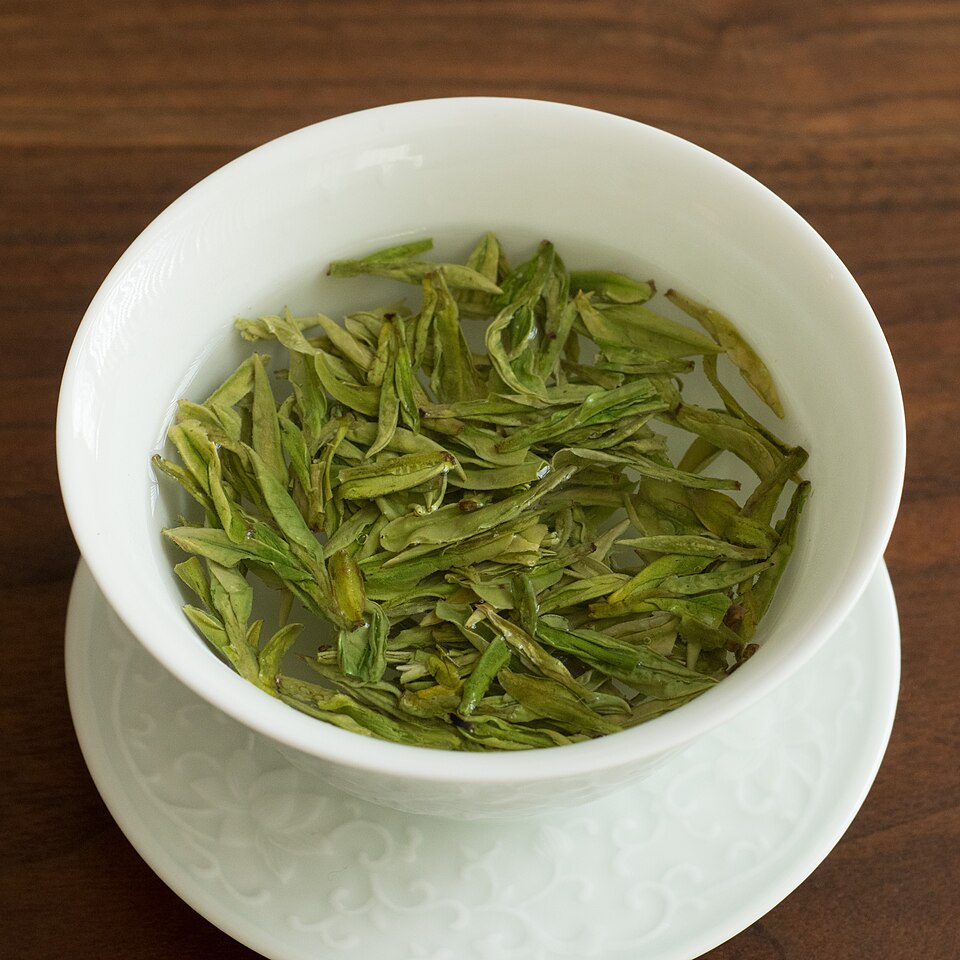
Ritualized tea preparation links Japan, China and diaspora communities — mastery through apprenticeship, not ancestry.
Seoul's idol factories export choreography and fandom labor globally — soft power as logistics, not genetics.
Temple-like halls in Southeast Asian ports pooled mutual aid, opera and ancestor rites — culture carried by migration.
Scholarly themes rewritten for curious readers — not paywalled jargon, and never a race ranking.
Comparative work on early East Asian farming shows wet-rice systems reshaped labor calendars, settlement density and state capacity — but not in a single “Asian essence.” Different valleys adopted rice, millet and mixed strategies on different clocks.
Takeaway Agriculture explains institutions better than racial stereotypes ever did.
Scholarship on the Chinese-character cultural sphere maps how Korea, Japan and Vietnam borrowed, reformed or abandoned the script for local languages. Literacy tech traveled; genes did not have to.
Takeaway Shared writing tools are cultural infrastructure, not kinship.
Historians treat Confucian classics as tools of bureaucracy and moral claim-making that states remixed for local needs, rather than a timeless national soul.
Takeaway Ideas move through schools and exams more than through “blood.”
Stylistic chains in bronzes and ceramics track workshops and prestige gifts across the Yellow Sea and inland routes, revealing elite networks.
Takeaway Objects name contact; they do not rank civilizations.
Twentieth-century nation-building projects flattened multi-lingual empires into textbook “peoples,” a process scholars document as invented tradition rather than ancient purity.
Takeaway Today’s culture pages should remember how recent some labels are.
Books, reviews and museum trails — starting points, not a syllabus.
Multi-volume reference tracing political and material culture from early states through empire — useful for seeing how "East Asia" was built, not born.
Essays on how Chinese characters, Buddhism and trade linked Korea, Japan and Vietnam without implying one biological people.
Rotating shows on ceramics, calligraphy and contemporary art that treat the region as networked practice rather than civilizational ladder.
Michael Wood walks through villages, texts and archaeology — good antidote to textbook "5,000 years uninterrupted" slogans.
Technical but readable agronomy history showing how wet-rice systems reshaped labor and settlement differently in each valley.

No. The label groups many communities that share historical contact, trade or aesthetic exchange. Local identities remain primary.
Cultures are not sports teams. This atlas explains practices and histories without superior/inferior scores.
Major lingua francas and heritage languages appear together; minority tongues are named where they structure identity.
Through staples, techniques and social meals — not tourist clichés alone — with note of regional variation.
As lived practice and festival calendars, without treating any faith as a racial essence.
State borders and conflicts appear when they shaped culture; the page is not a news wire.
Yes. Overseas communities often conserve and reinvent tradition; they appear in the Today section.
Wikipedia article titles resolve to Commons files with reusable licences; attribution lives on the credits page.