Side by side
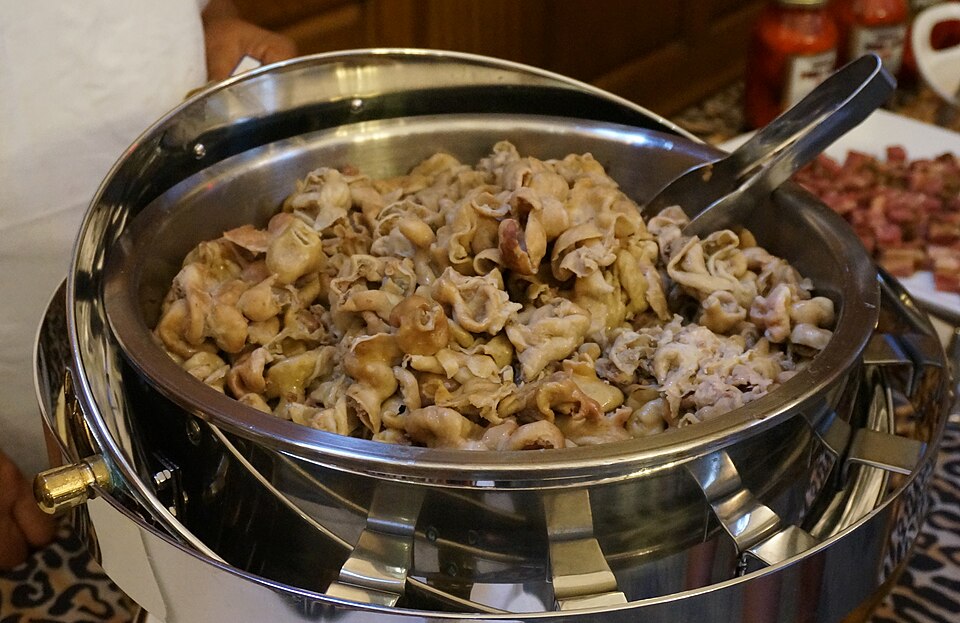
Small intestine
Gopchang · tripas · コプチャン
Small intestine. The milky fat packed inside is called gop in Korean, and the cut takes its name from it. That fat melting on the grill is the whole point — scraped-clean intestine is an empty name. Narrower and less oily than the large intestine beside it.
Plump pieces stuffed with fat. Thin and translucent means the gop is already gone.
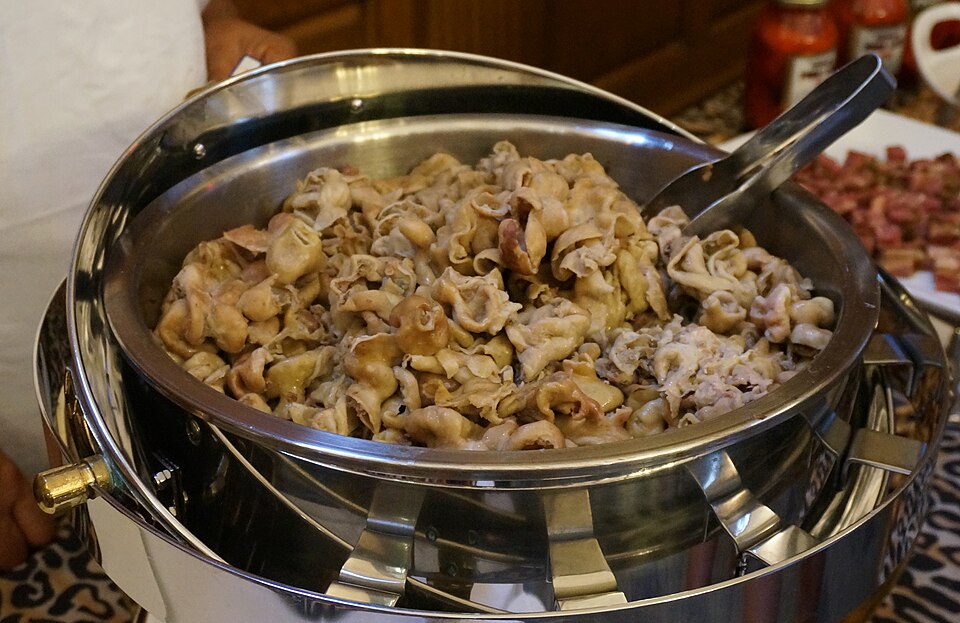
Large intestine
Daechang · chitterlings · シマチョウ
Large intestine. Instead of the milky gop of the small intestine it carries a thick fat sheet that butchers fold inward, so oil keeps rendering the whole time it cooks. The fattiest 100 g in this atlas — a few pieces are a serving.
Fat folded in evenly. A lump on one side will scorch while the rest stays pale.
Which one to buy
- Better forSmall intestine : Large intestine
- GrillingAbout the same95 : 92
- Hot potSmall intestine86 : 74
- Stir-frySmall intestine80 : 68
Other comparisons
All cuts
Beef Primals
Chicken Portions
Bluefin Tuna Cuts
Temperatures are guidance for whole-muscle cuts. Ground meat and poultry need 71°C / 160°F throughout.