Side by side
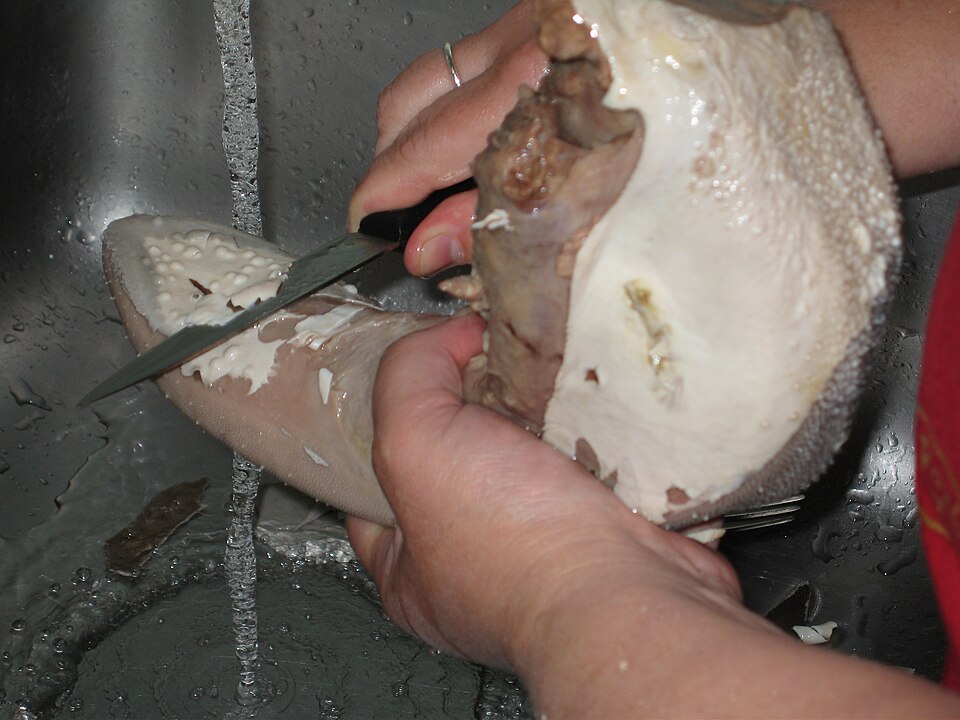
Tongue
Beef tongue · lengua · タン
A muscle the animal works every day of its life, so the grain is dense and the fat is laced through rather than layered on top. Peel the skin and the meat underneath is surprisingly fine; the root carries more fat than the tip, so the same tongue tastes different front to back. Thin-sliced and grilled it stays springy; simmered whole it turns soft.
Look for a pink cross-section with tight grain. A grey cast means it has been sitting.
Heart
Beef heart · corazón · ハツ
A muscle that never rests, fine-grained and firm, with almost none of the off-notes that put people off other organs. Low in fat and frank in chew, it eats closer to a dense steak than to classic offal — which is why it is often the gateway cut for hesitant eaters.
Choose pieces trimmed of blood clots and white tendon, with a surface that is not slimy.
Which one to buy
- Better forTongue : Heart
- GrillingAbout the same92 : 90
- Boiled & slicedTongue80 : —
- BraisingTongue60 : —
- SkewersHeart— : 82
- Stir-fryHeart— : 66
Other comparisons
All cuts
Beef Primals
Chicken Portions
Bluefin Tuna Cuts
Temperatures are guidance for whole-muscle cuts. Ground meat and poultry need 71°C / 160°F throughout.