指标浓度格子越深,表示该主题在这项指标上越高。
强度80
耐热96
火灾性能94
隔热46
加工性22
循环性44
低高
每根柱是该主题的0-100图鉴分,不是时间轴。
强度80
耐热96
火灾性能94
隔热46
加工性22
循环性44
火灾耐热规格强度80
耐热96
火灾性能94
隔热46
加工性22
循环性44
年表按时间排列的节点,不是每周活动格。
- 能斯特怒视/火花
- 氧化铝火花塞
- Schröter WC-Co
- 氮化硅研究
- PSZ氧化锆
- 陶瓷髋关节头
- 待定YSZ
- 碳化硅器件
- 陶瓷基复合材料
- 固态电解质陶瓷
约7分钟
防火角色或隔热角色
选择本材料页上已有的防火性能读数,或隔热读数。教学分数,不是规格。
只用图集分数与本页事实。真实墙体或服装由具名产品试验、厚度与构造决定。无实验室印章。
打开比较实验室
速览
Al2O3、ZrO2、SiC星
A1、极限T火灾
AlN 高 / TBC 氧化锆 低K
无产量脆性
火花塞/TBC图标
陶瓷与木材家族
工程陶瓷是本图鉴32种材料之一,归入陶瓷与木材。历史、结构、物性、工艺、用途、安全、市场——不是产品目录。
分数在强度、耐热、火灾行为、隔热、加工性、循环上把工程陶瓷与其余材料比较。是编辑相对分,不是证书。
七章随后。火灾与隔热主张点名 Euroclass、ASTM E84、ISO 5660、KS F 等试验族,不发明单一安全数字。
深入阅读
深入阅读:工程陶瓷
技术陶瓷(Al2O3、ZrO2、SiC、Si3N4…)是一系列牌号,其密度为 3.2–6 g/cm3 级,热带通常 >2000 °C,防火字母 A1。
这种材料实际是什么
技术陶瓷按等级出售,而不是作为单一物质出售。化学成分 Al2O3、ZrO2、SiC、Si3N4…,密度 3.2–6 g/cm3 级,热带通常 >2000 °C。
该图集将技术陶瓷视为一个系统:铣削路线、涂层、测试及其所在的型腔。
热、火灾与隔热
电导率注:Al2O3 ~20–30;氮化铝较高; ZrO2低。绝缘得分 46/100 与 32 个条目相关——金属失败,VIP 和气凝胶获胜。
编辑使用的火信:A1。不要将 A1 等同于“火灾中安全”或将 E 等同于“非法”。大会决定。
如何制造与使用
起源:20世纪。火花塞/二战碳化物,德国/美国/日本。工艺章节遵循原料→转化→成型→完成→安装。
使用跨度建筑物来防御/安全。配对很重要:玻璃。
市场与循环
下面的制作人是地标,不是代言排名。价格是区间价格,而不是实时报价。
圆度标记 44/100。询问哪个废品、哪个证书、哪一年。
防火角色或隔热角色
选择本材料页上已有的防火性能读数,或隔热读数。教学分数,不是规格。
只用图集分数与本页事实。真实墙体或服装由具名产品试验、厚度与构造决定。无实验室印章。
先看防火分还是保温分
工程陶瓷决策示例:防火94、保温46与一条已发表事实 — 非规范认证。
- 读防火表现分 — 防火94/100 — 图谱教学比较。
- 读保温分 — 保温46/100 — 热流问题。
- 放一条已发表事实 — 快览事实:星: Al2O3、ZrO2、SiC。
- 可持续≠跳过防火 — 高可持续分不能替代真实装配的防火。
- 非建筑规范评级 — 命名试验、厚度与体系才决定合规。
工程陶瓷:防火94与保温46回答不同问题;星: Al2O3、ZrO2、SiC锚定一处细节。
编辑标记。非规范证书。
先看耐热分还是热学事实
工程陶瓷第二轮实验室决策:耐热96与已发表热学事实电导率 — 非规范认证。
- 读耐热分 — 耐热96/100 — 与防火/保温对不同的热问题。
- 放一条热学事实 — 物性章列有电导率。
- 耐热≠跳过防火 — 高耐热不能替代真实装配的命名防火试验。
- 非建筑规范评级 — 厚度、体系与命名试验才决定合规。
工程陶瓷:耐热96与电导率是防火/保温之后的热/安全第二读。
编辑标记。非规范证书。
常见问题
技术陶瓷是不可燃的吗?
本图谱中声明的反应等级:A1。组件仍需要电阻测试。
技术陶瓷可以绝缘吗?
热标记 46/100 与图集相比。电导率注:Al2O3 ~20–30;氮化铝较高; ZrO2低。
什么是密度带?
3.2–6克/立方厘米级
它是如何制作的?
起源故事:20世纪。火花塞/二战碳化物(德国/美国/日本)。
可以回收吗?
循环标记 44/100 — 编辑性、特定路线。
典型的熔化或失效热?
通常 >2000 °C
应该与什么搭配呢?
玻璃:非晶硅酸盐与结晶工程体。
哪里指定的?
建筑、交通、能源和消费品——参见用途章节。
防火性能分是建筑规范等级吗?
不是。这是本图谱材料之间的 0–100 编辑教学分。真实墙体或服装需要具名产品试验、厚度与构造。本页不是实验室印章。
什么时候该读隔热而不是防火?
问题是热流——衬里、阁楼或冷桥——时选隔热;问题是同一材料在火焰中如何表现时选防火。两个数字都已在本枢纽上,职责不同。
可持续性分高就可以不做防火吗?
不可以。这里的可持续性是生长、回用与隐含故事的相对标记。竹与木材仍会像木头一样炭化。防火仍是单独规格。
为什么有些语言没有竹?
只有七章都是该语言的真实正文时才开放语言网址。竹现有英语、韩语、日语、中文和西班牙语。法、德、葡、俄语保持不下线——先前机器稿泄漏了英语,因此这些网址不开放。
图标
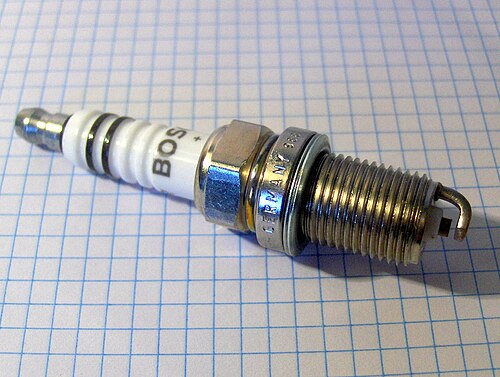
火花塞绝缘体
全球的 · 1920 年代–
火花塞绝缘体是技术陶瓷公众形象中的一个参考点。
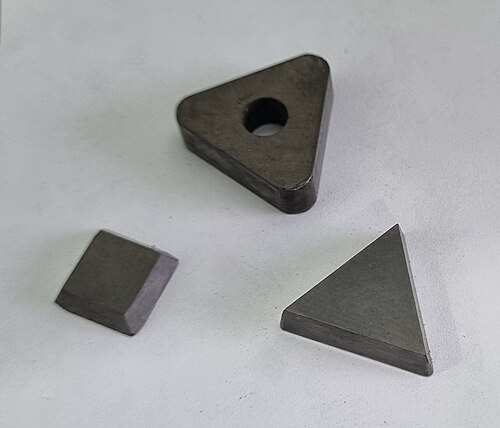
WC-Co 刀片
德国 · 1920 年代–
WC-Co 镶件是技术陶瓷公众形象的参考点。
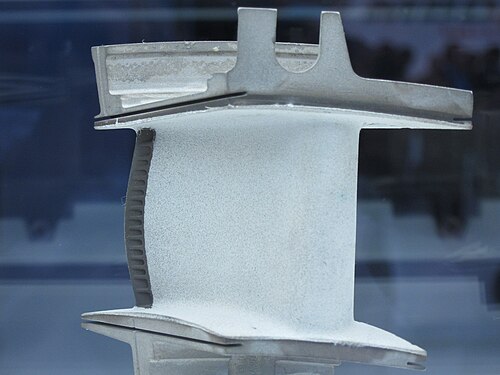
YSZ 待定
全球的 · 20世纪90年代–
YSZ TBC是技术陶瓷公众形象的一个参考点。
4
氧化铝髋关节
欧洲 · 20 世纪 70 年代–
氧化铝髋关节是技术陶瓷公众形象的一个参考点。
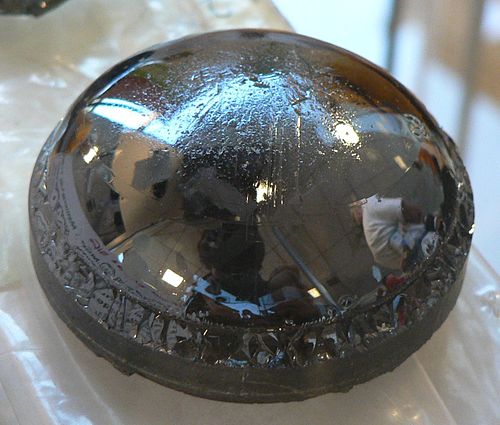
碳化硅MOSFET
全球的 · 2010年代–
SiC MOSFET 是技术陶瓷公众形象中的一个参考点。
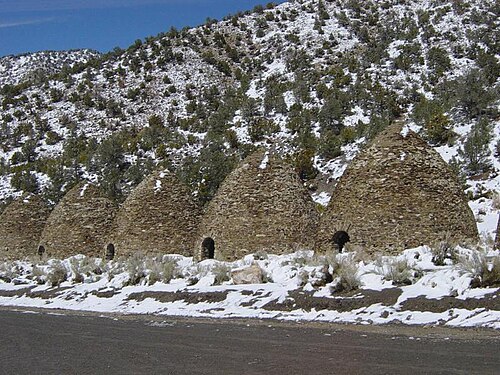
窑具
中国/英国 · 历史性
窑具是技术陶瓷公众形象的一个参考点。
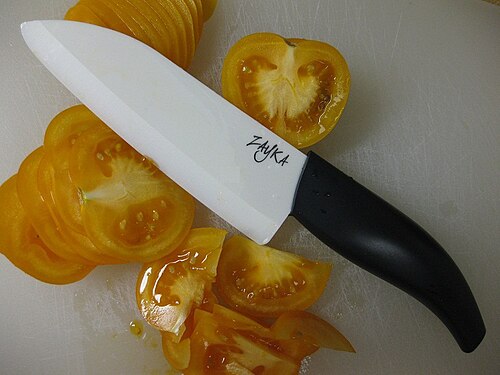
陶瓷刀
日本 · 20 世纪 80 年代–
陶瓷刀是技术陶瓷公众形象的一个参考点。
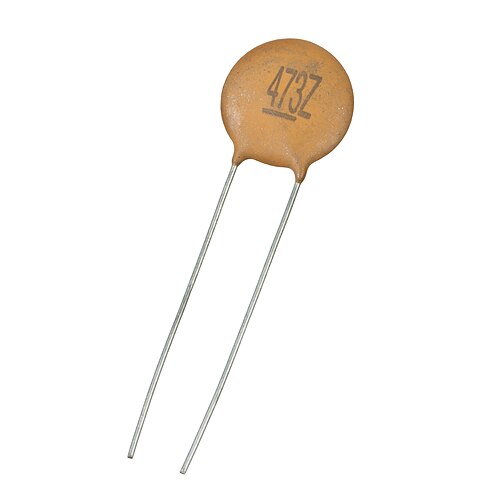
MLCC钛酸钡
日本 · 20世纪50年代–
MLCC 钛酸钡是技术陶瓷公众形象的参考点。
开关图标后,柱会按所选集合的领先者重新缩放。
5 / 8
相近材料
六轴上最近的邻居 — 强度、耐热、火灾、隔热、加工性、循环性。