指标浓度格子越深,表示该主题在这项指标上越高。
强度58
耐热42
火灾性能24
隔热50
加工性88
循环性34
低高
每根柱是该主题的0-100图鉴分,不是时间轴。
强度58
耐热42
火灾性能24
隔热50
加工性88
循环性34
火灾耐热规格强度58
耐热42
火灾性能24
隔热50
加工性88
循环性34
年表按时间排列的节点,不是每周活动格。
- 卡罗瑟酯
- 涤纶
- 涤纶
- 洗即穿
- 双面针织碰撞
- 瓶子到纤维
- 超细纤维绒
- 海洋微纤维纸
- 阳离子可染PET
- 化学品回收试点
约7分钟
防火角色或隔热角色
选择本材料页上已有的防火性能读数,或隔热读数。教学分数,不是规格。
只用图集分数与本页事实。真实墙体或服装由具名产品试验、厚度与构造决定。无实验室印章。
打开比较实验室
速览
宠物树脂
〜255°C温度
熔滴火灾
涤纶/涤纶图标
超细纤维问题
织物家族
聚酯是本图鉴32种材料之一,归入织物。历史、结构、物性、工艺、用途、安全、市场——不是产品目录。
分数在强度、耐热、火灾行为、隔热、加工性、循环上把聚酯与其余材料比较。是编辑相对分,不是证书。
七章随后。火灾与隔热主张点名 Euroclass、ASTM E84、ISO 5660、KS F 等试验族,不发明单一安全数字。
深入阅读
深入阅读:聚酯
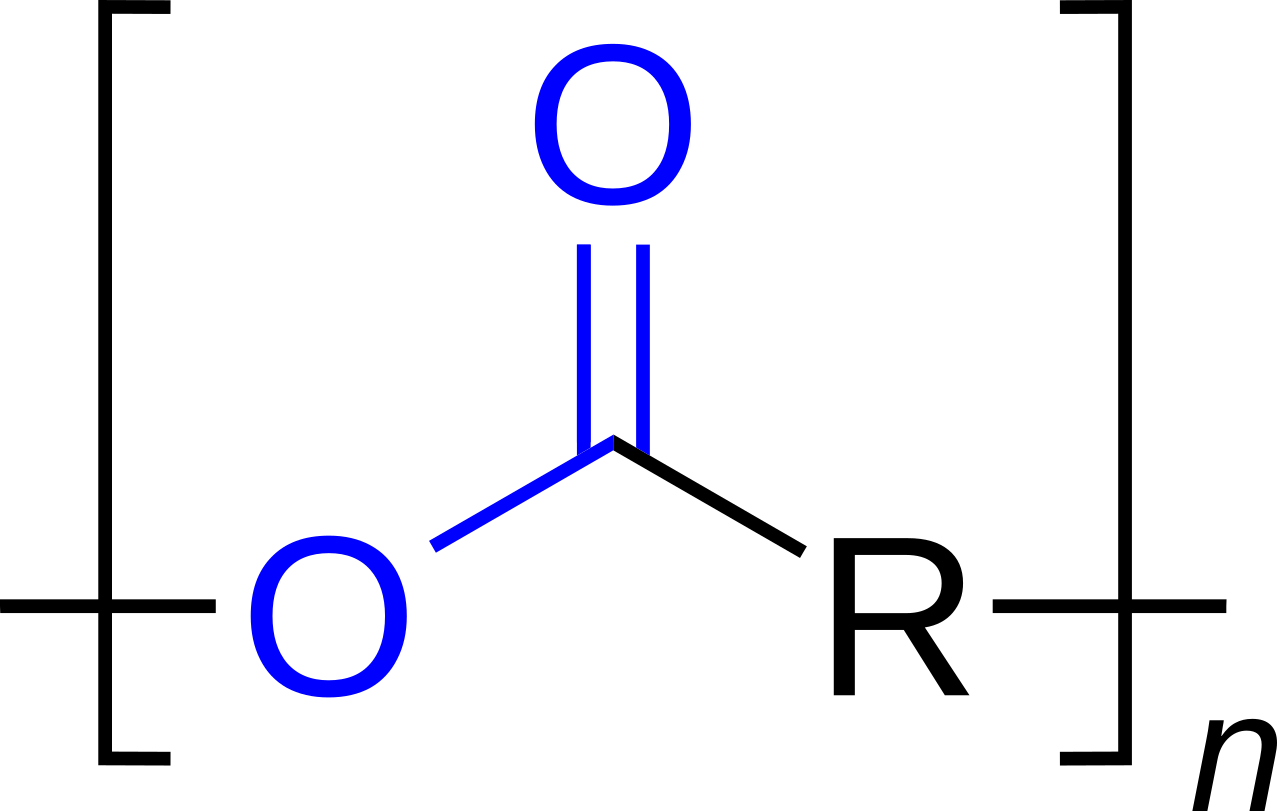
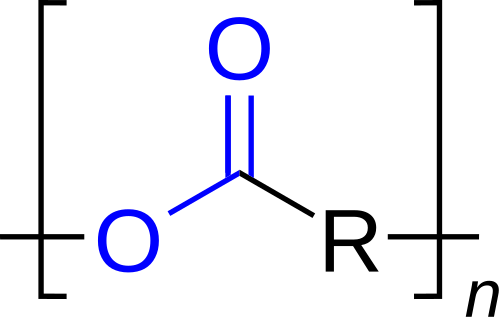
聚酯 ((C10H8O4)n PET) 是一系列牌号,其密度约为 1.38 g/cm3,热带约为 250–260 °C,防火字母会熔化并滴落,除非 FR。
这种材料实际是什么
聚酯按等级出售,而不是作为单一物质出售。化学成分 (C10H8O4)n PET,密度 ~1.38 g/cm3,热带 ~250–260 °C。
该图集将聚酯视为一个系统:工厂路线、涂层、测试及其所在的型腔。
热、火灾与隔热
电导率备注:低固;织物会滞留空气。绝缘得分 50/100 与 32 个条目相关 - 金属失败,VIP 和气凝胶获胜。
编辑用途中的火信:除非FR,否则会融化并滴落。不要将 A1 等同于“火灾中安全”或将 E 等同于“非法”。大会决定。
如何制造与使用
产地:Whinfield & Dickson 1941 / 杜邦涤纶,英国/美国。工艺章节遵循原料→转化→成型→完成→安装。
使用跨度建筑物来防御/安全。配对很重要:尼龙。
市场与循环
下面的制作人是地标,不是代言排名。价格是区间价格,而不是实时报价。
圆度标记 34/100。询问哪个废品、哪个证书、哪一年。
防火角色或隔热角色
选择本材料页上已有的防火性能读数,或隔热读数。教学分数,不是规格。
只用图集分数与本页事实。真实墙体或服装由具名产品试验、厚度与构造决定。无实验室印章。
先看防火分还是保温分
聚酯决策示例:防火24、保温50与一条已发表事实 — 非规范认证。
- 读防火表现分 — 防火24/100 — 图谱教学比较。
- 读保温分 — 保温50/100 — 热流问题。
- 放一条已发表事实 — 快览事实:树脂: 宠物。
- 可持续≠跳过防火 — 高可持续分不能替代真实装配的防火。
- 非建筑规范评级 — 命名试验、厚度与体系才决定合规。
聚酯:防火24与保温50回答不同问题;树脂: 宠物锚定一处细节。
编辑标记。非规范证书。
先看耐热分还是热学事实
聚酯第二轮实验室决策:耐热42与已发表热学事实电导率 — 非规范认证。
- 读耐热分 — 耐热42/100 — 与防火/保温对不同的热问题。
- 放一条热学事实 — 物性章列有电导率。
- 耐热≠跳过防火 — 高耐热不能替代真实装配的命名防火试验。
- 非建筑规范评级 — 厚度、体系与命名试验才决定合规。
聚酯:耐热42与电导率是防火/保温之后的热/安全第二读。
编辑标记。非规范证书。
常见问题
聚酯纤维不燃吗?
本图集中声明的反应类别:除非 FR,否则会熔化并滴落。组件仍需要电阻测试。
聚酯纤维有绝缘作用吗?
热标记 50/100 与图集相比。电导率备注:低固;织物会滞留空气。
什么是密度带?
~1.38 克/立方厘米
它是如何制作的?
起源故事:Whinfield & Dickson 1941 / 杜邦涤纶(英国/美国)。
可以回收吗?
循环标记 34/100 — 编辑性、特定路线。
典型的熔化或失效热?
〜250–260°C
应该与什么搭配呢?
尼龙:聚酰胺的竞争对手:更坚韧的湿性,不同的染料等级。
哪里指定的?
建筑、交通、能源和消费品——参见用途章节。
防火性能分是建筑规范等级吗?
不是。这是本图谱材料之间的 0–100 编辑教学分。真实墙体或服装需要具名产品试验、厚度与构造。本页不是实验室印章。
什么时候该读隔热而不是防火?
问题是热流——衬里、阁楼或冷桥——时选隔热;问题是同一材料在火焰中如何表现时选防火。两个数字都已在本枢纽上,职责不同。
可持续性分高就可以不做防火吗?
不可以。这里的可持续性是生长、回用与隐含故事的相对标记。竹与木材仍会像木头一样炭化。防火仍是单独规格。
为什么有些语言没有竹?
只有七章都是该语言的真实正文时才开放语言网址。竹现有英语、韩语、日语、中文和西班牙语。法、德、葡、俄语保持不下线——先前机器稿泄漏了英语,因此这些网址不开放。
图标

涤纶
英国 · 1941–
涤纶是聚酯公众形象的参考点。

涤纶帆布
美国 · 20世纪50年代–
涤纶帆布是涤纶公众形象的一个参考点。
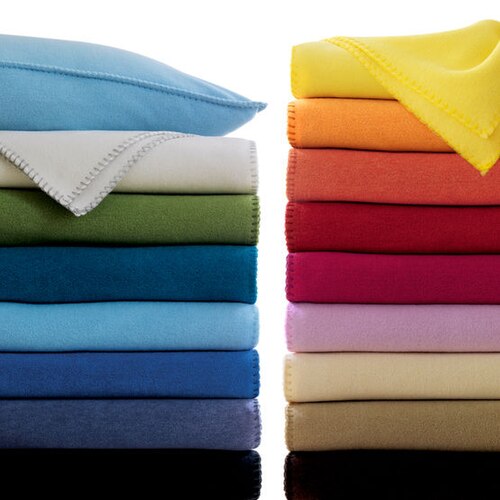
摇粒绒
美国 · 20 世纪 80 年代–
摇粒绒是涤纶公众形象的一个参考点。

聚酯瓶
美国 · 1973–
PET 瓶是聚酯公众形象的一个参考点。
西装混纺
全球的 · 20 世纪 60 年代–
西装混纺是涤纶公众形象的一个参考点。
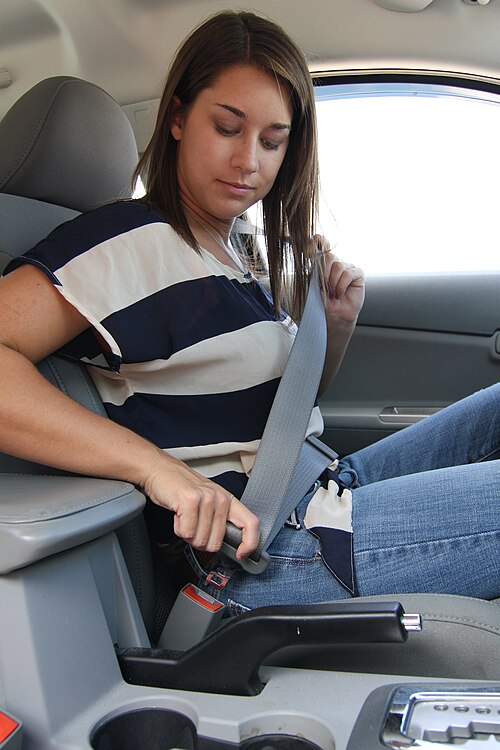
安全带 HT
全球的 · 20 世纪 60 年代–
安全带 HT 是聚酯公众形象的参考点。
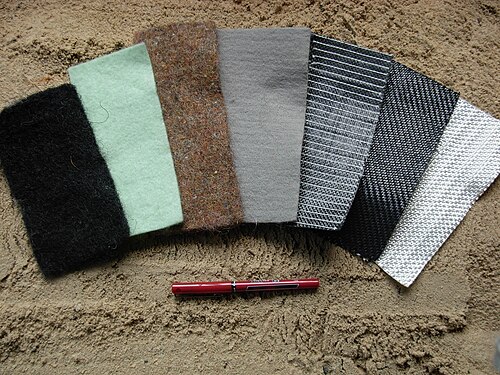
土工布
全球的 · 20 世纪 70 年代–
土工布是聚酯公众形象的参考点。
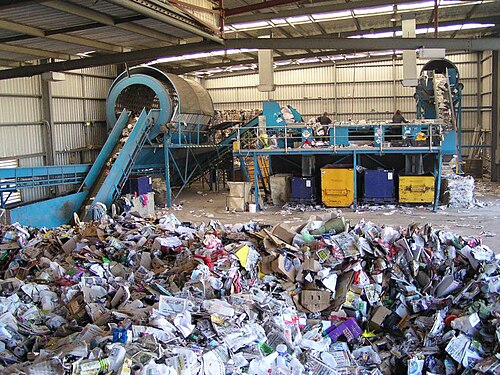
rPET球衣
全球的 · 2000年代–
rPET 球衣是聚酯公众形象的参考点。
开关图标后,柱会按所选集合的领先者重新缩放。
5 / 8
相近材料
六轴上最近的邻居 — 强度、耐热、火灾、隔热、加工性、循环性。