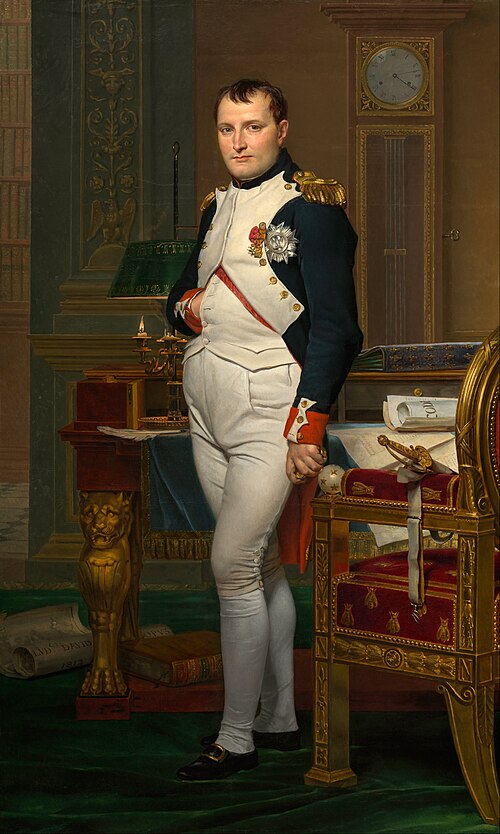
Napoleon
Lost his last set-piece and his throne. The mud-and-Grouchy explanations began in his own circle.
Day
3
End
3
Earlier
3
People and debates around Battle of Waterloo.
Educational history. Casualty figures are documented ranges. This is not operational advice, a ranking of nations, or a how-to for weapons or coups.
Darker cells mean a higher score for this topic on that metric.
LessMore
Last reviewed Sources & creditsMedia creditsMethodology
No. Scores are browsing aids inside an era-bounded atlas — not live league tables of countries.
About 40,000-50,000 killed and wounded is the usual combined band for the day.
No. Blucher's Prussians were decisive in the afternoon. Wellington said as much.
Coalition numbers, a delayed start, failed combined-arms in the centre, and Prussian arrival -- not a single farmhouse.
Second abdication, Allied occupation, St Helena, and Vienna's settlement confirmed.
It was the last battle, near a newspaper city, with a British-led army. Leipzig was larger and less English.
Wellington and Napoleon are the paired portraits. Blucher is the necessary third. Ney is the tragic extra.
Lady Butler's paintings taught more Britons than Clausewitz did.
Lost his last set-piece and his throne. The mud-and-Grouchy explanations began in his own circle.
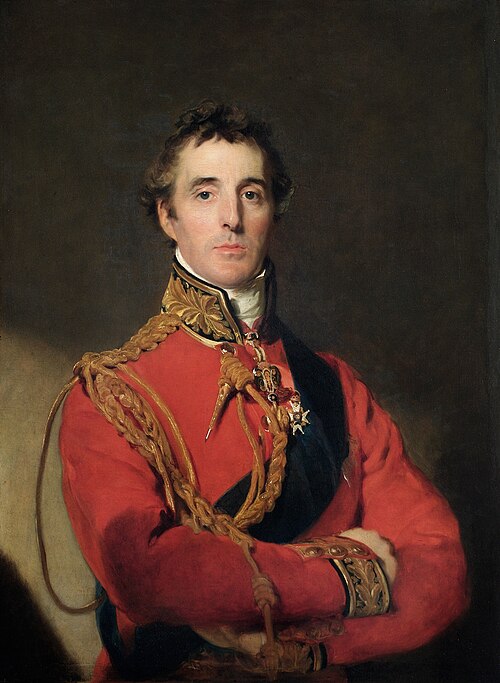
Held the ridge and later the British political right. "Nearest-run thing" is his caption.
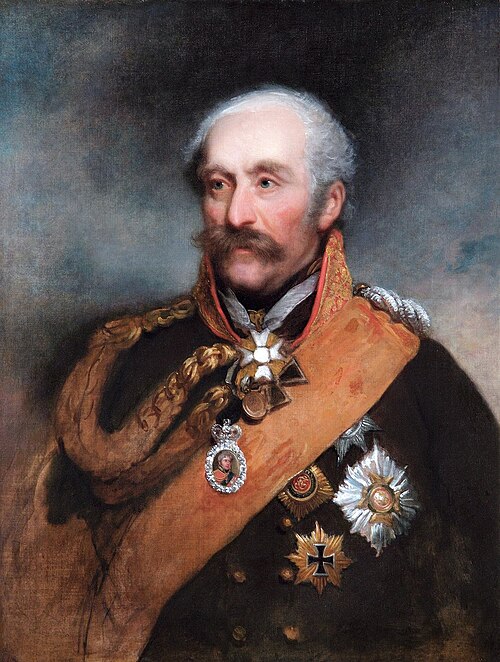
Seventy-two, thrown at Ligny, arrived anyway -- the necessary ally.
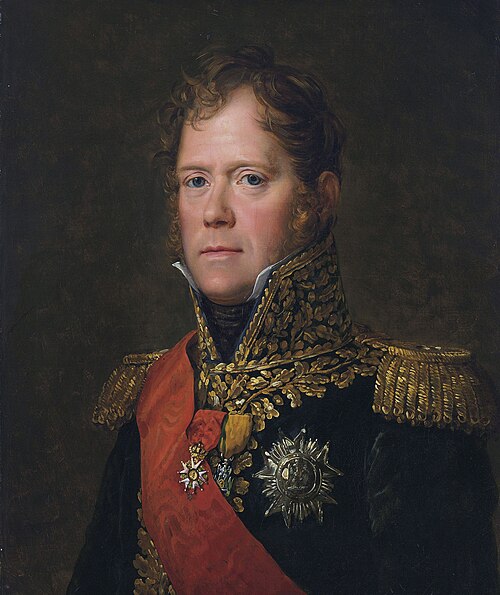
The cavalry charges and a later execution (1815) made him a romantic ruin.
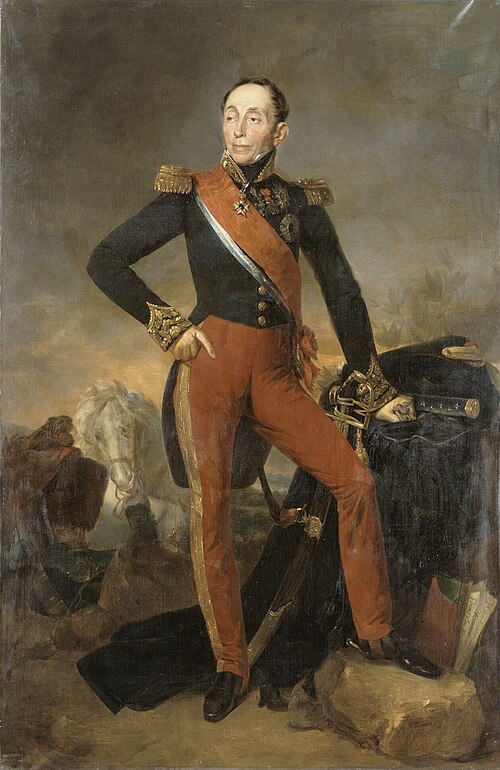
The scapegoat of the missing Prussian chase -- a historiography of blame.
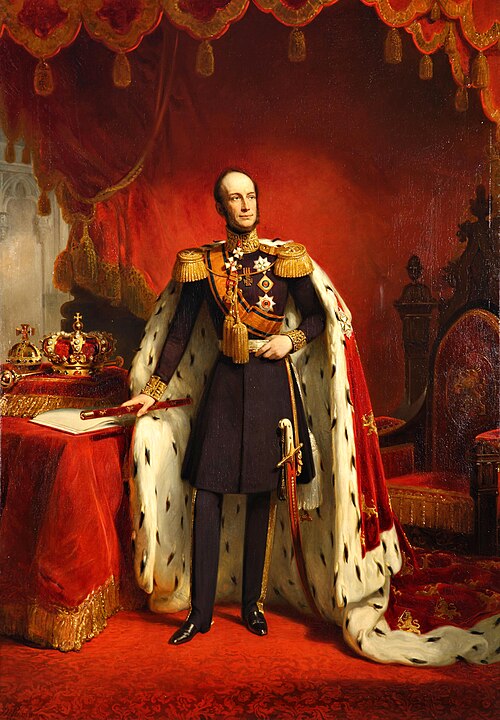
Wounded on the ridge; Dutch-Belgian troops' commander in the allied structure.
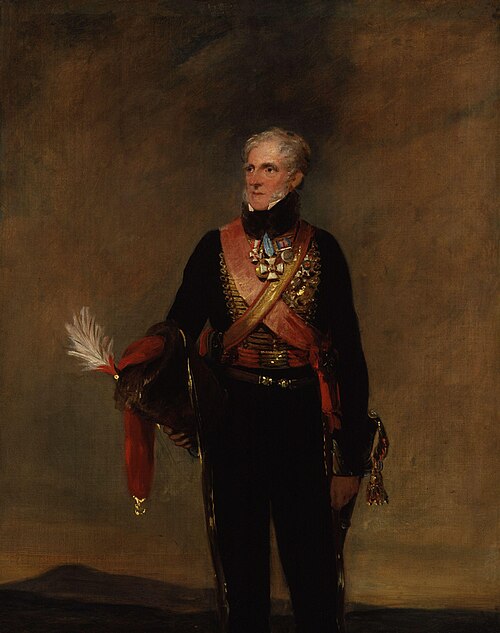
Lost a leg to a cannon shot -- the English anecdote ("By God, sir, I've lost my leg") as memory.
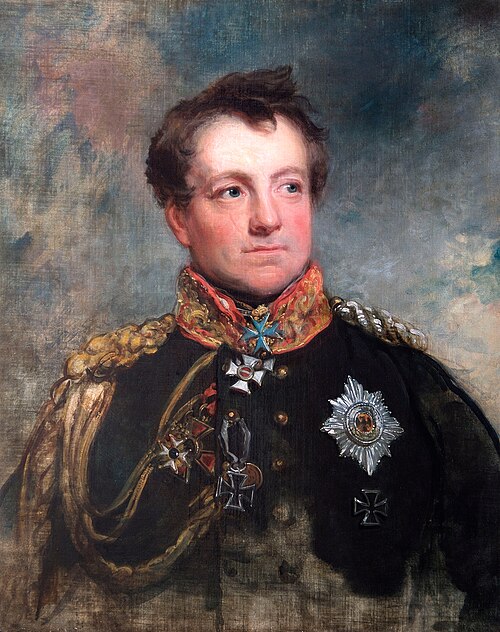
Gneisenau kept the army pointed at Wellington after Ligny -- the professional half of Blucher's legend.
The live counterfactual; most serious answers still need a different morning and a different Ney.
British popular memory vs Prussian historiography -- a settled "both" that popular culture still resists.
The lion mound is an icon that damaged the ridge it marks.
ABBA's song is a memory artefact -- say so when it crowds out Plancenoit.