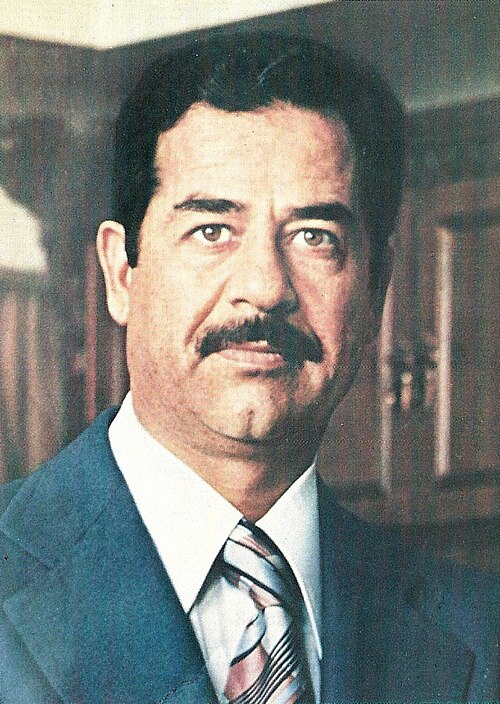
Saddam Hussein
Saddam launched the war, used chemical weapons, and survived 1988 only to gamble on Kuwait in 1990. He was executed in 2006 after a later US-led war.
Invaded
3
Crime
3
Later
3
Saddam, Khomeini, Rafsanjani, UN diplomats and named perpetrators.
Educational history. Casualty figures are documented ranges. This is not operational advice, a ranking of nations, or a how-to for weapons or coups.
Darker cells mean a higher score for this topic on that metric.
LessMore
Last reviewed Sources & creditsMedia creditsMethodology
No. Scores are browsing aids inside an era-bounded atlas — not live league tables of countries.
About 500,000-1 million dead is the usual published band. Iranian military deaths are often put near the higher end of hundreds of thousands; Iraqi deaths are also in the hundreds of thousands. Precision is impossible.
Border and Shatt claims, fear and opportunity after Iran's revolution, and Saddam's bid for Gulf primacy. Most historians treat it as an Iraqi decision, not an accident.
After 1982, Iranian forces fought on Iraqi soil seeking a political end. That choice is central to debates inside Iran about whether the war should have stopped at the border.
Yes. Documented Iraqi use against Iranian troops and against Kurdish civilians (Halabja). This is a historical and legal fact, not a technical discussion.
Iran accepted 598 in 1988 after military setbacks and isolation. A UN-monitored ceasefire followed. Neither side achieved its maximal aims.
Official icons (Khomeini, Saddam) drown out prisoners and tanker sailors in English. Halabja's victims are the civilians who broke through that noise.
UN diplomats are unfashionable icons and were necessary ones.
Saddam launched the war, used chemical weapons, and survived 1988 only to gamble on Kuwait in 1990. He was executed in 2006 after a later US-led war.
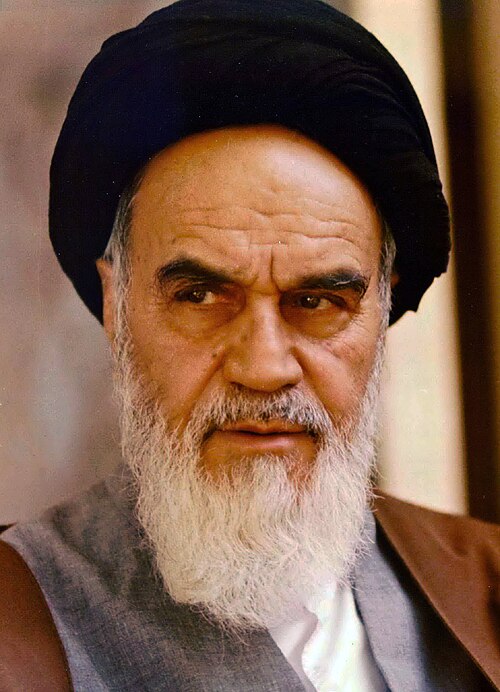
Khomeini framed the war as Sacred Defense and accepted 598 as poison in 1988. He died in 1989, a year after the guns stopped.
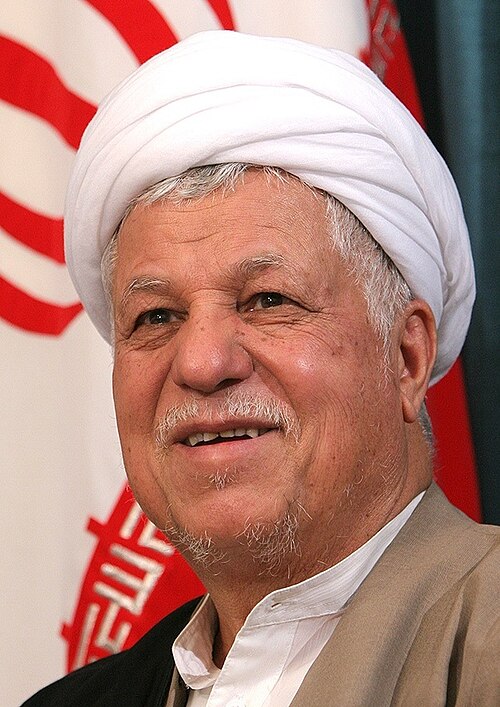
Rafsanjani was central to the late-war decision to accept 598 and to postwar reconstruction politics.
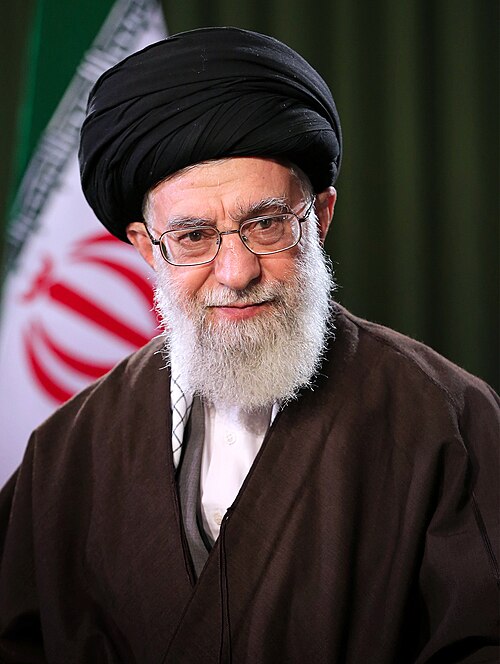
Khamenei was president during the war's second half and later supreme leader -- a continuity of the Sacred Defense generation.
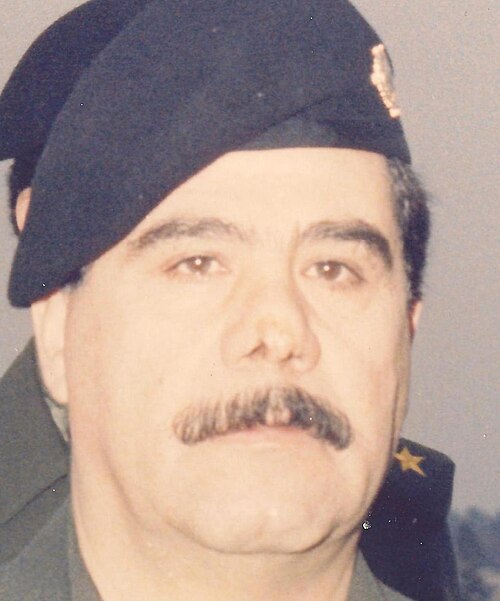
Saddam's cousin and defense minister for much of the war; died in a 1989 helicopter crash -- a Baath elite story of the war machine.
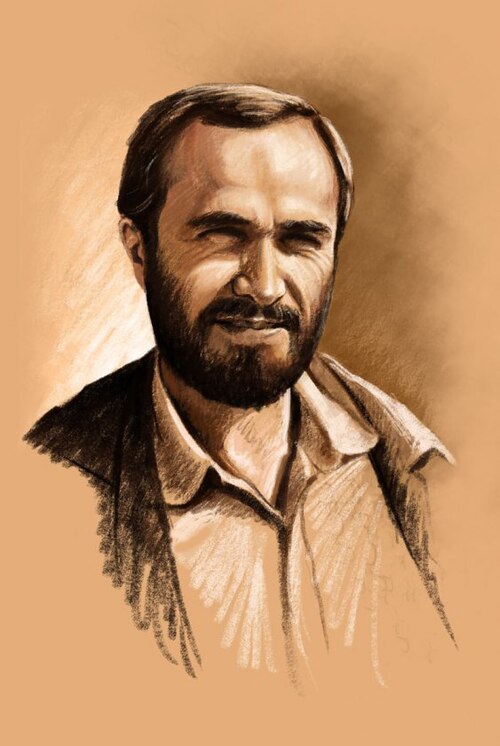
A widely commemorated IRGC commander killed in 1987 -- an Iranian icon of the southern fronts.
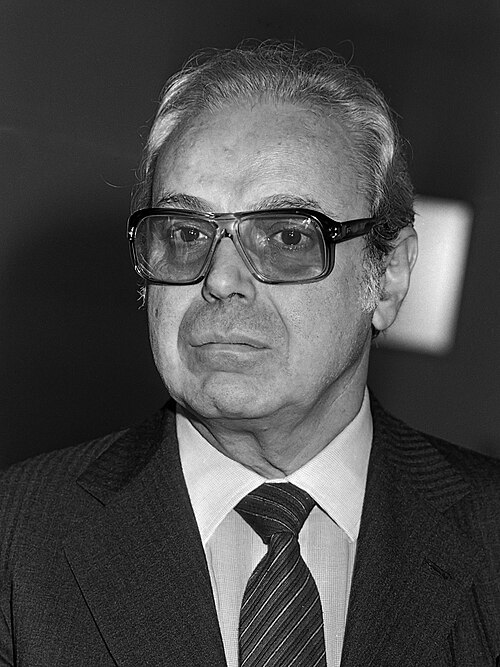
His office midwifed 598 and the ceasefire machinery -- the diplomatic face of an ending without victory.
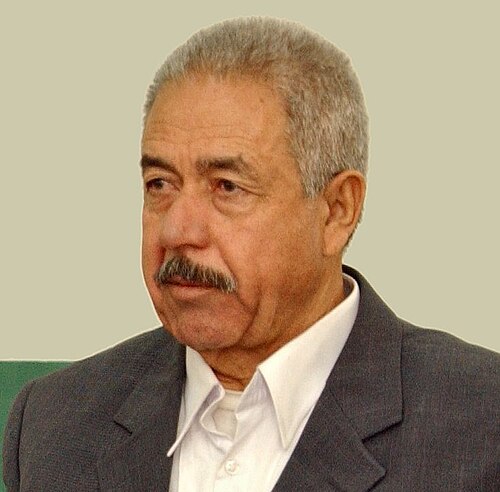
"Chemical Ali" became the name attached to Anfal and Halabja -- later tried and executed. Named here as a perpetrator in the record.
The live argument in Iranian historiography: sacred duty versus a preventable second half of the death list.
It mattered; it did not invent Saddam's invasion. Both sentences belong in the same paragraph.
Iran-Contra made US officials into ironic footnotes of a war they were not supposed to be supplying on both ledgers.
Kurdish witnesses are primary sources, not extras.