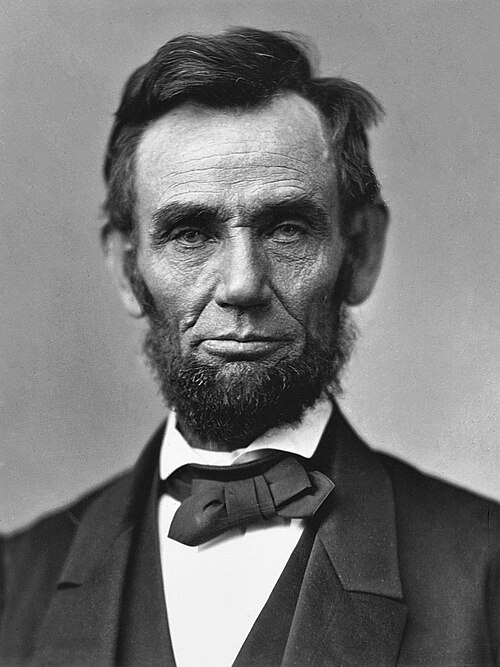
Abraham Lincoln
Lincoln held the Union together, issued emancipation, and was killed five days after Appomattox. His sentences still outrank most generals' memoirs in public memory.
Office
3
Address
3
Died
3
Lincoln, Grant, Lee, Douglass, Sherman, Tubman.
Educational history. Casualty figures are documented ranges. This is not operational advice, a ranking of nations, or a how-to for weapons or coups.
Darker cells mean a higher score for this topic on that metric.
LessMore
Last reviewed Sources & creditsMedia creditsMethodology
No. Scores are browsing aids inside an era-bounded atlas — not live league tables of countries.
About 620,000 was the long-standard military estimate; recent work (Hacker and others) suggests around 750,000, with a published band reaching about 850,000 when some civilian deaths are considered. Disease killed more than combat.
Yes, as the cause of secession. Lincoln's initial public aim was union; emancipation became a war aim in 1862-63. Both facts are true and in sequence.
Population, industry, rail, naval blockade, Black manpower, and -- in 1864-65 -- a coordinated strategy under Grant. Confederate advantages in interior lines and military culture were real and insufficient.
A three-day battle in Pennsylvania (1-3 July 1863) that ended Lee's second northern invasion. Combined with Vicksburg's fall on 4 July, it was the war's political-military hinge -- not the last fighting.
It briefly empowered Black voters and Republican governments in the South, passed the 14th and 15th Amendments, and then collapsed under violence and northern fatigue after 1877.
Lincoln and Lee became a paired American myth; Douglass and Tubman are the necessary third and fourth portraits.
Photographs (Brady, Gardner) made this the first US war with a public corpse.
Lincoln held the Union together, issued emancipation, and was killed five days after Appomattox. His sentences still outrank most generals' memoirs in public memory.
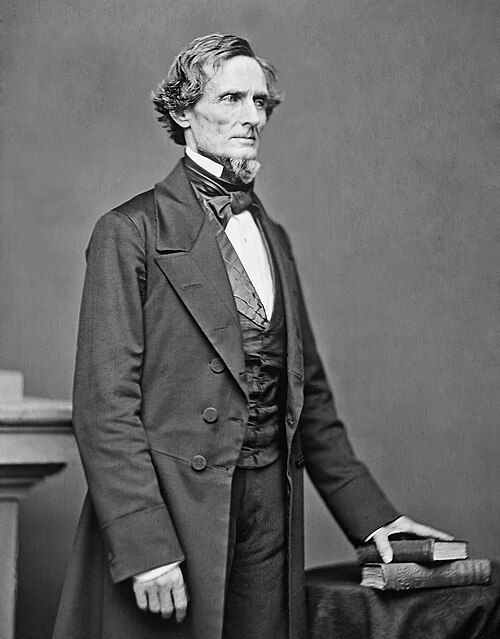
Davis, a former US secretary of war, ran a new state that never solved its states'-rights contradiction. He was captured in 1865 and later became a Lost Cause relic.
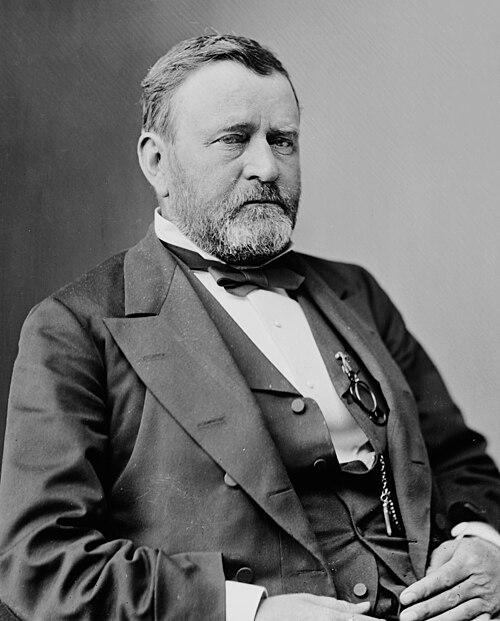
Grant won in the west, then coordinated the 1864-65 war of attrition in Virginia. His presidency (1869-77) is a different, harder story.
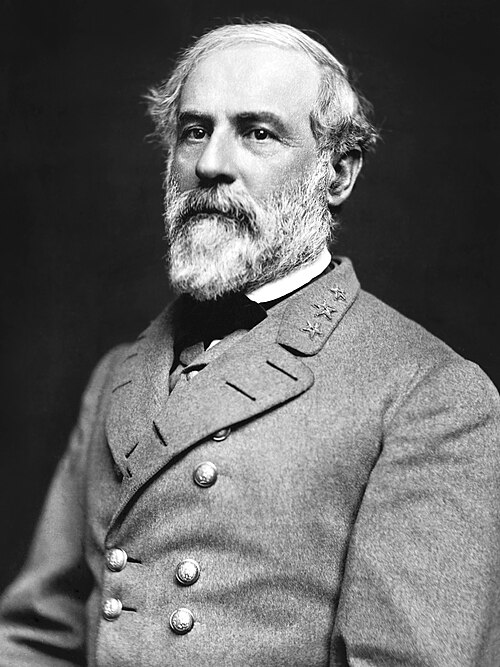
Lee became the Confederate icon -- a brilliant defensive-offensive operator who lost the war and, in memory, almost won the statues. Historians now stress his slaveholding and the cost of his invasions.
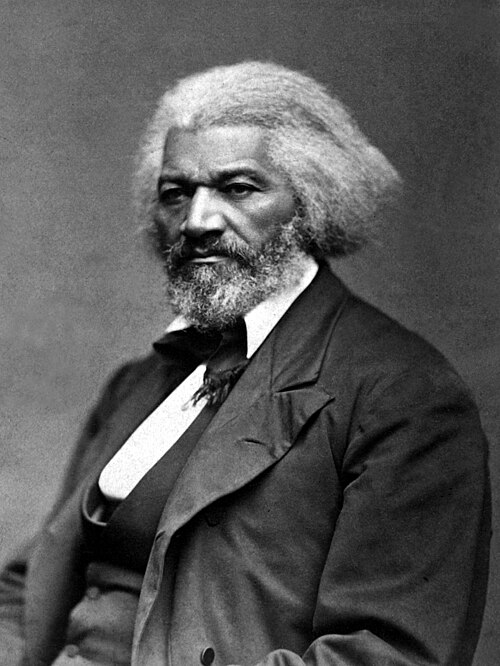
Douglass pressed Lincoln toward emancipation and Black enlistment. His oratory is a primary source for the war's freedom meaning.
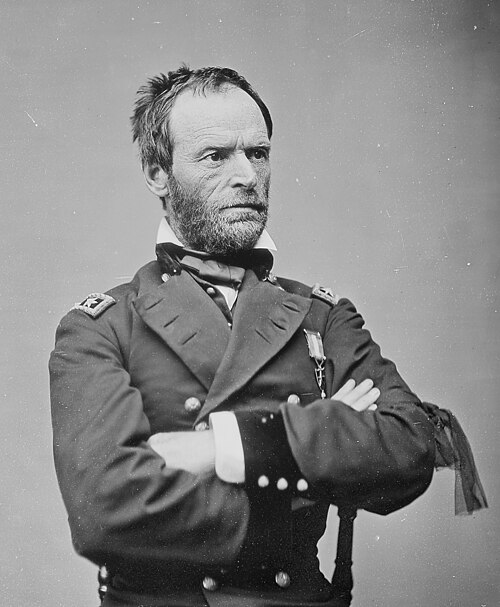
Sherman took Atlanta and marched to Savannah, making war on the Confederate war economy. "War is hell" is the caption; the politics were hard war, not nihilism.
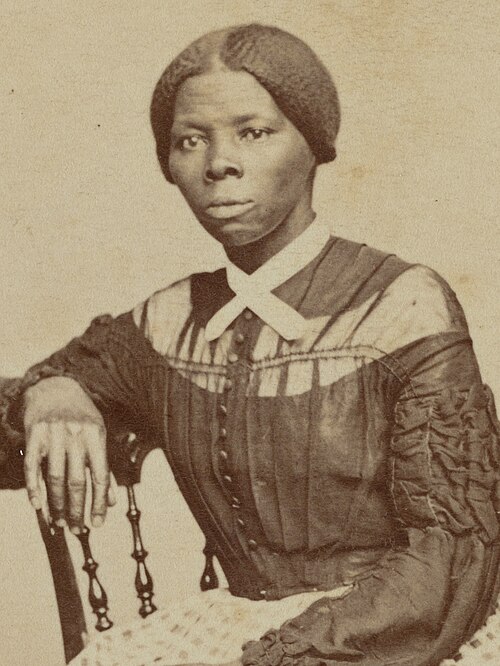
Tubman, already famous for the Underground Railroad, served as a Union scout in the Combahee raid (1863) -- a reminder that the war's icons include people the Lost Cause omitted.
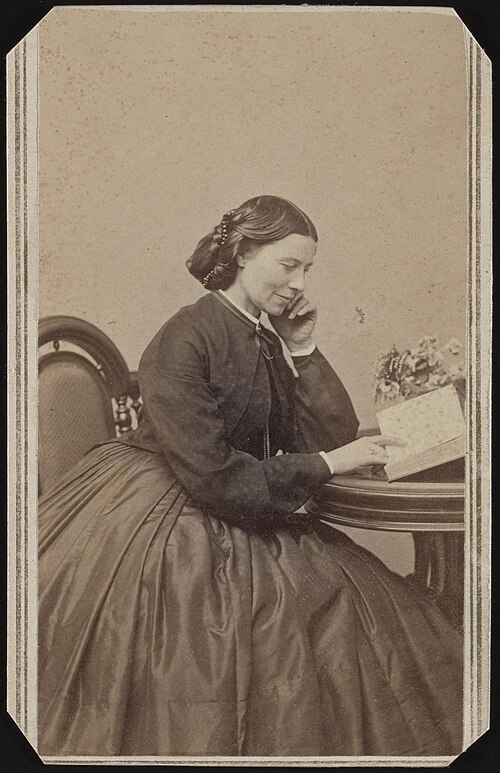
Barton organised battlefield nursing and later founded the American Red Cross -- the war's medical-civilian icon in US schoolbooks.
A durable counterfactual. Most academic answers: only with foreign recognition or a northern political collapse -- neither arrived after emancipation and Atlanta.
Both framings are in use; the 1877 retreat is the hinge everyone names.
Statue removal is about 1890-1920 monument campaigns as much as about 1863.
Ken Burns's sentimental chorus is now itself a historical artefact.