Skip to content

🤾GOAT Rankings

Handball · The fastest scoring team sport on the planet: seven a side, thirty minutes a half, and a goal roughly every ninety seconds.

Handball's greatest-of-all-time argument is unusually tractable, because the sport has a small number of trophies that everyone agrees matter and a single global individual award. Olympic gold, the World Championship, the European Championship and the Champions League are the four that count, and the IHF World Player of the Year, first awarded in 1988, is the closest thing to a Ballon d'Or. The complication is positional: a goalkeeper's contribution and a left back's are almost impossible to compare directly, and the sport's greatest pivot spent his career doing things that do not appear on any scoresheet.

This ranking weighs four things: peak level, sustained excellence, what the player won and how central they were to winning it, and influence on how the position is played. It covers the men's and women's games together, because they share rules, competitions and a governing body. The list is inevitably European-heavy, which reflects where the sport's elite has always been, and it deliberately includes players whose national teams never won anything - the single most contested judgement in handball, and the reason Cristina Neagu appears this high.

All-time podium

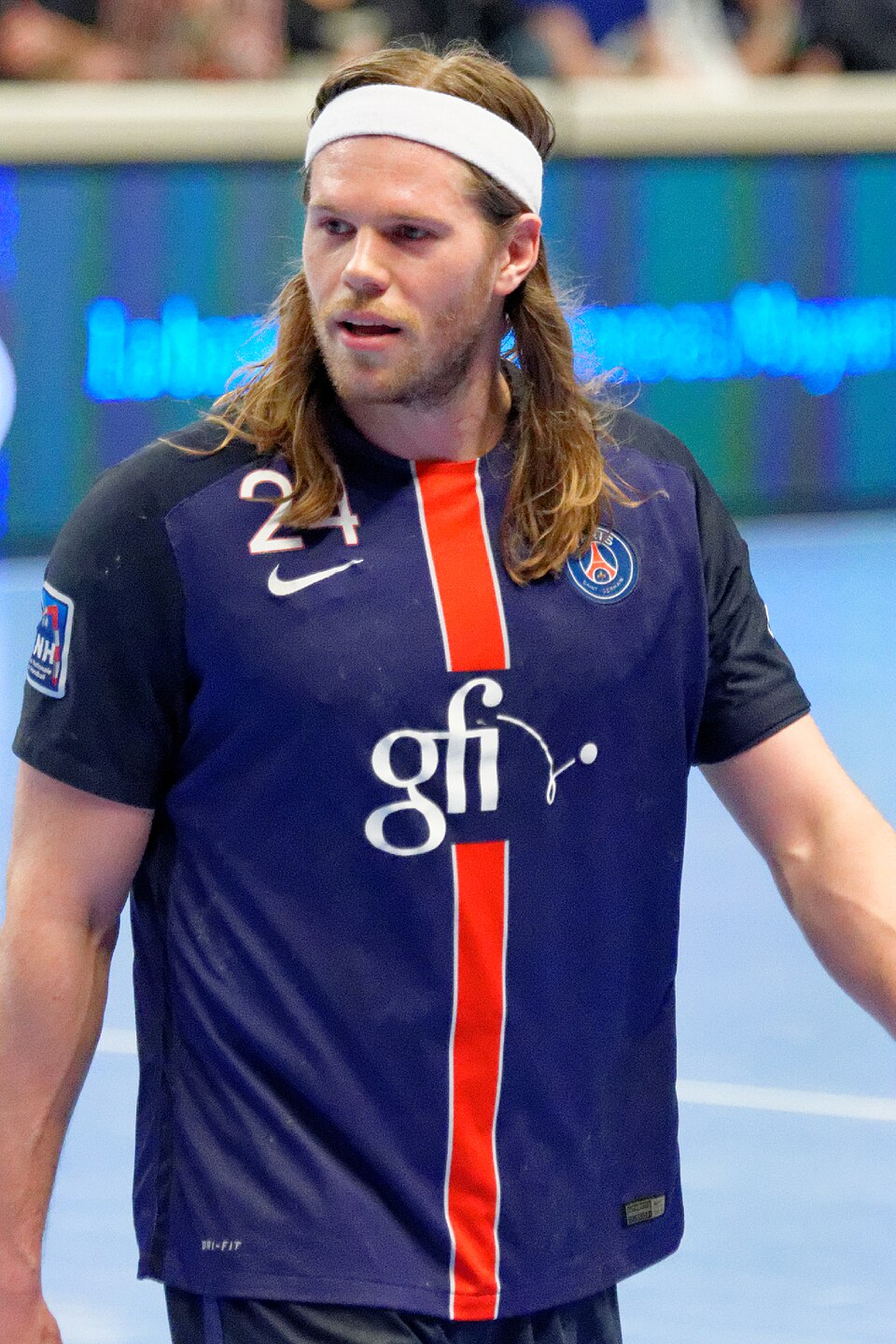
🥈
Mikkel Hansen
Mikkel Hansen
Denmark
2
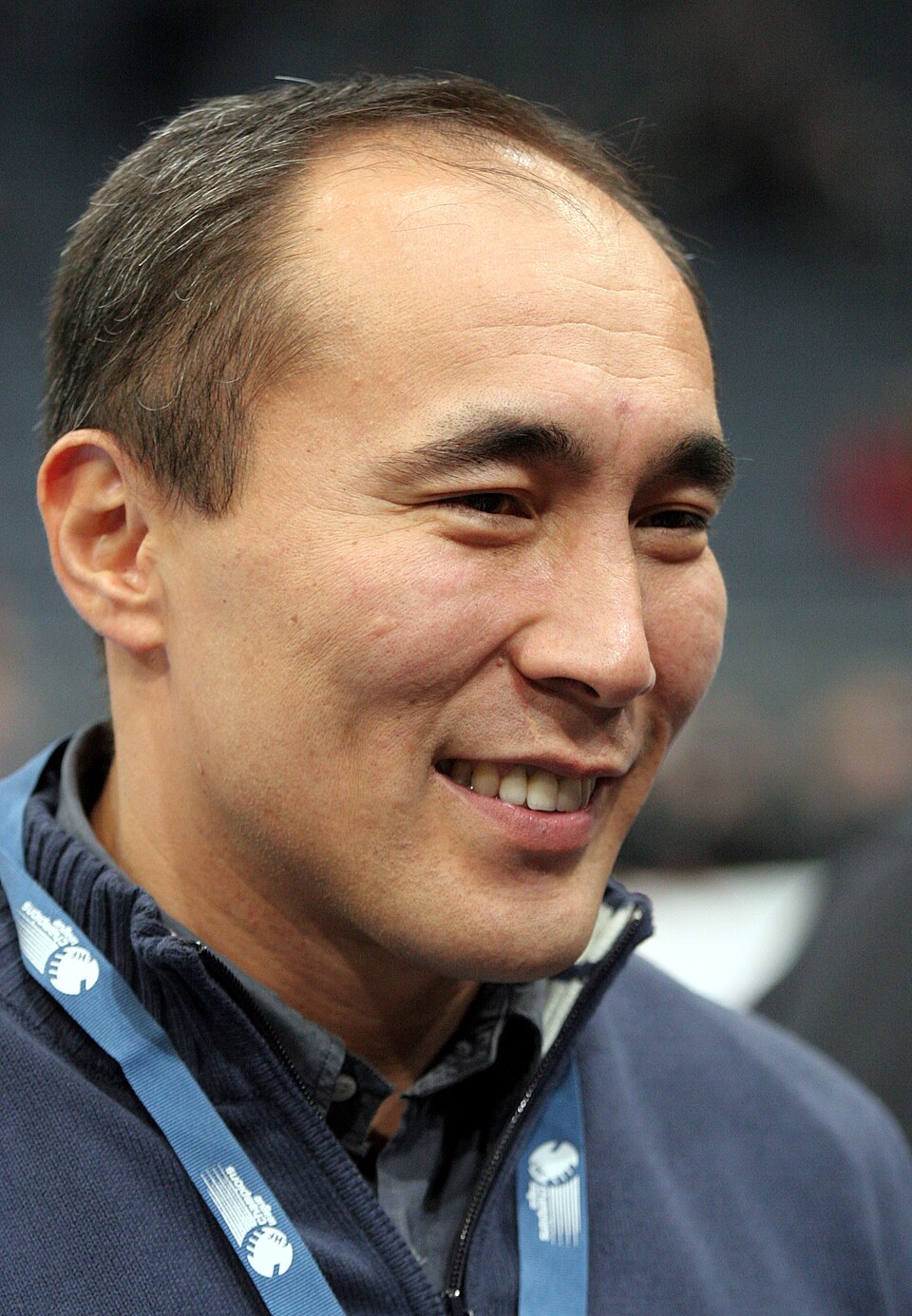
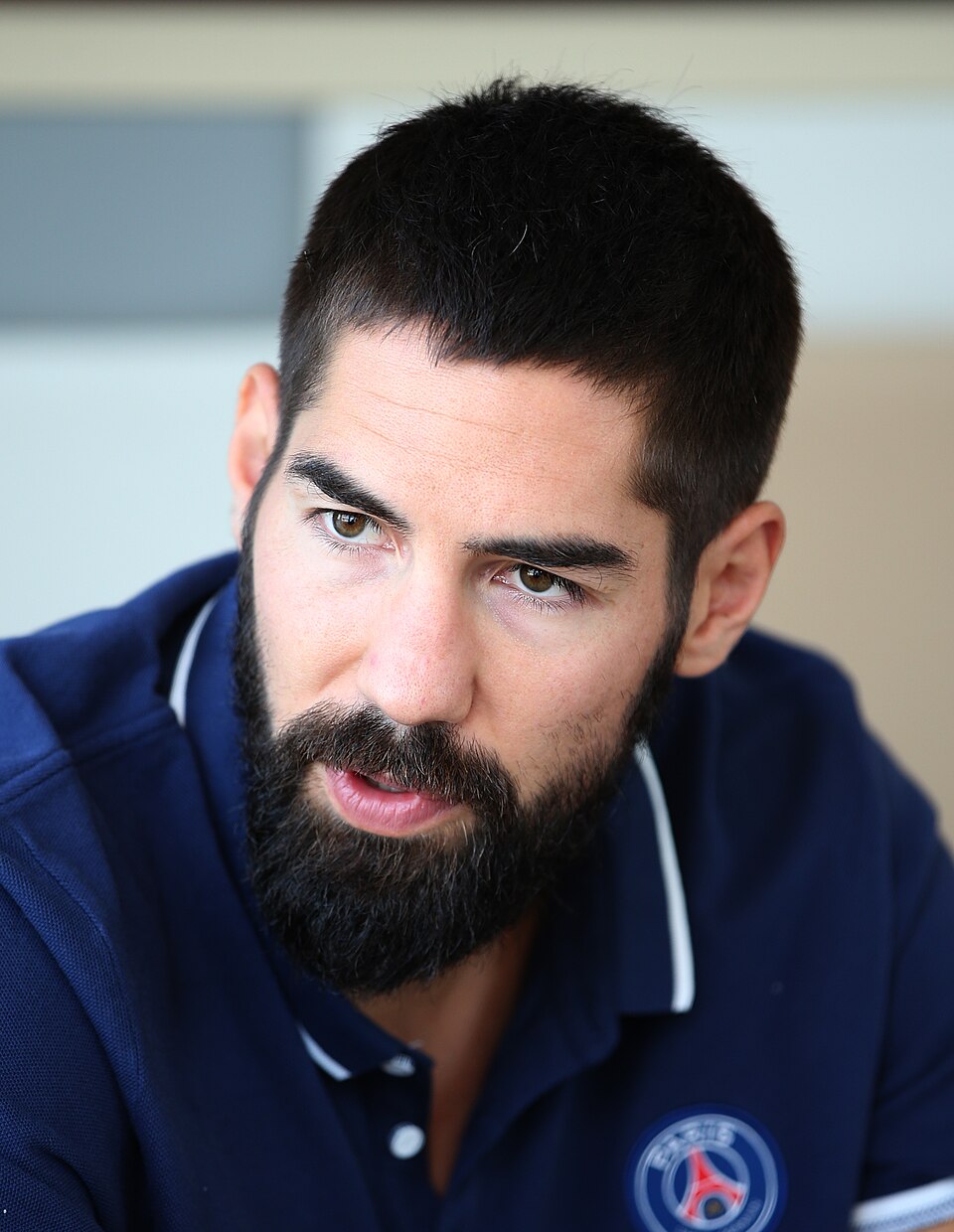
🥇
Nikola Karabatic
Nikola Karabatic
France
1
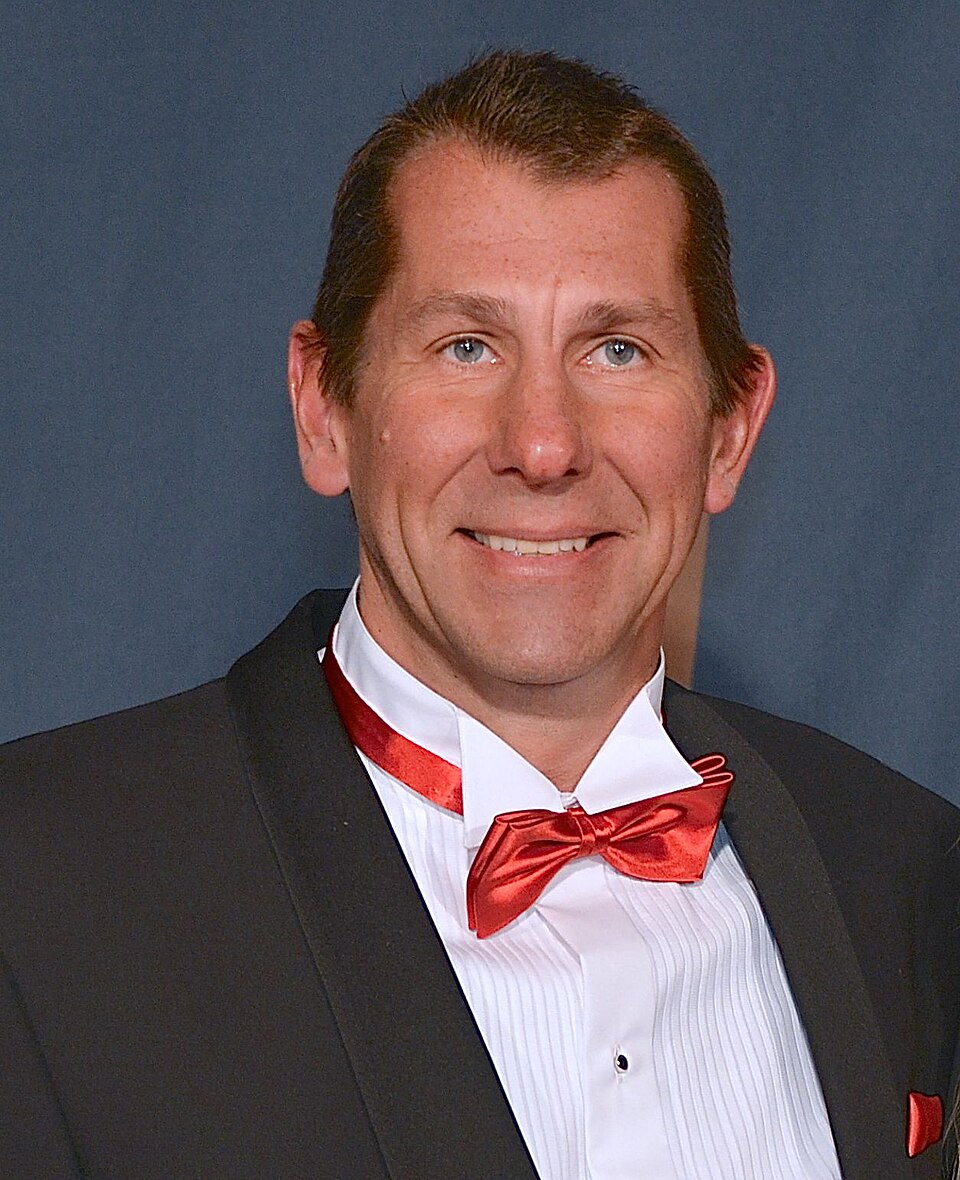
🥉
Magnus Wislander
Magnus Wislander
Sweden
3

Comparison Lab

Toggle athletes on and off — every bar rescales to the leader of your selection.

5 / 12

The top 10

1
Nikola Karabatic

Nikola Karabatic

France · 2002-2024

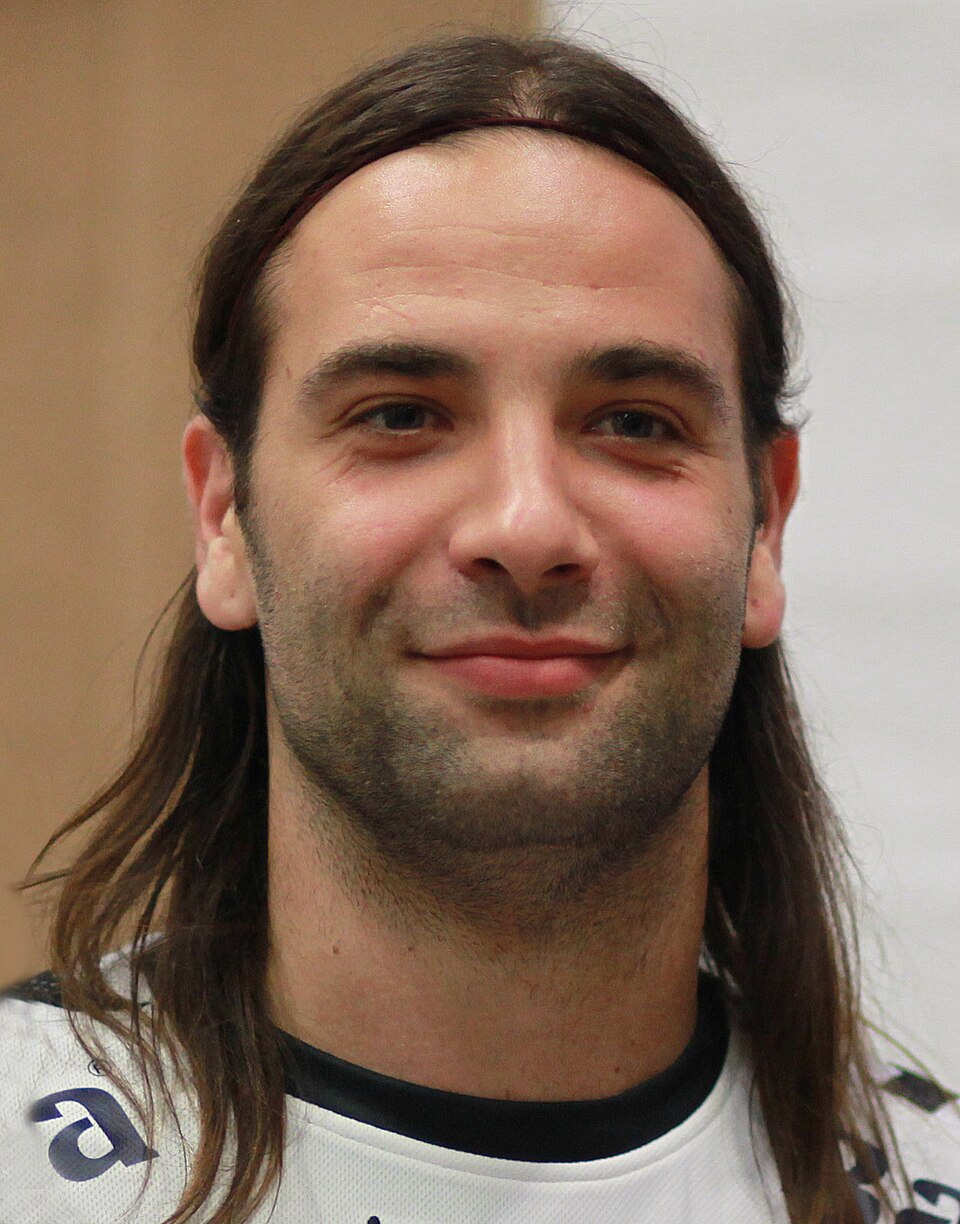
The most decorated player the sport has produced and its nearest thing to a consensus choice. Across 22 seasons Karabatic won three Olympic gold medals (2008, 2012 and 2020), four World Championships (2009, 2011, 2015 and 2017) and three European Championships (2006, 2010 and 2014) with France, plus the Champions League with three different clubs - Montpellier, THW Kiel and Barcelona. He was named IHF World Player of the Year three times, in 2007, 2014 and 2016, a men's record he shares with Mikkel Hansen. Born in Nis to a Yugoslav international goalkeeper who later coached in France, he stood close to two metres and could play either left back or centre back at the highest level, which is why coaches shifted him between the two hardest backcourt roles without losing anything. He also defended, unusually for a player of his offensive value. He retired after the Paris 2024 Olympics with more than 300 caps and a trophy cabinet nobody in handball has matched.
Olympic golds
3
World titles
4
European titles
3
IHF World Player awards
3
Champions League titles
3
2
Mikkel Hansen

Mikkel Hansen

Denmark · 2006-2024

The defining backcourt shooter of the 2010s and the player who turned Denmark from a good handball nation into the dominant one. Hansen won the IHF World Player of the Year award three times, in 2011, 2015 and 2018, matching the men's record, and collected Olympic gold in Rio in 2016 as the tournament's leading scorer, silver in Tokyo, and gold again in Paris in 2024 in the last match of his career. He was central to three consecutive world titles, in 2019, 2021 and 2023, and his European Championship came in 2012, when Denmark beat Serbia in Belgrade and he was named the tournament's most valuable player. A left-hander who shot from well beyond nine metres with a flat, ferocious release and passed like a playmaker, he won the Champions League with Barcelona in 2011 and then spent a decade as the axis of Paris Saint-Germain. He is Denmark's record international scorer and retired at 36.

Olympic golds
2
World titles
3
European titles
1
IHF World Player awards
3
Champions League titles
1
3
Magnus Wislander

Magnus Wislander

Sweden · 1983-2005

Voted Handball Player of the Century by the IHF in 2000, and the man who turned the pivot from a body into a position. A line player with a playmaker's hands, Wislander scored, screened and passed out of the six-metre chaos for THW Kiel across twelve seasons, winning the run of Bundesliga titles that made Kiel the biggest club in the sport. With Sweden's Bengan Boys he won world titles in 1990 and 1999 and four consecutive European Championships in 1994, 1998, 2000 and 2002, still the record for a men's national team. The gap in the record is the largest in handball history: Sweden lost three Olympic finals in a row, to the Unified Team in 1992, Croatia in 1996 and Russia in 2000, and Wislander finished close to 400 internationals with three silver medals and no gold. Ask coaches which pre-2000 player they would build a team around and his name still comes first.

Olympic golds
0
Olympic medals
3 (all silver)
World titles
2
European titles
4
4
Katrine Lunde

Katrine Lunde

Norway · 2005-present

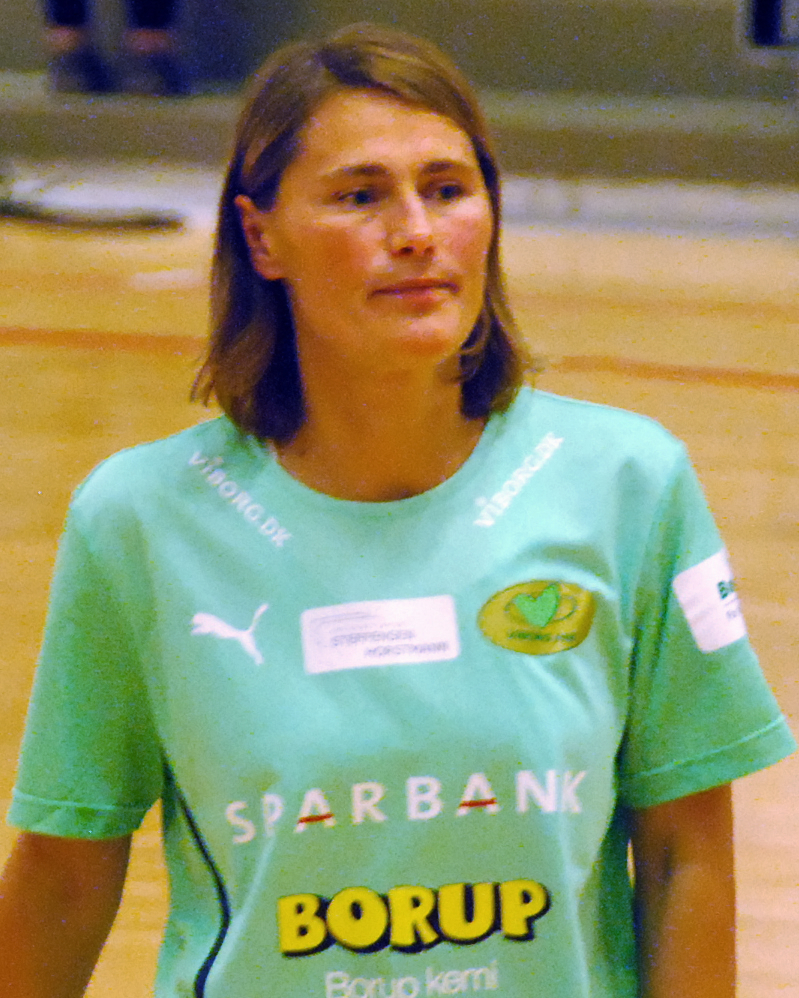
The most decorated goalkeeper in handball and, by trophy count, arguably the most decorated player of any kind. Lunde won Olympic gold with Norway in 2008, 2012 and 2024, and took a medal at five consecutive Games from Beijing to Paris, where she played the final at 44. She has three world titles, in 2011, 2015 and 2021, and a stack of European Championships from the Norwegian dynasty that has now won a record ten EHF Euro crowns. At club level she won the Champions League seven times with three different employers: Viborg in 2009 and 2010, Gyor in 2013 and 2014, and Vipers Kristiansand in 2021, 2022 and 2023. Her method is positional rather than acrobatic - she reads the shooter's hips, plants early and takes up an enormous amount of visual space - and her record in 7-metre duels has decided finals for two decades. Her twin sister Kristine played alongside her for Norway.

Olympic golds
3
Olympic medals
5
World titles
3
European titles
6+
Champions League titles
7
5
Cristina Neagu

Cristina Neagu

Romania · 2007-present

The only player of either sex to win the IHF World Player of the Year award four times, in 2010, 2015, 2016 and 2018, and the all-time leading scorer in the EHF Champions League. Neagu is the argument that individual greatness and team silverware are separable. Romania have not won a major senior title in her lifetime, and their best result in her era was World Championship bronze in 2015, a tournament in which she was both top scorer and most valuable player. At club level she won three Champions Leagues, with Buducnost in 2012 and 2015 and CSM Bucuresti in 2016, and she has scored more than 1,000 goals for Romania. A left back who shoots from a standing position with a whip-like release rather than a jump, she twice ruptured a cruciate ligament, in 2012 and 2018, and both times came back to win the world award. In a sport dominated by a handful of federations, she is its most celebrated individual from outside them.

IHF World Player awards
4
Champions League titles
3
World titles
0
Olympic medals
0
6
Ivano Balic

Ivano Balic

Croatia · 1998-2015

For roughly five years in the mid-2000s, the most inventive player anyone had seen. Balic was a centre back who built his game on deception rather than power - a step-back fake that froze an entire defensive line, a no-look pass to a pivot he could not possibly have seen - and he was named IHF World Player of the Year in 2003 and 2006. He was the outstanding player of the 2003 World Championship, which Croatia won at home in Zagreb, and of the Athens 2004 Olympic tournament, which Croatia also won. With him as the fulcrum Croatia added world silver in 2005 and 2009 and European silver in 2008 and 2010, a run of near misses that would define a lesser player. In an IHF online poll in 2010 he was voted the best handball player of all time, a verdict that says as much about how he played as about what he won. Coaches still show his footage to teach the value of the pause.

Olympic golds
1
Olympic medals
1
World titles
1
IHF World Player awards
2
7
Thierry Omeyer

Thierry Omeyer

France · 1999-2017

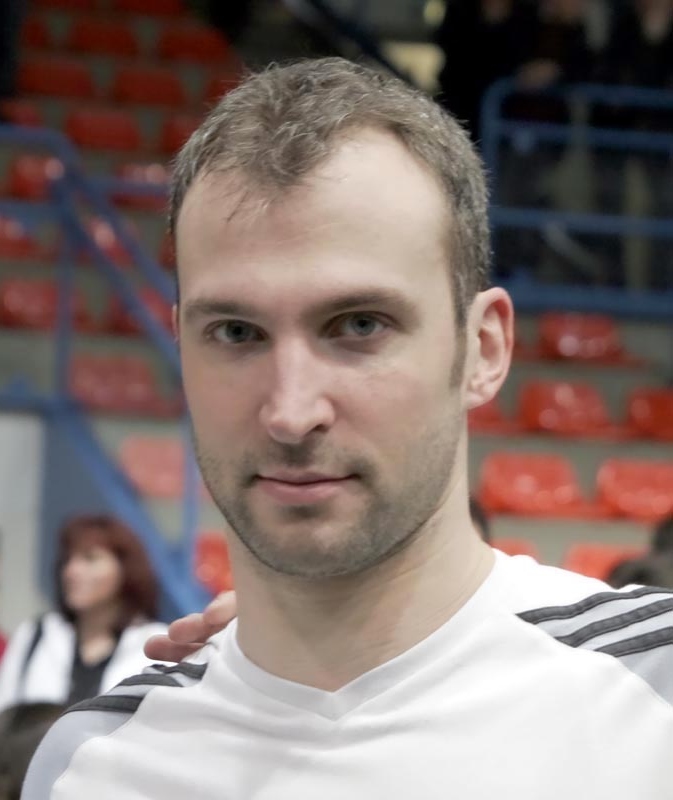
Routinely named by his peers as the best goalkeeper the sport has had, and the spine of the most successful national team ever assembled. Omeyer won Olympic gold in 2008 and 2012 and silver in 2016, four world titles with France (2009, 2011, 2015 and 2017) and three European Championships (2006, 2010 and 2014), and was IHF World Player of the Year in 2008, an award goalkeepers almost never win. At club level he took the Champions League four times, once with Montpellier and three times with THW Kiel, including the 2011-12 season in which Kiel won all 34 of their Bundesliga matches. His method was minimalist: a low, wide stance, almost no early commitment, and a willingness to leave one corner visible in order to invite the shot he had prepared for. He regularly finished major tournaments with save rates near forty percent, the informal threshold that separates a very good goalkeeper from a tournament-winning one.

Olympic golds
2
Olympic medals
3
World titles
4
European titles
3
Champions League titles
4
8
Anja Andersen

Anja Andersen

Denmark · 1988-1998

Handball's great disruptor. Andersen played centre back for Denmark with a combination of technical genius and open provocation - she talked, she gestured, she attempted shots nobody else would consider - and she was the engine of the team that changed the women's game. Denmark won the European Championship in 1994 and 1996, Olympic gold in Atlanta in 1996 and the world title in 1997, the year Andersen was named IHF World Player of the Year. Then it stopped: a heart condition forced her retirement in 1998 at 29, at the peak of her powers. She moved straight into coaching and was just as successful and just as combustible, building Slagelse into a European power that won successive Champions League titles in 2004 and 2005 while collecting bans of her own along the way. Denmark's women went on to win three consecutive Olympic golds from 1996 to 2004; Andersen started it.

Olympic golds
1
Olympic medals
1
World titles
1
European titles
2
IHF World Player awards
1
9
Andrey Lavrov

Andrey Lavrov

Russia · 1985-2004

Three Olympic gold medals, won under three different flags, across twelve years. Lavrov kept goal for the Soviet Union when they won in Seoul in 1988, for the Unified Team in Barcelona in 1992, and for Russia in Sydney in 2000, then added a bronze in Athens in 2004 at the age of 42 - a span of Olympic relevance no other handball player has matched. In between he won world titles with Russia in 1993 and 1997 and the European Championship in 1996, the peak of the post-Soviet Russian side. He was a goalkeeper of extreme physical courage in an era when defenders were permitted more contact and shots arrived harder and flatter, and his reading of wing shooters was considered untouchable. He later coached and worked in the Russian federation. For most of the sport's history his three Olympic golds were simply the record, and only Karabatic and Katrine Lunde have since equalled them.

Olympic golds
3
Olympic medals
4
World titles
2
European titles
1
10
Talant Dujshebaev

Talant Dujshebaev

Soviet Union / Spain · 1986-2005

Born in Frunze in Soviet Kyrgyzstan, Dujshebaev won Olympic gold with the Unified Team in 1992, took Spanish citizenship, and then won Olympic bronze for Spain in 1996 and 2000 - a career that traced the political redrawing of the sport. He was named IHF World Player of the Year twice, in 1994 and 1996, as a centre back of unusual physical power who could shoot from nine metres and defend the middle of a 6-0 for a full match, a combination that barely exists now. He spent his best club years in Spain with Teka Santander and Ciudad Real, in the period when the Spanish league was the strongest in the world. His second career made him more influential still: as a coach he took Kielce to the Champions League title in 2016, and both his sons, Alex and Daniel, became Spanish internationals. Few people have shaped three handball nations.

Olympic golds
1
Olympic medals
3
IHF World Player awards
2
World titles
0
11

Anita Gorbicz

Hungary · 1999-2021

The one-club great. Gorbicz spent essentially her entire career at Gyori Audi ETO KC, turning a Hungarian provincial club into the dominant force in European women's handball and winning five Champions League titles there - in 2013, 2014, 2017, 2018 and 2019 - alongside a long series of Hungarian league and cup doubles. She was named IHF World Player of the Year in 2005, at 22, after Hungary took bronze at the World Championship, and she stands among the highest-scoring players in Champions League history. A centre back with an exceptionally quick first step, she built her game on beating the first defender and then playing the pivot in, and she was the reference point for the position in the women's game for fifteen years. Hungary never converted her talent into a major title - fourth at the Beijing Olympics in 2008 was the closest they came - which is why she is better known inside the sport than outside it.

Champions League titles
5
IHF World Player awards
1
World titles
0
Olympic medals
0
12

Jackson Richardson

France · 1990-2008

The face of French handball before France became a superpower. Born on Reunion, Richardson was a centre back of dazzling acceleration and improvisation who was named IHF World Player of the Year in 1995, the year Les Barjots won France's first world title in Iceland. He won a second with the next generation, Les Costauds, in 2001 on home soil, and bracketed his career with Olympic medals sixteen years apart: bronze at Barcelona in 1992 and, at 39, gold at Beijing in 2008 in his final tournament, the medal that three decades of French handball had been building toward. His dreadlocks, his refusal to leave the French league for most of his prime and his status as the first genuinely famous handball player in France made him a national figure well beyond the sport. Everything France won in the decade after 2008 was built on foundations he laid.

Olympic golds
1
Olympic medals
2
World titles
2
IHF World Player awards
1

Bars are scaled to the leader in this list.

The debate

The first honest problem is that handball's eras are not comparable in volume. Karabatic and Hansen played in a period with a major international tournament every single year - Olympics, World Championship, European Championship in rotation - plus a Champions League that runs from September to June. Wislander, Lavrov and Andersen competed for fewer trophies with fewer chances, so raw counting undervalues them. The second problem is positional. Goalkeepers control roughly a third of a match's outcome and appear on no scoresheet, which is why Omeyer and Lavrov rank as high as they do here and why some coaches would put Omeyer first outright. The third is that the sport's individual award began only in 1988 and was not given in every category in every year, so pre-1990 players have almost no individual record to point at.

The most contested judgement on this list is Cristina Neagu at five. She has no Olympic medal, no world title and no European title, in a sport where those are the currency, and she is ranked above two Olympic champions. The case is that she won the sport's individual award four times, more than anyone in history, while playing for a federation that could not put a competitive squad around her, and that she is the leading scorer in the history of Europe's premier club competition. If greatness means trophies, she does not belong here at all; if it means being demonstrably the best player in the world for the longest stretch, she may belong higher. The same tension governs the whole list, and it is why Karabatic tops it: he is the only player who is top three by every measure - peak, longevity, trophies and the eye test - rather than dominant in one.

Embed this ranking

Paste this code into your blog or site — the ranking stays up to date.

Keep exploring

More in this category