Last reviewed Sources & creditsMedia creditsMethodology
Quick answers
Why does a Test match last five days?
A Test gives each side two full innings and asks them to bowl the other out twice, which simply takes time; a minimum of 90 overs is bowled each day across five days, roughly 450 overs in all. The format is designed as an examination of skill, stamina, and temperament rather than a quick result, so batters can occupy the crease for hours and bowlers must find sustained ways to take twenty wickets. If neither side completes the task in time, the match is drawn. This endurance is the point: Test cricket rewards patience and shifting momentum that shorter formats, decided in a single innings, cannot offer.
What is the difference between Test, ODI, and T20 cricket?
The three formats differ in length and intent. Test cricket is played over five days with two innings each and no limit on overs; it is the traditional, most demanding form, ending in a win, loss, or draw. A One Day International gives each side a single innings of 50 overs and always produces a result, favouring a balance of caution and aggression. A Twenty20 gives each side just 20 overs and lasts about three hours, rewarding constant attacking play and big hitting. In short, Test cricket prizes patience and technique, ODIs blend the two, and T20 is built for entertainment and rapid scoring.
What does LBW mean in cricket?
LBW stands for leg before wicket, one of the main ways a batter is dismissed. If the ball strikes the batter's pad or body, rather than the bat, and the umpire judges that it would have gone on to hit the stumps, the batter can be given out. Several conditions apply: the ball must not pitch outside the line of leg stump, and if it strikes the pad outside the line of off stump the batter is safe provided he was attempting a shot. Ball-tracking technology now assists the decision through the review system, projecting the ball's path to show whether it would have hit the wicket.
Who is the greatest cricketer of all time?
There is near-consensus that Sir Donald Bradman is the greatest batsman, and often the greatest cricketer, purely on the strength of his Test average of 99.94, a figure no one else has approached, roughly double that of other all-time greats. Beyond Bradman the debate is genuinely open. Sachin Tendulkar holds the records for most international runs and centuries; Garfield Sobers and Jacques Kallis are the leading all-rounders; Muttiah Muralitharan and Shane Warne dominate bowling; and Brian Lara, Viv Richards, and Virat Kohli have their strong advocates. Because the game has changed so much across eras, most fans accept Bradman at the top and argue endlessly about the order below him.
Why is cricket so popular in India?
Cricket took root in India under British rule and grew into a national passion after independence, but the turning point was the 1983 World Cup, when Kapil Dev's underdog side beat the mighty West Indies at Lord's and inspired a generation. Television then carried the game into hundreds of millions of homes, and stars such as Sachin Tendulkar became national icons. India's vast population and the commercial power of its market made it the financial centre of world cricket, a status cemented by the Indian Premier League from 2008. Today cricket in India is closer to a shared cultural language than a mere sport, cutting across region, language, and class.
What is the Duckworth-Lewis-Stern method?
The Duckworth-Lewis-Stern, or DLS, method is the mathematical formula used to reset targets in limited-overs matches shortened by rain or other interruptions. It recognizes that a team's scoring potential depends on two resources, the overs remaining and the wickets in hand, and calculates a fair revised target based on how much of those resources each side had available. Developed by statisticians Frank Duckworth and Tony Lewis and later refined by Steven Stern, it replaced cruder systems that could produce absurd targets. While its calculations can look opaque to spectators, DLS is widely accepted as the fairest available way to decide interrupted white-ball matches and is used at all levels including World Cups.
The highest stage in cricket is still the national team. Franchise leagues led by the Indian Premier League now control most of the sport's money, but nearly all of them were founded after 2008 and none of them play Test cricket. National teams, by contrast, carry unbroken career records and interlocking rivalries stretching back to 1877, which makes the country still the most accurate unit for reading the sport's balance of power. The twelve teams below are every Full Member nation granted Test status by the ICC, ranked by overall record and results at world tournaments.
The figures in the table are men's national-team career totals as of mid-2025; Test and ODI win and appearance counts are rounded, since fractional differences carry no real meaning. ICC major titles combine men's wins at the ODI World Cup, the T20 World Cup, the Champions Trophy and the World Test Championship, with shared titles counted once. The gap between these twelve teams is wider than in any other major sport — the top two teams alone have more Test wins than the bottom four teams have Test appearances.
Key teams

Australia
Explore →
England
Explore →
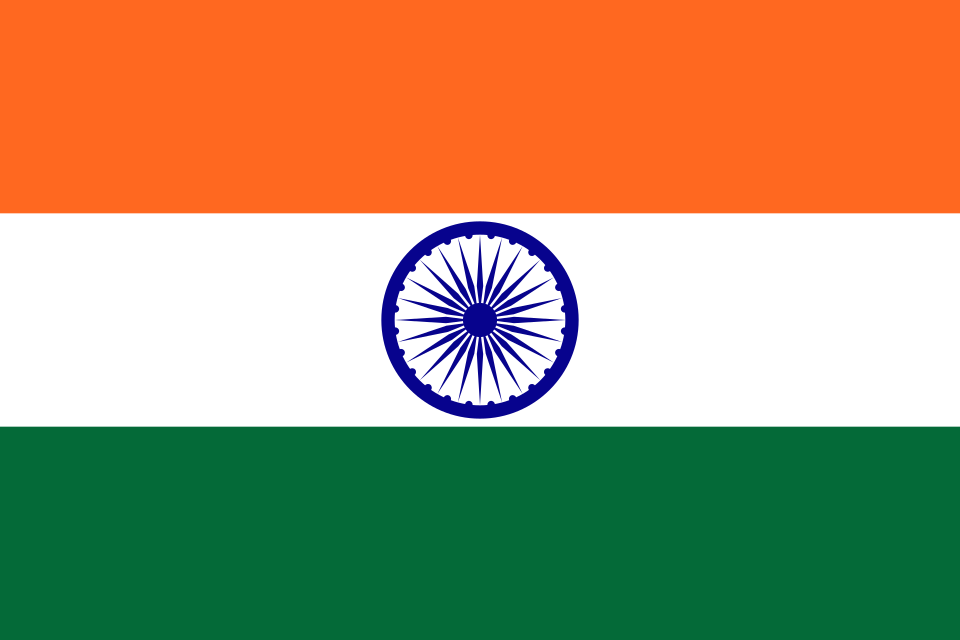
India
Explore →

West Indies
Explore →

South Africa
Explore →

Pakistan
Explore →

New Zealand
Explore →
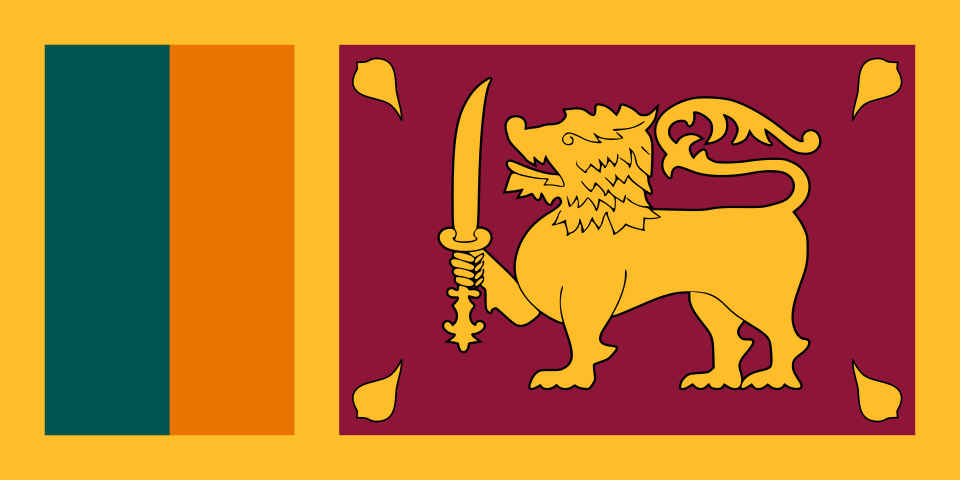
Sri Lanka
Explore →
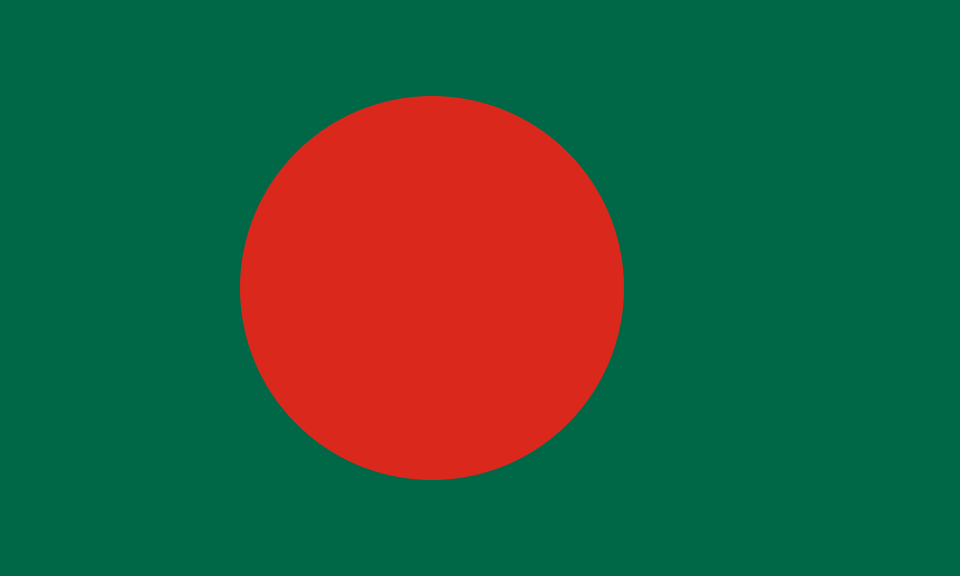
Bangladesh
Explore →

Afghanistan
Explore →

Zimbabwe
Explore →

Ireland
Explore →