Neighbor-joining trees tempt hierarchy porn
Branch length reflects sampling and markers — not worth ladders.
Fst and PCA are tools — not proof that humanity comes in ranked continental teams.
Side-by-side cultures and maps — never race ranks.
Read the map layers
Last reviewed Sources & creditsMedia creditsMethodology
Five research punchlines — scan before you dive.
Genetic distance myths is a reference layer for the Peoples atlas: patterns you can check, not a podium for continents.
Each layer explains what the measure is, where it misleads, and how it connects to culture pages without racial ranking.
Demography and linguistics change; treat figures as era-bound.
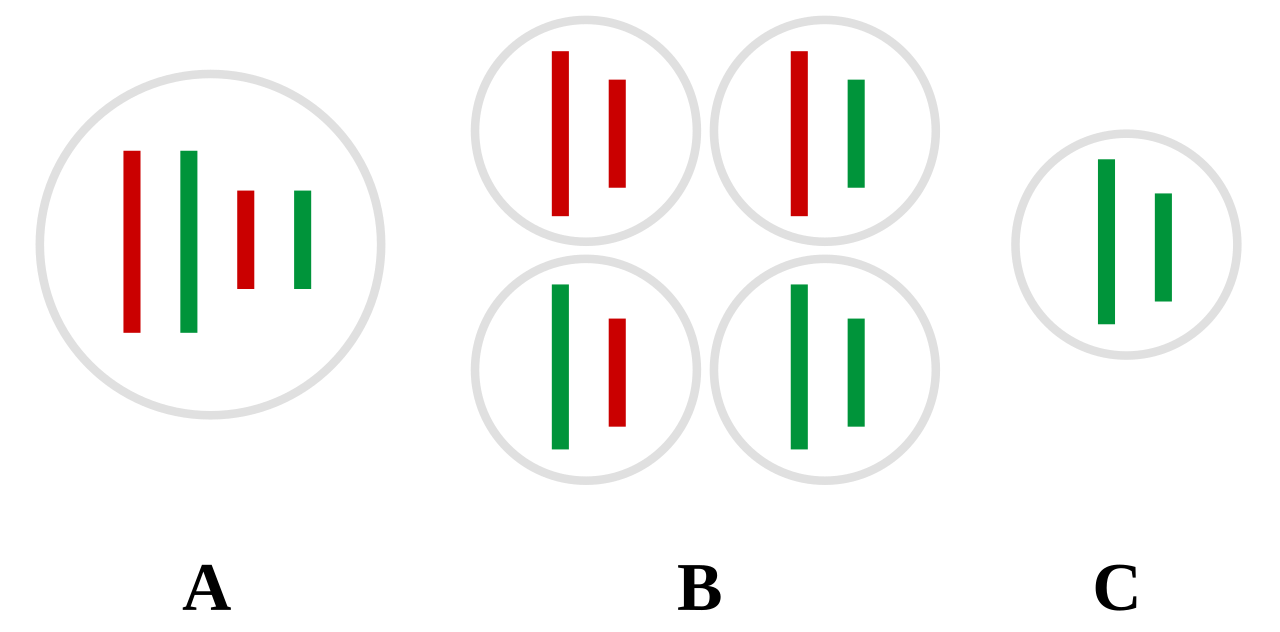
What Genetic distance myths measures and why it matters.
This layer exists to answer “where?” and “how connected?” without sliding into “who is better?”
Read it beside culture pages: tongues, cities and migrations are how peoples actually meet.
Average allele-frequency differences — not souls, IQs or civilizations.
Nearby peoples usually share more alleles; oceans and deserts add noise.
Cherry-picked populations can fake tidy racial clusters.
Most heterozygous diversity still sits inside local groups.
Ancestry models can aid medicine without resurrecting race hierarchy charts.
Signals a careful reader looks for — and the traps that turn maps into myths.
Branch length reflects sampling and markers — not worth ladders.
Revisiting Lewontin with modern data still undercuts folk race biology.
AIMs can aid some risk models — checkboxes often fail; precision language saves lives.
Extremist forums circulate FST tables as hate fuel — captions must refuse that reading.
Scholarly themes rewritten for curious readers — not paywalled jargon, and never a race ranking.
Genetic distance statistics measure differentiation; they do not rank cultures or intellect.
Takeaway A number isn’t a podium.
Revisiting Lewontin’s insight with modern data still undercuts folk race biology.
Takeaway Most diversity is local.
Pretty trees tempt racist storytelling; branches are sampling artifacts too.
Takeaway Don’t worship the dendrogram.
Ancestry-informative markers can aid some risk models; folk race checkboxes often fail.
Takeaway Precision language saves lives.
Extremists circulate genetic distance charts as hierarchy porn; this atlas layer names the con.
Takeaway Charts need captions against hate.
Books, reviews and museum trails — starting points, not a syllabus.
Reviews dismantling genetic determinism — companion antidote to misuse.
Differentiation statistics ≠ cultural or intellectual ranking.
Online modules on clines and clusters without folk race leaps.
Social race vs biology — assign beside this atlas layer.
Learn PCA without worshipping dendrograms — methods literacy.
No. Atlas pages refuse superior/inferior framing.
When masters revise; UN and linguistic datasets move — check dates in prose.
Yes, with attribution to Tool-Lifes and underlying public datasets named in text.
Reusable licences and stable Wikipedia titles feed our media pipeline.
No. They show languages, density, migration or methods — never race league tables.
Cultural pages note conflict when relevant; atlas layers prefer demographic basins over propaganda maps.
The metric is not; using it to rank human worth is.
Pair this page with Race is not biology in the diversity pillar.