Bombay (hh) phenotype rarity
Extremely rare ABO variant in South Asia shows frequency ≠ value — transfusion puzzles teach humility.
ABO and Rh frequencies vary by place, but every blood type appears widely — transfusion care beats race folklore.
Last reviewed Sources & creditsMedia creditsMethodology
Five research punchlines — scan before you dive.
Blood groups is explained here as measurable human variation — geography, pathogens, diet and migration — not as a scoreboard of peoples.
Readers get the mechanism, the map-like pattern (clines and patches), and the misconceptions that turn traits into racial folklore.
Nothing on this page ranks intelligence, worth or civilization by group.
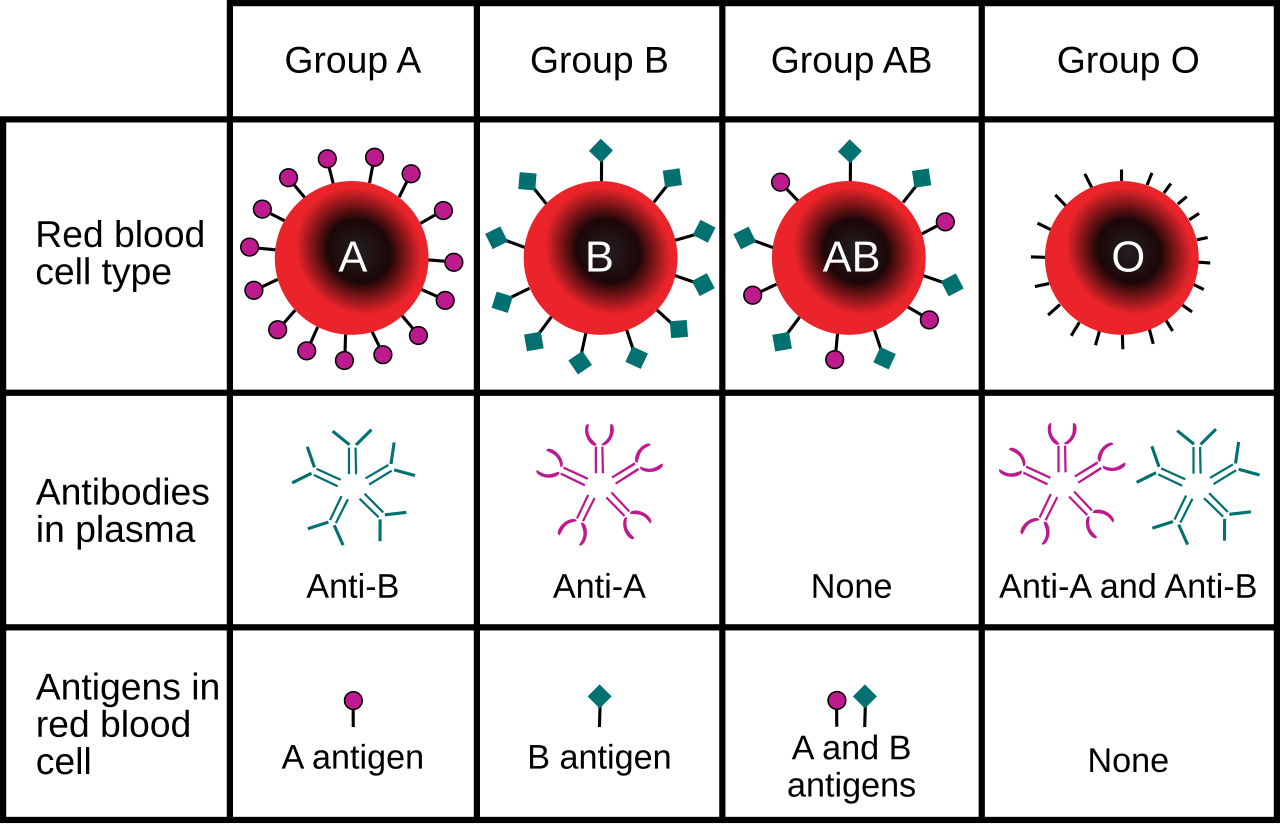
Biological mechanism behind Blood groups.
The trait responds to concrete pressures: light, air, pathogens, diet or demographic history.
Multiple genes and environments usually interact; single-gene bedtime stories are rare.
Where and why Blood groups varies.
Maps of this trait look like weather: gradients, patches and corridors — not painted race continents.
Colonial census categories rarely match those biological gradients.
Concrete histories of adaptation and contact — never a league table of peoples.
Extremely rare ABO variant in South Asia shows frequency ≠ value — transfusion puzzles teach humility.
Pop myths link Basques to uniqueness narratives — genetics shows clines, not mystical purity.
Newborn screening saves lives by allele, not by race checkbox — model for precision medicine.
Separated blood by race despite science — stigma was social, not serological.
Scholarly themes rewritten for curious readers — not paywalled jargon, and never a race ranking.
ABO frequencies vary geographically and matter for transfusion — they do not sort humans into ranked races.
Takeaway Useful medically, useless morally.
Researchers test whether pathogens shaped ABO frequencies; results are mixed and ongoing.
Takeaway Open questions beat dogma.
Rh incompatibility care is a public-health success story about antibodies, not ancestry mystique.
Takeaway Shots prevent tragedy.
Studies of blood donation systems show how shortages and stigma are social.
Takeaway Supply is solidarity.
Blood type alone is weak identification; TV lies.
Takeaway Don’t CSI your ancestry from type.
Books, reviews and museum trails — starting points, not a syllabus.
Social history of transfusion, typing and scandal — ABO as logistics.
Norovirus and other pathogen theories — medically useful, morally useless for ranking.
Typing standards and rare donor registries — solidarity infrastructure.
Rho(D) immunoglobulin success story — antibodies, not ancestry mystique.
International reference nomenclature — precision beats folklore.
Tap a card — the fact stays hidden until you flip.
Blood type equals personality race science.
No robust evidence links ABO to character.
Nations have one blood type.
All common ABO types appear in nearly every large country.
Transfusion should match “race.”
It should match antigens — which cut across folk races.
Type O is the original human race.
O is common but not a species origin story.
Rh-negative proves ancient alien or lost race myths.
That is pseudoscience; Rh variation is ordinary genetics.
No. Traits can vary by place without slicing humanity into ranked subspecies.
Because curiosity about bodies is valid — and unanswered curiosity is where race myths recruit.
Only to explain mechanisms or public health. Averages never become league tables of worth.
No. Clinical decisions need clinicians, not atlas pages.
By preferring review-level consensus and labeling open debates.
A gradual change in trait frequency across geography, rather than a sharp racial border.
Yes — dairying and malaria are classic feedback loops.
See related diversity topics and the atlas page on genetic-distance myths.