c. 2500 BCE
Indus grain
Early urban South Asia already milled grain and used sesame and mustard.
Indian cuisine · Tadka, dal and a subcontinental map: masala, rice, breads and heat that is not one curry.
Milestones in order. This is history, not a weekly activity grid.
Darker cells mean a higher score for this topic on that metric.
LessMore
Last reviewed Sources & creditsMedia creditsMethodology
Indian cuisines are plural: Dravidian rice-and-tamarind, Indo-Gangetic breads, Mughal rice-and-meat, and Portuguese chili on the west coast. "Curry" is a British-Portuguese flattening of tadka, masala and gravy.
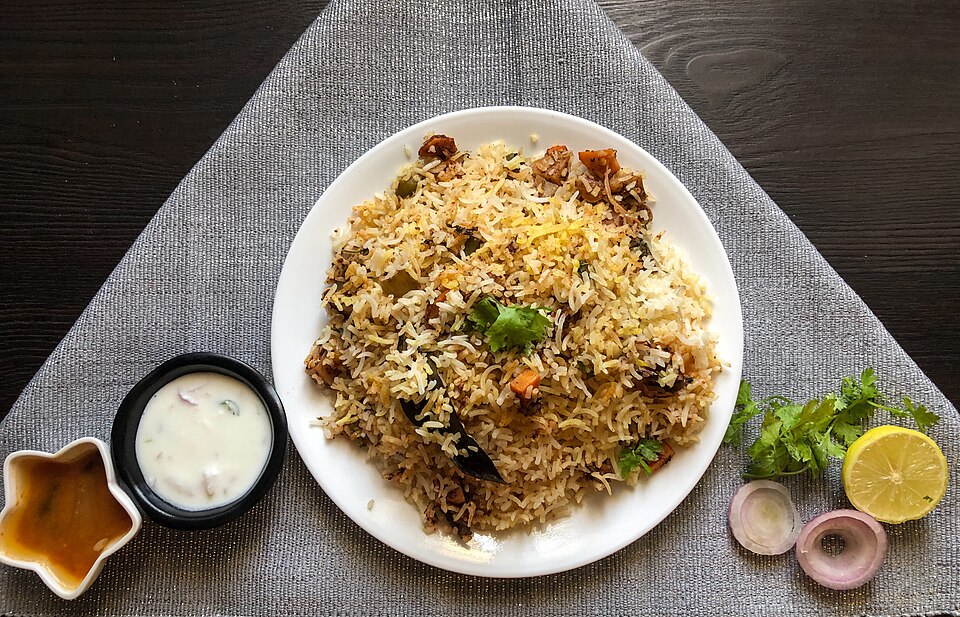
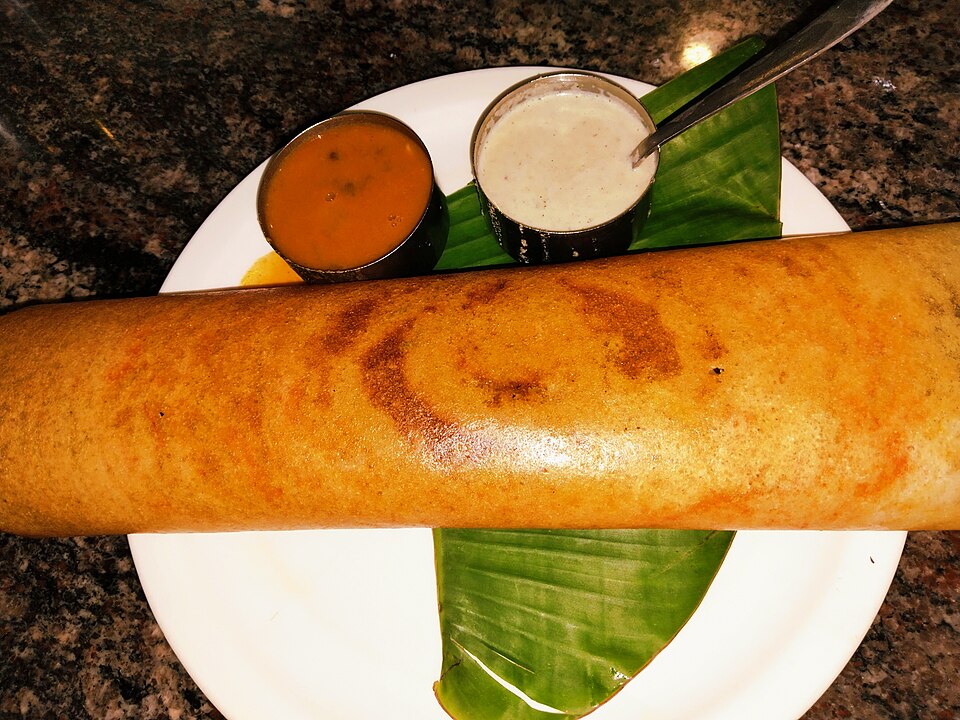
Indian cuisine sits at spice 95 in this atlas. Biryani and Masala dosa show the range better than a single heat number.
Biryani plus one regional plate — not only the export icon.
Spices bloomed in hot fat and poured over a dish.
Chili is late (16th century) and now structural in many kitchens. Heat here outruns Thailand only because black pepper, mustard seed and chili stack; many dishes stay fragrant rather than red.
The home pantry around Tadka and the labour behind Masala dosa rarely fit a takeaway box.
Indian cuisine did not arrive as a single national plate. Its older structure is visible in Biryani, Tadka and the regional kitchens that still disagree.
Court, village and street cooked on different clocks. The ten-point timeline below keeps those clocks in view rather than flattening them into a brand story.
Indian cuisines are plural: Dravidian rice-and-tamarind, Indo-Gangetic breads, Mughal rice-and-meat, and Portuguese chili on the west coast. "Curry" is a British-Portuguese flattening of tadka, masala and gravy.
Early urban South Asia already milled grain and used sesame and mustard.
Southern rice cultures and black-pepper trade were in place before chili.
Temple kitchens coded sattvic and regional vegetarian crafts.
Portuguese New World crops remade heat and street snacks.
Court biryanis and rich gravies entered the north and Deccan.
Portuguese Goa made vindaloo from vinha d'alhos plus chili.
British India invented "curry" as a category and exported it.
Highway dhabas and Delhi restaurants created butter chicken.
Bangladeshi-run British restaurants wrote a new national cuisine in the UK.
Dosa, biryani and regional rooms pushed back against one gravy.
Early urban South Asia already milled grain and used sesame and mustard.
Temple kitchens coded sattvic and regional vegetarian crafts.
Court biryanis and rich gravies entered the north and Deccan.
British India invented "curry" as a category and exported it.
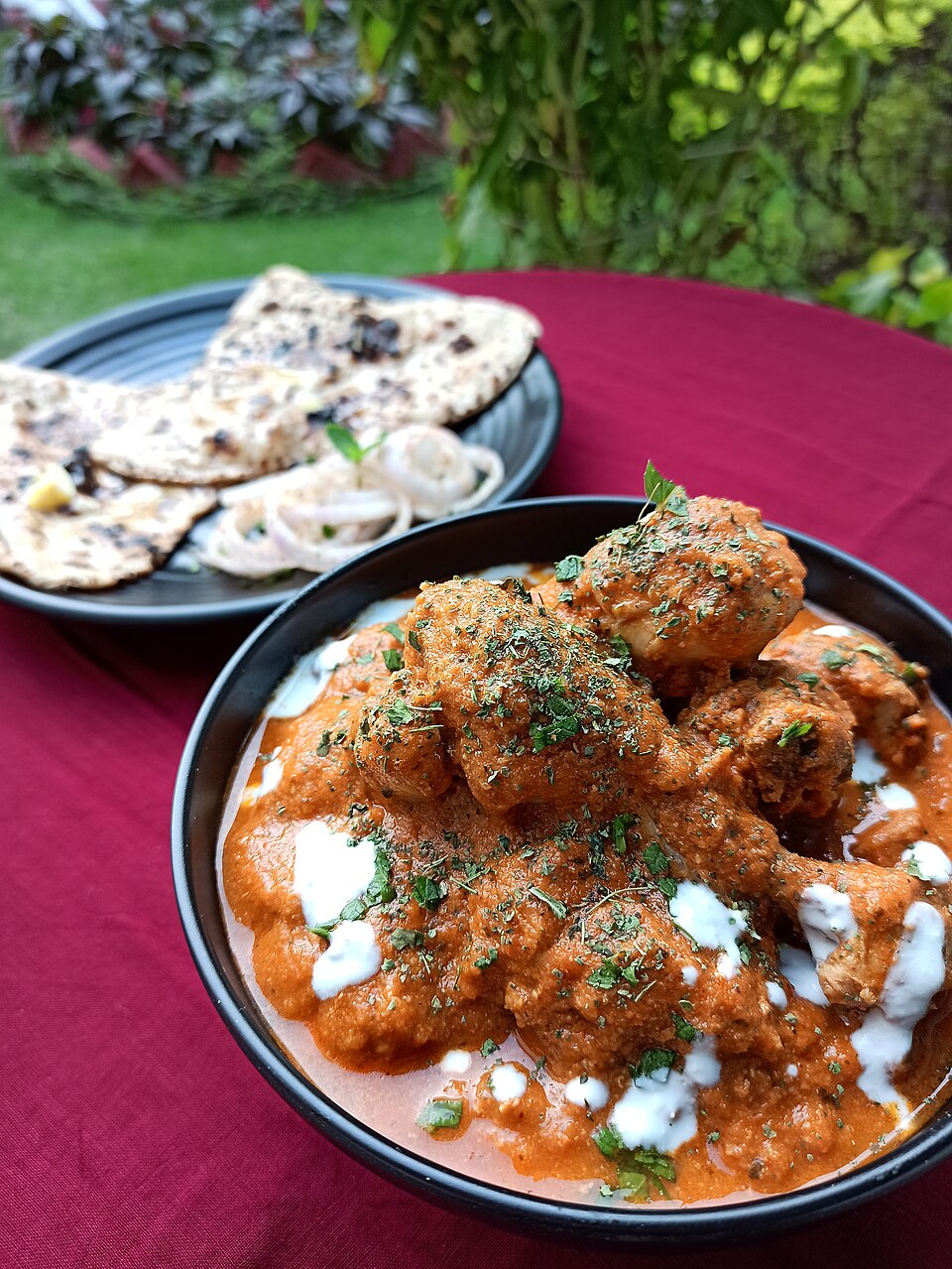
Bangladeshi-run British restaurants wrote a new national cuisine in the UK.
Southern rice cultures and black-pepper trade were in place before chili.
Court biryanis and rich gravies entered the north and Deccan.
Bangladeshi-run British restaurants wrote a new national cuisine in the UK.
A history of Indian cuisine that starts at the airport restaurant will miss the ferments, markets and labour that actually built the table.
Islands of sambal and coconut: rendang, nasi goreng and a spice-trade pantry across 17,000 islands.
Overall 68 🍗Vinegar, garlic and a fiesta table: adobo, sinigang and the Chinese-Spanish-American pantry of the islands.
Overall 62 🍜Malay, Chinese and Indian tables under one roof: nasi lemak, laksa and the mamak shop.
Overall 70