Elefante africano es una de las veinticuatro especies de este atlas. No es un catálogo: trata evolución, anatomía, conducta, cultura, iconos, conservación y área como un solo sistema.
Las puntuaciones comparan velocidad, inteligencia, área, resiliencia, impacto cultural y rol ecológico. Son juicios editoriales relativos, no un ranking de laboratorio.
Siete capítulos profundizan: orígenes, cuerpo y sentidos, vida y conducta, cultura, iconos, presión de conservación y el área que se comparte con la gente.
Introducción profunda
Inmersión: Elefante africano
Elefante africano no es un animal de postal. Es un conjunto de poblaciones, subespecies y reglas humanas dentro de la familia fauna de este atlas.
Diversidad, cuerpos, cultura y áreas — más una lente de esta región lingüística.
Diversidad dentro del tipo
Las guías de campo comprimen muchos linajes en la palabra Elefante africano. Subespecies, rutas y líneas cautivas no comparten un solo destino.
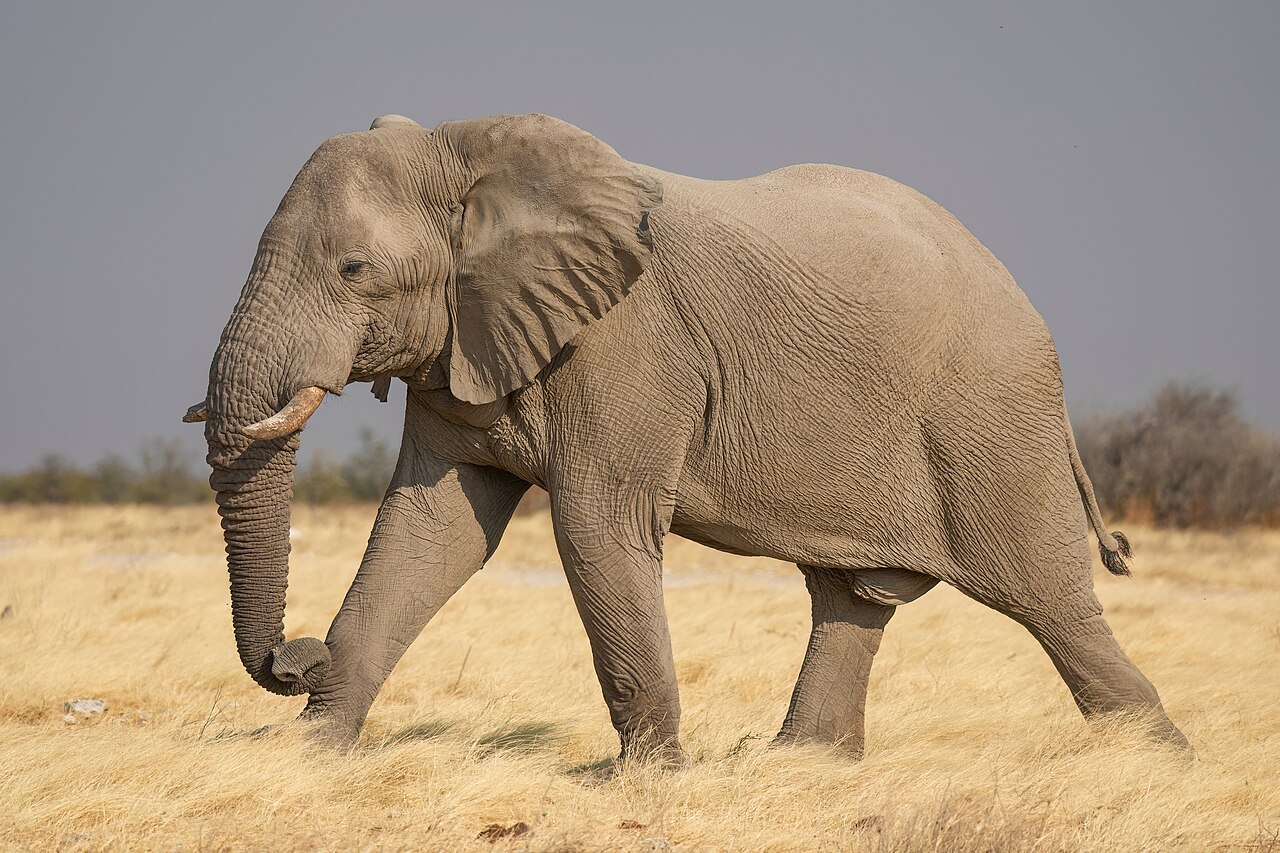
Este atlas elige un título de Wikipedia como imagen heroica y deja a la vista el resto del grado para que una población recuperada no lave a una prima En peligro crítico.
Life in the landscape
Pillar legs, a trunk of tens of thousands of muscle units, and tusks that are incisors. Heat dumps through ears; the brain is large and long-memoried.
A daily mass of grass, browse and bark. Engineers open woodland and dig wells that other species drink -- the ecological-role reason.
Cultura y significado
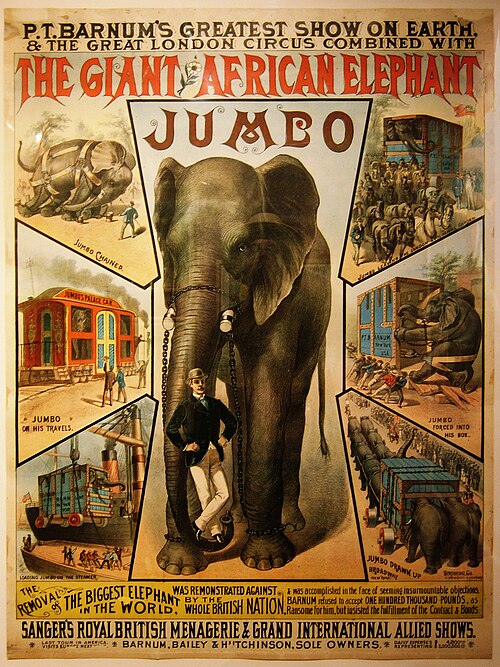
Cine, ley, heráldica, zoológicos y relato local encontraron a Elefante africano. Esas imágenes mueven dinero; no son un censo de campo.
El capítulo de cultura fecha carteles y leyes para que una película de 1975 o un logotipo de 1961 no finjan ser la Lista Roja de los años 2020.
Conservation and money
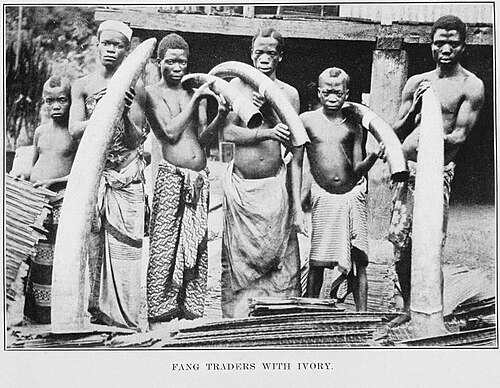
Savanna elephant Endangered (2021 assessment); forest elephant separately Critically Endangered. Ivory and habitat loss are the twin ledgers.
Tourism, conflict payments, quotas and captive loans are dated economic bands in the market chapter -- not live prices and not a best-species prize.
Inmersión de ciencias de la vida
Biología a fondo: Elefante africano
La biología de Elefante africano es una pila de estructura, energía, sentidos y límites. Los cuatro apartados usan los mismos títulos del atlas para comparar sin un marco de mejor especie.
Anatomía, sentidos, conducta y límites — más el lenguaje de campo de esta región.
Structure
Pillar legs, a trunk of tens of thousands of muscle units, and tusks that are incisors. Heat dumps through ears; the brain is large and long-memoried.
Load paths and tissues (not metals) are expanded in the anatomy chapter.
Energy and foraging
A daily mass of grass, browse and bark. Engineers open woodland and dig wells that other species drink -- the ecological-role reason.
The how-it-works diagrams reduce that budget to a six-node loop.
Senses and control
Infrasound rumbles, smell, and a trunk that is a hand. Musth rewrites male social smell.
Control here means the animal steering itself -- not a vehicle ECU.
Limits
Ivory price, fences, and maize. A full park does not cancel an EN assessment.
Resilience scores encode those limits relative to the other 23 types.
Four other atlas types, six terms, three threads and three local notes -- a map out of the Elefante africano page without leaving the 24-id taxonomy.
Especies relacionadas, términos, hilos adyacentes y notas regionales de este idioma.
Véase también
🦁LeónSavanna neighbour in the same tourist and conflict economy.
🐋Ballena azulAnother giant managed by a 20th-century international kill-then-ban arc.
🦍GorilaAfrican forest megafauna with a different social science (Fossey vs Moss).
🐅TigreAnother EN flagship whose national projects (India vs several African states) diverge.
Términos clave
CITES 1989 ban
International commercial ivory trade ban -- the year the maps changed, not the poaching.
Amboseli
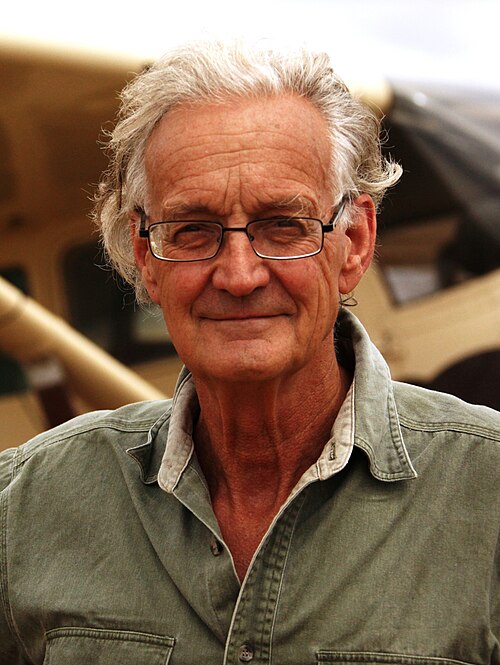
Cynthia Moss long-term study -- named matriarchs as data, not only stories.
Musth
Male testosterone and temporal-gland state that rewrites who may approach a female.
Tusker
Large-tusked bull; poaching selects against the trait.
Iain Douglas-Hamilton
Save the Elephants; aerial counts and later collar work.
Culling debate
Kruger and others -- density versus ethics, still unfinished.
Habitat and movement
Where the Elefante africano breeds and feeds is the first constraint. Single lakes, islands and forests appear again in the history timeline.
Range scores in this atlas mark how widely that movement runs -- albatross and blue whale high, koi and panda low -- not a quality ranking.
Research and law
Named projects (Project Tiger, ACAP, ICCAT, Amboseli) are the English-language bureaucracy of the type.
Listings and downlists are dated events in the timeline, not eternal essences.
Culture and price
Film, auction and logo years are filed under culture and market so they cannot masquerade as demography.
The icons chapter keeps eight real Wikipedia titles so a later language pack can attach the same faces.
Notas de campo visuales
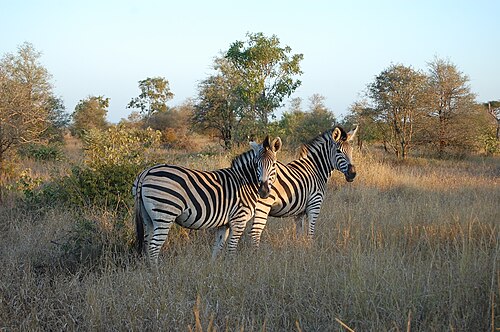
Fotos con licencia de esta especie — héroes, eras e iconos en un muro.
Giles LaurentGiles LaurentGiles LaurentOriginal: Ndovultome ; Derivative work: Nagae IkuUnknown via Fleming H. Revell CompanyUnknown author Unknown authorNithin bolar k
El perfil
Velocidad36
Inteligencia91
Área43
Resiliencia17
Impacto cultural79
Rol ecológico97
Fijar anatomía frente a conducta
Elija un sistema anatómico y un hecho de operación ya en esta página de especie. Un par de lectura — no un tablero de ganadores.
Ayuda de navegación de este atlas. La biología de campo y la ley local deciden cualquier encuentro real. Sin feed en vivo.
Why bush elephant, not African elephant in general?
The taxonomy wiki is African bush elephant. Forest elephants (L. cyclotis) were widely recognised as a separate EN/CR story in the 2021 IUCN assessments.
What did the 1989 ivory ban do?
It collapsed legal international commercial trade. Domestic markets, stockpiles and later one-off sales (2008) kept the argument alive. Poaching did not end in 1989.
Who is Cynthia Moss in this file?
Amboseli Elephant Research Project since 1972 -- matrilines with names and decades of calves, the opposite of an anonymous ivory graph.
Are elephants the highest ecological-role score for a reason?
They open woodland, dig water, disperse seeds and rewrite fire. In this 24-type atlas that engineer role outranks even wolves and whales.
What is musth?
A periodic male state with urine dribble, temporal secretion and aggression. It is physiology, not a mood.
Did Kruger culling end?
Large-scale culling paused in the 1990s. Contraception, range expansion and later density debates replaced it without a final peace.
Why is resilience low if some parks are full?
Local highs (Chobe, parts of Kruger) sit beside collapsed miombo and Sahel populations. EN is a continental mean, not a waterhole photo.
What did Joyce Poole add?
Elephant Voices work on rumble communication and later musth and de-tusking ethics -- a second Amboseli-adjacent science.
Rol, no un ganador
Alfabetización de conservación. No es una consulta IUCN en vivo.
Insertar este ranking
Pega este código en tu blog o web; el ranking se mantiene actualizado.
¡Copiado!
Especies similares
Vecinos más cercanos en los seis ejes — velocidad, inteligencia, área, resiliencia, cultura y rol ecológico.