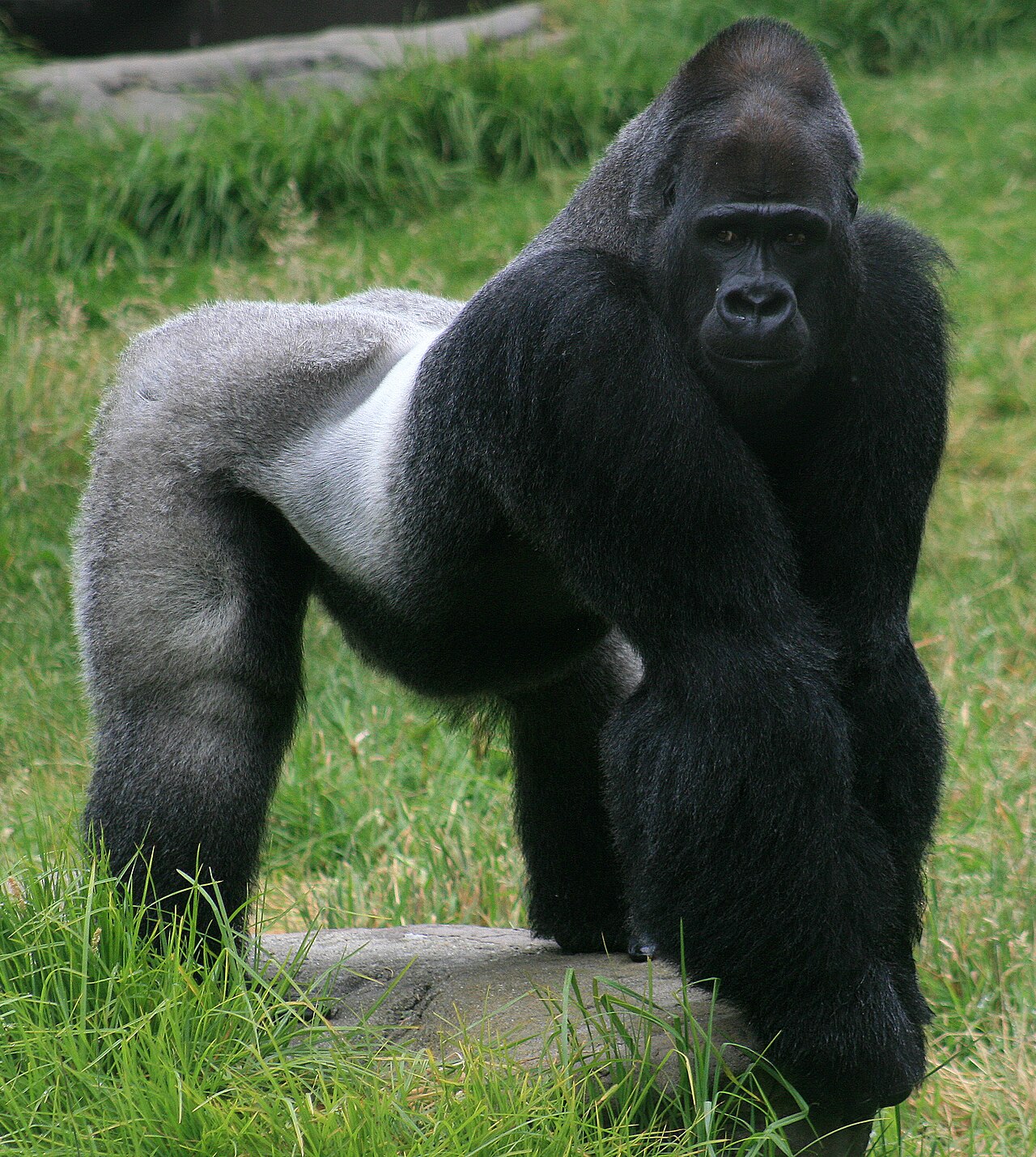
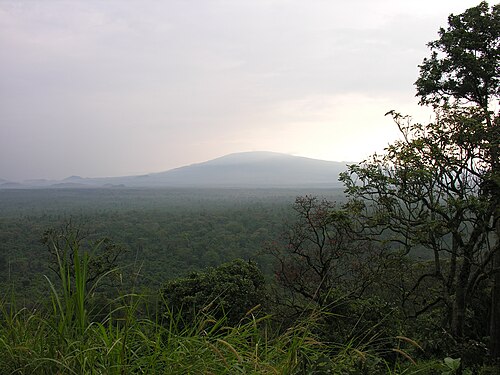
Gorila es una de las veinticuatro especies de este atlas. No es un catálogo: trata evolución, anatomía, conducta, cultura, iconos, conservación y área como un solo sistema.
Las puntuaciones comparan velocidad, inteligencia, área, resiliencia, impacto cultural y rol ecológico. Son juicios editoriales relativos, no un ranking de laboratorio.
Siete capítulos profundizan: orígenes, cuerpo y sentidos, vida y conducta, cultura, iconos, presión de conservación y el área que se comparte con la gente.
Introducción profunda
Inmersión: Gorila
Gorila no es un animal de postal. Es un conjunto de poblaciones, subespecies y reglas humanas dentro de la familia fauna de este atlas.
Diversidad, cuerpos, cultura y áreas — más una lente de esta región lingüística.
Diversidad dentro del tipo
Las guías de campo comprimen muchos linajes en la palabra Gorila. Subespecies, rutas y líneas cautivas no comparten un solo destino.
Este atlas elige un título de Wikipedia como imagen heroica y deja a la vista el resto del grado para que una población recuperada no lave a una prima En peligro crítico.
Life in the landscape
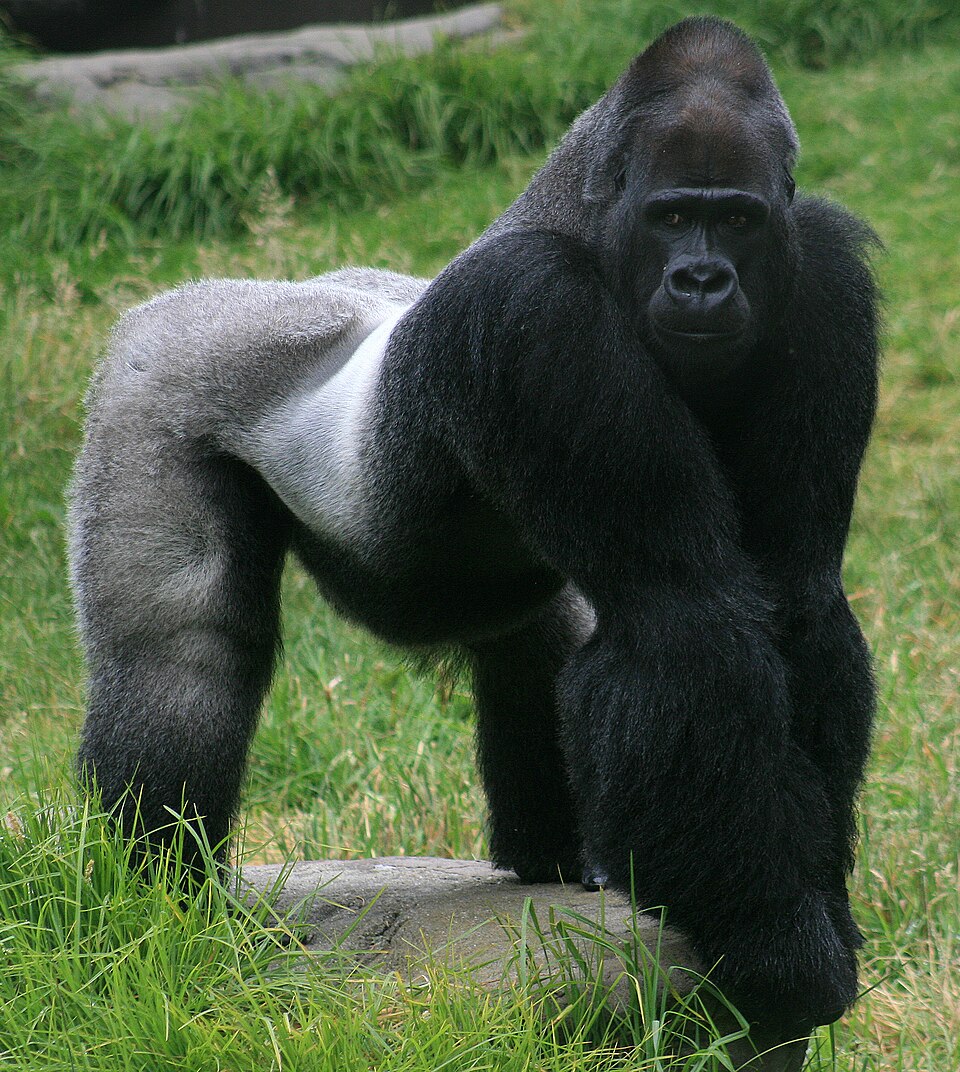
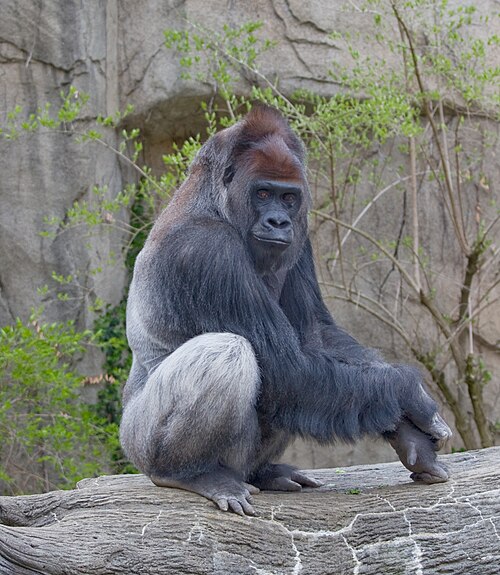
A massive knuckle-walker with a sagittal crest in males, a gut for fibrous plants, and nests built new each night. The atlas type is western; the silverback image is shared.
All-day herbivory -- fruit in western forests, more pith in some mountain diets. A CR ape is a slow calorie machine, not a hunter.
Cultura y significado
Cine, ley, heráldica, zoológicos y relato local encontraron a Gorila. Esas imágenes mueven dinero; no son un censo de campo.
El capítulo de cultura fecha carteles y leyes para que una película de 1975 o un logotipo de 1961 no finjan ser la Lista Roja de los años 2020.
Conservation and money
Western Gorila Critically Endangered; mountain Gorila (a different species, G. beringei) is Endangered after a guarded rebound. Resilience here follows the atlas type: CR.
Tourism, conflict payments, quotas and captive loans are dated economic bands in the market chapter -- not live prices and not a best-species prize.
Inmersión de ciencias de la vida
Biología a fondo: Gorila
La biología de Gorila es una pila de estructura, energía, sentidos y límites. Los cuatro apartados usan los mismos títulos del atlas para comparar sin un marco de mejor especie.
Anatomía, sentidos, conducta y límites — más el lenguaje de campo de esta región.
Structure
A massive knuckle-walker with a sagittal crest in males, a gut for fibrous plants, and nests built new each night. The atlas type is western; the silverback image is shared.
Load paths and tissues (not metals) are expanded in the anatomy chapter.
Energy and foraging
All-day herbivory -- fruit in western forests, more pith in some mountain diets. A CR ape is a slow calorie machine, not a hunter.
The how-it-works diagrams reduce that budget to a six-node loop.
Senses and control
Close social vision and smell. Intelligence here is ranked highest among the 24 for ape social learning -- still below a marketing superlative.
Control here means the animal steering itself -- not a vehicle ECU.
Limits
Ebola, bushmeat and logging. A mountain rebound is a different species. Lowest resilience in the atlas is a CR statement.
Resilience scores encode those limits relative to the other 23 types.
The taxonomy wiki is Western gorilla. Mountain gorillas are G. beringei, fewer, more filmed, and less CR. The atlas follows the listed type, not the movie.
Did Fossey study this type?
Karisoke watched mountain gorillas in Rwanda. The methods and the murder belong to that species; western gorillas have Mbeli Bai and different threats (Ebola, bushmeat).
What about Koko and language?
Francine Patterson project treated signs as words. Linguists remain split. The atlas files Koko as culture and a research programme, not as proof that wild western gorillas recite English.
Why the lowest resilience in the 24?
CR western gorillas plus Ebola, logging and hunt. Mountain gorilla rebound is real and is a different species card.
What is Mbeli Bai?
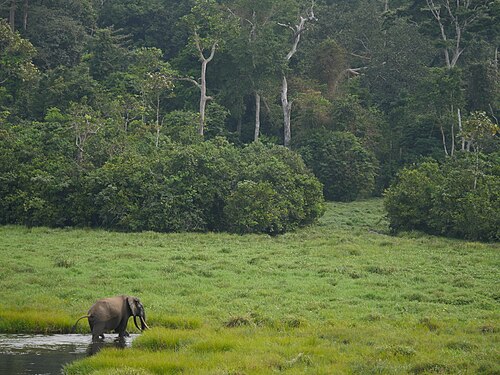
A forest clearing in Nouabale-Ndoki where western gorillas come for minerals -- a platform study that rarely makes a biopic.
Did Gorillas in the Mist help the type?
The 1988 film helped mountain gorilla tourism and the Fossey myth. Western lowland numbers kept falling on a different map.
Are zoos a sink or a tank?
Western lowland gorillas are the usual zoo gorilla. Captive groups do not replace Gabon and Congo forests.
Who was Digit?
A mountain gorilla poached in 1977. Fossey used the death to fund anti-poaching -- a mountain, not western, story that still titles books.
Rol, no un ganador
Alfabetización de conservación. No es una consulta IUCN en vivo.
Insertar este ranking
Pega este código en tu blog o web; el ranking se mantiene actualizado.
¡Copiado!
Especies similares
Vecinos más cercanos en los seis ejes — velocidad, inteligencia, área, resiliencia, cultura y rol ecológico.