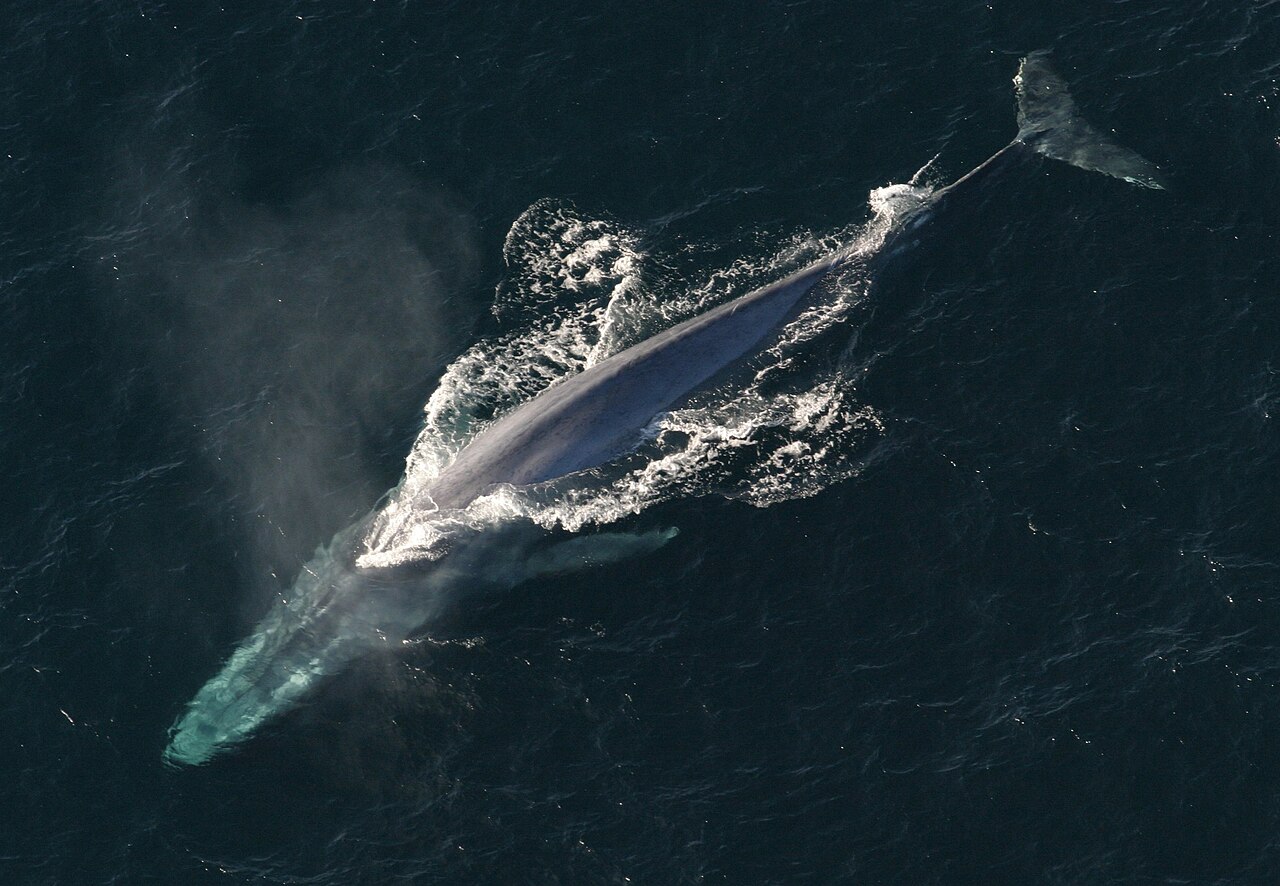
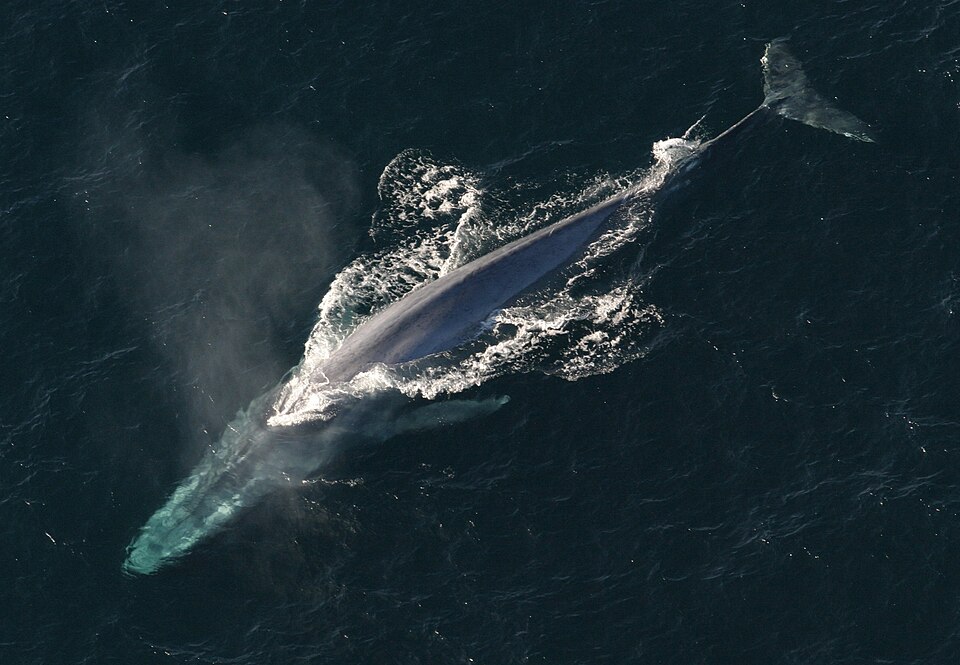
Ballena azul es una de las veinticuatro especies de este atlas. No es un catálogo: trata evolución, anatomía, conducta, cultura, iconos, conservación y área como un solo sistema.
Las puntuaciones comparan velocidad, inteligencia, área, resiliencia, impacto cultural y rol ecológico. Son juicios editoriales relativos, no un ranking de laboratorio.
Siete capítulos profundizan: orígenes, cuerpo y sentidos, vida y conducta, cultura, iconos, presión de conservación y el área que se comparte con la gente.
Introducción profunda
Inmersión: Ballena azul
Ballena azul no es un animal de postal. Es un conjunto de poblaciones, subespecies y reglas humanas dentro de la familia fauna de este atlas.
Diversidad, cuerpos, cultura y áreas — más una lente de esta región lingüística.
Diversidad dentro del tipo
Las guías de campo comprimen muchos linajes en la palabra Ballena azul. Subespecies, rutas y líneas cautivas no comparten un solo destino.
Este atlas elige un título de Wikipedia como imagen heroica y deja a la vista el resto del grado para que una población recuperada no lave a una prima En peligro crítico.
Life in the landscape
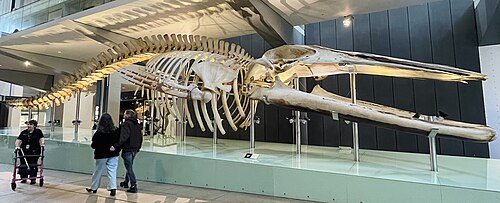
A rorqual with ventral pleats, a 3 m heart in the public myth (the real heart is smaller than the postcard), and baleen for krill. Size is a filter-feeding outcome.
Lunge-feeding on krill swarms -- the most expensive gulp, paid by the densest food. Fasting between polar summer and low-latitude winter.
Cultura y significado
Cine, ley, heráldica, zoológicos y relato local encontraron a Ballena azul. Esas imágenes mueven dinero; no son un censo de campo.
El capítulo de cultura fecha carteles y leyes para que una película de 1975 o un logotipo de 1961 no finjan ser la Lista Roja de los años 2020.
Conservation and money
Endangered. Some populations (California) are healthier; Antarctic blue whales remain a fraction of pre-whaling biomass.
Tourism, conflict payments, quotas and captive loans are dated economic bands in the market chapter -- not live prices and not a best-species prize.
Inmersión de ciencias de la vida
Biología a fondo: Ballena azul
La biología de Ballena azul es una pila de estructura, energía, sentidos y límites. Los cuatro apartados usan los mismos títulos del atlas para comparar sin un marco de mejor especie.
Anatomía, sentidos, conducta y límites — más el lenguaje de campo de esta región.
Structure
A rorqual with ventral pleats, a 3 m heart in the public myth (the real heart is smaller than the postcard), and baleen for krill. Size is a filter-feeding outcome.
Load paths and tissues (not metals) are expanded in the anatomy chapter.
Energy and foraging
Lunge-feeding on krill swarms -- the most expensive gulp, paid by the densest food. Fasting between polar summer and low-latitude winter.
The how-it-works diagrams reduce that budget to a six-node loop.
Senses and control
Low-frequency sound that crosses basins. Eyes are secondary in that budget.
Control here means the animal steering itself -- not a vehicle ECU.
Limits
A 1966 lock on a emptied south, and ships on the healthier coasts. EN is still the species card.
Resilience scores encode those limits relative to the other 23 types.
Some Northern Hemisphere stocks look better. Antarctic blues remain far below pre-whaling. EN is still the honest card.
What did 1966 change?
The IWC protected blue whales after the factory-ship years had already taken the Antarctic majority. Protection was a lock on an empty room in the south.
Is the 1982 moratorium a blue-whale law?
It is a commercial-whaling pause for many species. Blues were already protected; the moratorium is the political weather that kept factory ships from a sequel.
Why ecological role near the top?
A blue whale eats tonnes of krill and returns nutrients in faecal plumes; a fall feeds the benthos. In this atlas that pump outranks most terrestrial carnivores except elephants and wolves.
Did Roger Payne study blues?
Payne whale-song fame is mostly humpback. Blue-whale acoustics (low-frequency pulses) are a later Navy-and-NOAA file.
What is a pygmy blue whale?
A southern subspecies/form -- smaller, still EN, often confused in catch histories.
Are ship strikes the new harpoon?
In some coastal stocks (Sri Lanka, California) yes -- a recovery problem that 1966 did not imagine.
Why cultural impact below tiger and lion?
Save the Whales was huge; lions and tigers still win flags and millennia of art. Scores are relative across 24, not a concert-poster contest.
Rol, no un ganador
Alfabetización de conservación. No es una consulta IUCN en vivo.
Insertar este ranking
Pega este código en tu blog o web; el ranking se mantiene actualizado.
¡Copiado!
Especies similares
Vecinos más cercanos en los seis ejes — velocidad, inteligencia, área, resiliencia, cultura y rol ecológico.