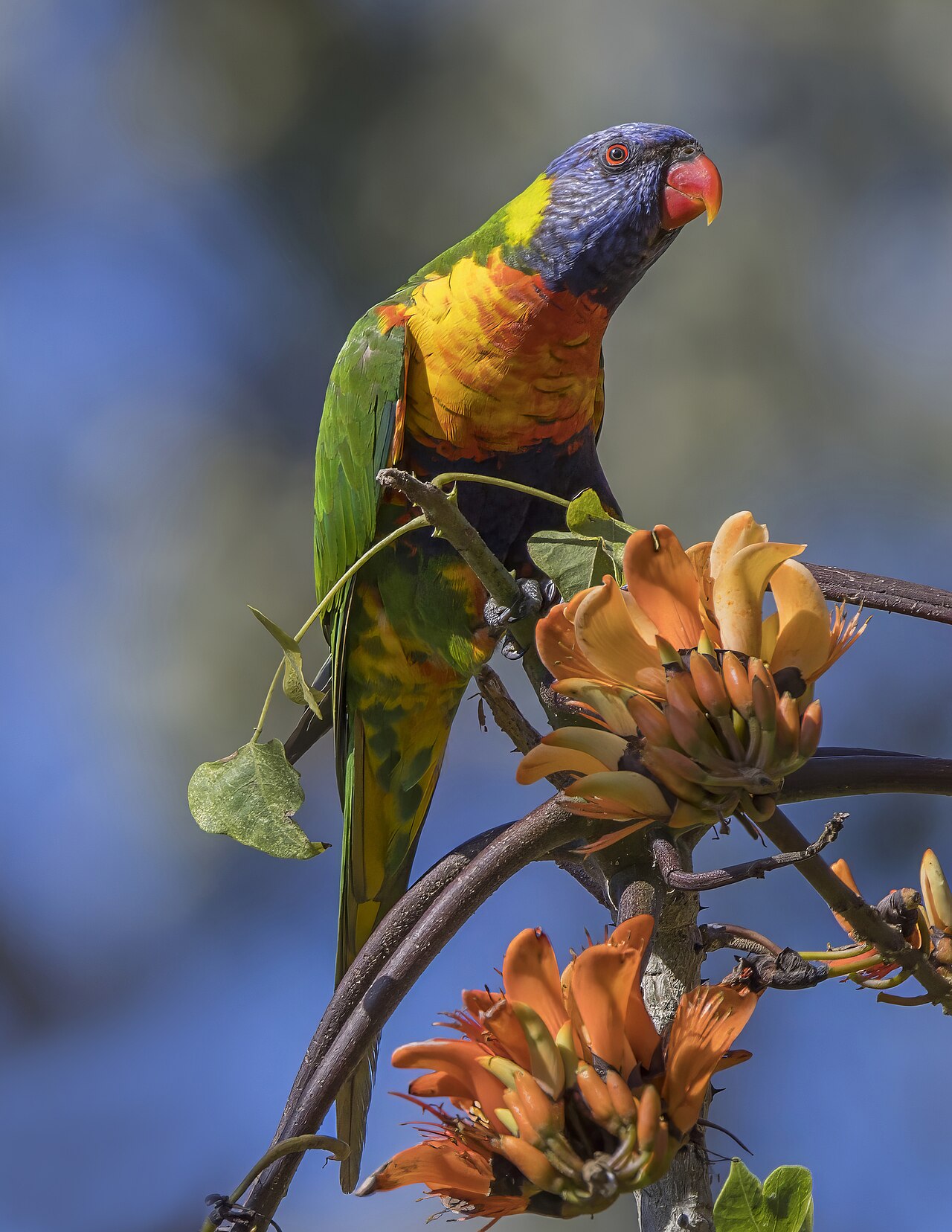
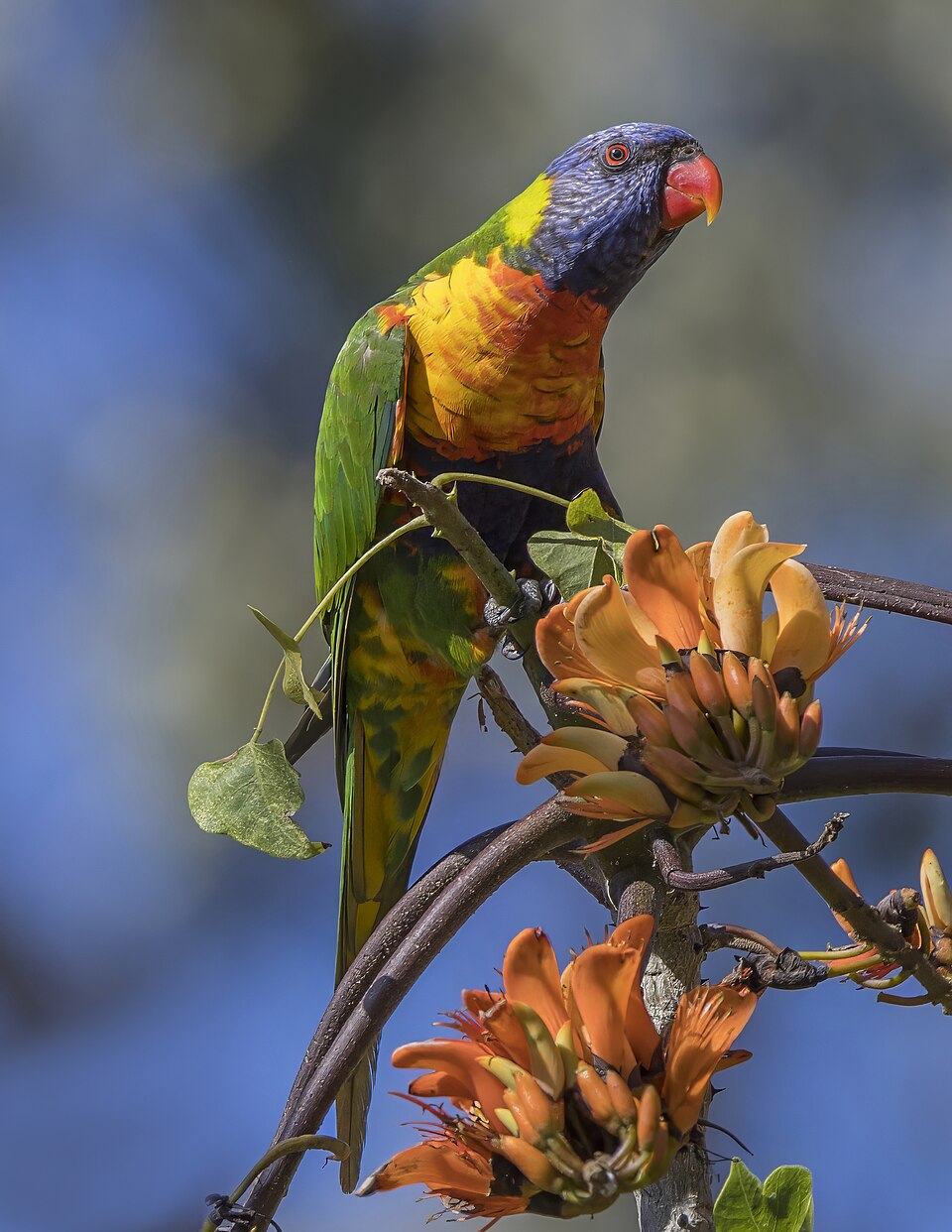
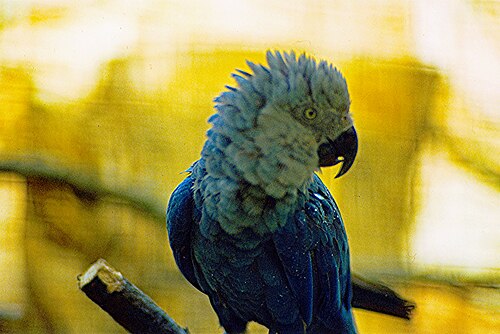
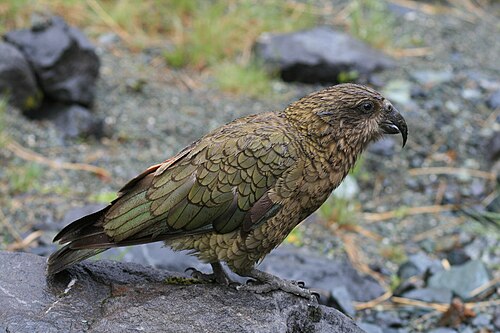
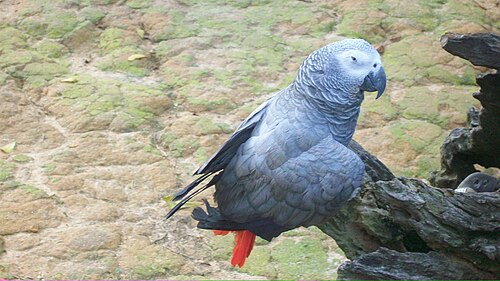
Loro es una de las veinticuatro especies de este atlas. No es un catálogo: trata evolución, anatomía, conducta, cultura, iconos, conservación y área como un solo sistema.
Las puntuaciones comparan velocidad, inteligencia, área, resiliencia, impacto cultural y rol ecológico. Son juicios editoriales relativos, no un ranking de laboratorio.
Siete capítulos profundizan: orígenes, cuerpo y sentidos, vida y conducta, cultura, iconos, presión de conservación y el área que se comparte con la gente.
Introducción profunda
Inmersión: Loro
Loro no es un animal de postal. Es un conjunto de poblaciones, subespecies y reglas humanas dentro de la familia aves de este atlas.
Diversidad, cuerpos, cultura y áreas — más una lente de esta región lingüística.
Diversidad dentro del tipo
Las guías de campo comprimen muchos linajes en la palabra Loro. Subespecies, rutas y líneas cautivas no comparten un solo destino.
Este atlas elige un título de Wikipedia como imagen heroica y deja a la vista el resto del grado para que una población recuperada no lave a una prima En peligro crítico.
Life in the landscape
A kinetic upper mandible, zygodactyl feet and a muscular tongue. The skull is built to crack and to climb; the syrinx is built to learn.
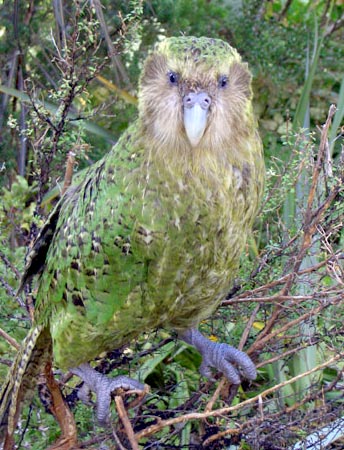
Fruits, seeds, nectar and clay licks. Large macaws commute to palm stands; kakapo browse night vegetation on a low metabolic budget.
Cultura y significado
Cine, ley, heráldica, zoológicos y relato local encontraron a Loro. Esas imágenes mueven dinero; no son un censo de campo.
El capítulo de cultura fecha carteles y leyes para que una película de 1975 o un logotipo de 1961 no finjan ser la Lista Roja de los años 2020.
Conservation and money
African greys, macaws and kakapo sit on the threatened side; some urban parakeets are booming.
Tourism, conflict payments, quotas and captive loans are dated economic bands in the market chapter -- not live prices and not a best-species prize.
Inmersión de ciencias de la vida
Biología a fondo: Loro
La biología de Loro es una pila de estructura, energía, sentidos y límites. Los cuatro apartados usan los mismos títulos del atlas para comparar sin un marco de mejor especie.
Anatomía, sentidos, conducta y límites — más el lenguaje de campo de esta región.
Structure
A kinetic upper mandible, zygodactyl feet and a muscular tongue. The skull is built to crack and to climb; the syrinx is built to learn.
Load paths and tissues (not metals) are expanded in the anatomy chapter.
Energy and foraging
Fruits, seeds, nectar and clay licks. Large macaws commute to palm stands; kakapo browse night vegetation on a low metabolic budget.
The how-it-works diagrams reduce that budget to a six-node loop.
Senses and control
High visual acuity and UV plumage signals. Vocal learning is the social sense that made the cage trade inevitable.
Control here means the animal steering itself -- not a vehicle ECU.
Limits
Cavity trees and legal trade loopholes. Long lives in cages do not replace wild recruitment.
Resilience scores encode those limits relative to the other 23 types.
Irene Pepperberg’s papers treated English tokens as categories, not circus tricks. Alex (1976–2007) identified colours, shapes and same/different above chance. The debate is about the ceiling, not whether the tasks happened.
Why did African greys move to CITES Appendix I in 2017?
Wild capture for pets plus forest loss cut Psittacus erithacus. Appendix I ended most commercial international trade in wild greys.
What is the kakapo recovery model?
Every Strigops is named and managed on predator-free New Zealand islands. Supplementary feeding and nest cameras make it closer to intensive care than to a hands-off reserve.
Are London’s ring-necked parakeets a conservation win?
They are an introduced boom, not a restored native. Cavity competition with starlings and bats is the local argument.
Why do so many macaws remain threatened?
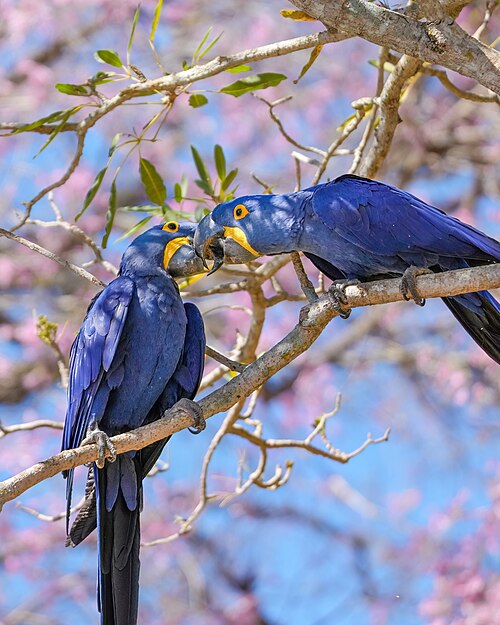
Cavity trees come down with forest. The pet trade added a second cut. Spix’s macaw went extinct in the wild before a 2019–20s reintroduction attempt in Bahia.
Do parrots “talk” in the wild?
They learn contact calls in flocks. Human-word mimicry is the lab and living-room version of a general vocal-learning kit shared with songbirds and hummingbirds.
What did the World Parrot Trust change?
Since 1989 it funded trade research, in-situ projects and the journal PsittaScene — a counterweight to avicultural magazines.
Is a hooked bill only for cracking?
Kea pry, lories brush nectar, and hyacinth macaws crack palm nuts. The bill is a Swiss-army kinetic tool, not a single nutcracker.
Rol, no un ganador
Alfabetización de conservación. No es una consulta IUCN en vivo.
Insertar este ranking
Pega este código en tu blog o web; el ranking se mantiene actualizado.
¡Copiado!
Especies similares
Vecinos más cercanos en los seis ejes — velocidad, inteligencia, área, resiliencia, cultura y rol ecológico.