Colibrí es una de las veinticuatro especies de este atlas. No es un catálogo: trata evolución, anatomía, conducta, cultura, iconos, conservación y área como un solo sistema.
Las puntuaciones comparan velocidad, inteligencia, área, resiliencia, impacto cultural y rol ecológico. Son juicios editoriales relativos, no un ranking de laboratorio.
Siete capítulos profundizan: orígenes, cuerpo y sentidos, vida y conducta, cultura, iconos, presión de conservación y el área que se comparte con la gente.
Introducción profunda
Inmersión: Colibrí
Colibrí no es un animal de postal. Es un conjunto de poblaciones, subespecies y reglas humanas dentro de la familia aves de este atlas.
Diversidad, cuerpos, cultura y áreas — más una lente de esta región lingüística.
Diversidad dentro del tipo
Las guías de campo comprimen muchos linajes en la palabra Colibrí. Subespecies, rutas y líneas cautivas no comparten un solo destino.
Este atlas elige un título de Wikipedia como imagen heroica y deja a la vista el resto del grado para que una población recuperada no lave a una prima En peligro crítico.
Life in the landscape
A tiny fuselage, a long bill and a shoulder joint that lets the wing invert. Pectoralis and supracoracoideus are both huge for the upstroke’s lift.
Nectar sugars plus insect protein. Hovering is among the costliest vertebrate gaits; torpor is the nightly rebate.
Cultura y significado
Cine, ley, heráldica, zoológicos y relato local encontraron a Colibrí. Esas imágenes mueven dinero; no son un censo de campo.
El capítulo de cultura fecha carteles y leyes para que una película de 1975 o un logotipo de 1961 no finjan ser la Lista Roja de los años 2020.
Conservation and money
Most continental species are Least Concern; island and cloud-forest endemics carry the Red List weight.
Tourism, conflict payments, quotas and captive loans are dated economic bands in the market chapter -- not live prices and not a best-species prize.
Inmersión de ciencias de la vida
Biología a fondo: Colibrí
La biología de Colibrí es una pila de estructura, energía, sentidos y límites. Los cuatro apartados usan los mismos títulos del atlas para comparar sin un marco de mejor especie.
Anatomía, sentidos, conducta y límites — más el lenguaje de campo de esta región.
Structure
A tiny fuselage, a long bill and a shoulder joint that lets the wing invert. Pectoralis and supracoracoideus are both huge for the upstroke’s lift.
Load paths and tissues (not metals) are expanded in the anatomy chapter.
Energy and foraging
Nectar sugars plus insect protein. Hovering is among the costliest vertebrate gaits; torpor is the nightly rebate.
The how-it-works diagrams reduce that budget to a six-node loop.
Senses and control
Colour vision into the near-ultraviolet helps flower finding. Spatial memory of traplines is the cognitive load.
Control here means the animal steering itself -- not a vehicle ECU.
Limits
Gram-scale fat stores and weather windows bound migration. Island endemics have nowhere to shift when scrub is cleared.
Resilience scores encode those limits relative to the other 23 types.
Four other atlas types, six terms, three threads and three local notes -- a map out of the Colibrí page without leaving the 24-id taxonomy.
Especies relacionadas, términos, hilos adyacentes y notas regionales de este idioma.
Véase también
🦩FlamencoAnother bird whose diet paints the body — nectar vs brine shrimp.
🪽AlbatrosOpposite wing: hover specialist vs dynamic soarer.
🐴Caballito de marAnother hovering feeder that looks delicate and is metabolically expensive.
🦜LoroNeotropical canopy neighbour with a different social intelligence.
Términos clave
Figure-eight stroke
Wing-tip path that makes lift on both down and upstroke — the hover trick.
Torpor
Night-time metabolic drop that keeps a 3 g bird from starving before dawn.
Gorget
Iridescent throat patch in many males — angle-dependent, not pigment-only.
Trapline
Repeated nectar circuit of scattered flowers, as opposed to a defended patch.
Bee Colibrí
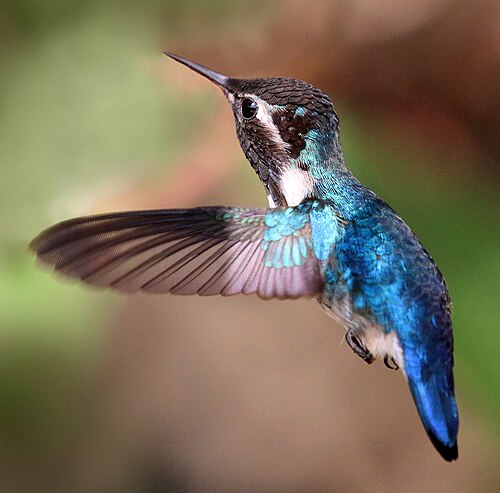
Mellisuga helenae — smallest living bird, Cuban endemic.
Gulf crossing
Ruby-throated nonstop flight over the Gulf of Mexico on spring and autumn migration.
Habitat and movement
Where the Colibrí breeds and feeds is the first constraint. Single lakes, islands and forests appear again in the history timeline.
Range scores in this atlas mark how widely that movement runs -- albatross and blue whale high, koi and panda low -- not a quality ranking.
Research and law
Named projects (Project Tiger, ACAP, ICCAT, Amboseli) are the English-language bureaucracy of the type.
Listings and downlists are dated events in the timeline, not eternal essences.
Culture and price
Film, auction and logo years are filed under culture and market so they cannot masquerade as demography.
The icons chapter keeps eight real Wikipedia titles so a later language pack can attach the same faces.
Notas de campo visuales
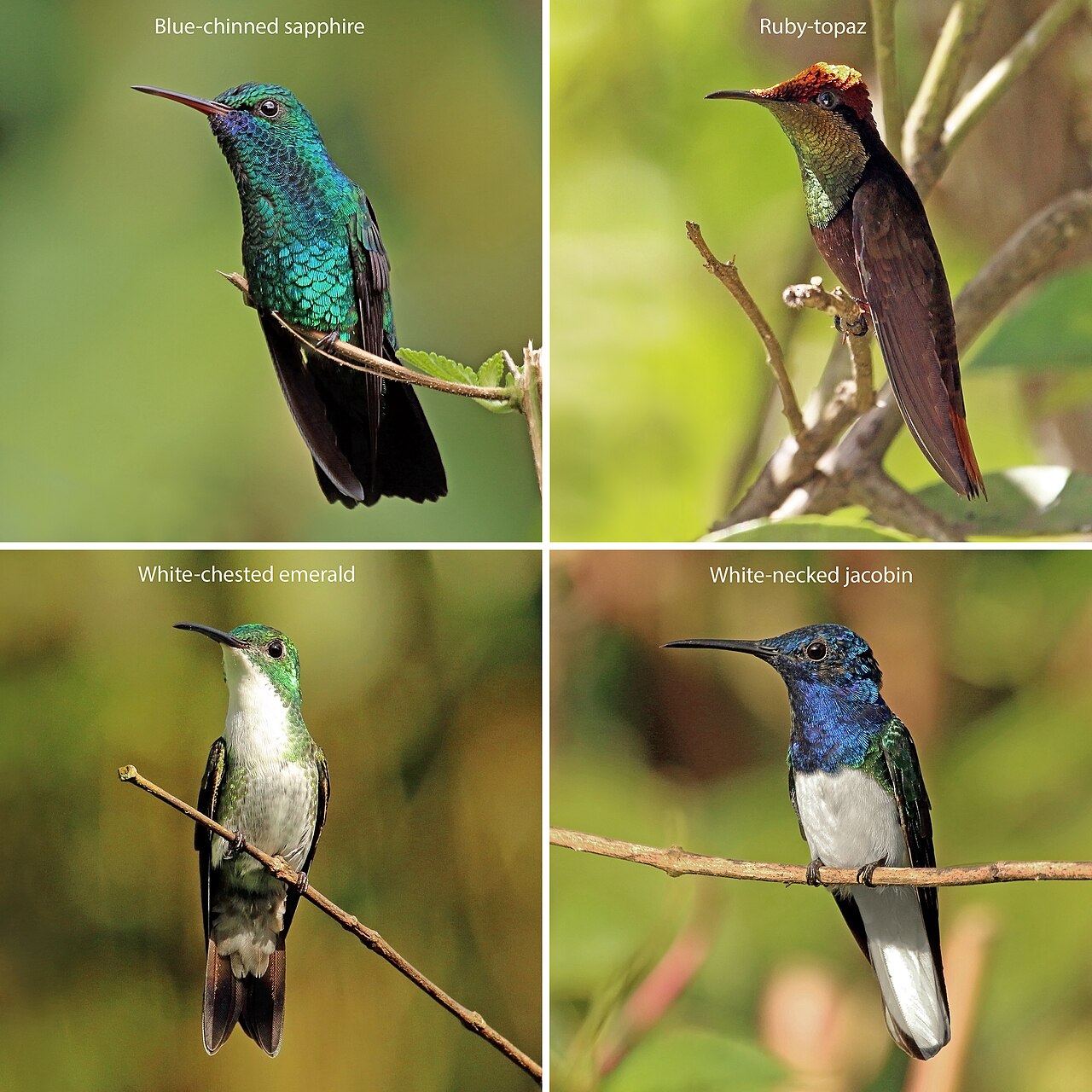
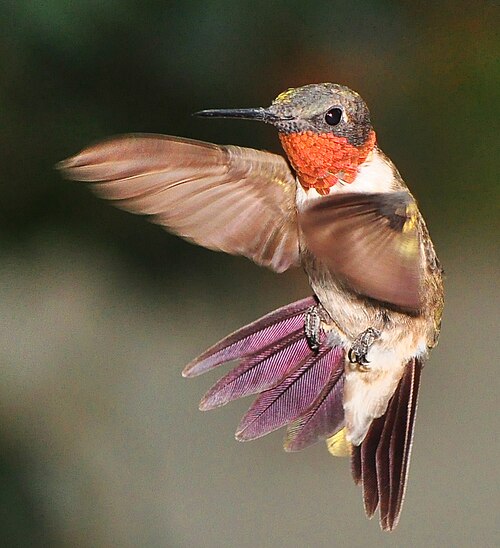
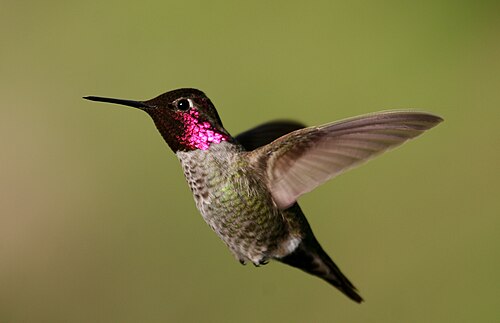
Fotos con licencia de esta especie — héroes, eras e iconos en un muro.
Charles J. SharpCharles J. SharpjeffreywRobert McMorran, United States Fish and Wildlife ServiceAndy Morffew from Itchen Abbas, Hampshire, UKCharles J. SharpUnknown authorNate Lee
El perfil
Velocidad91
Inteligencia48
Área58
Resiliencia73
Impacto cultural34
Rol ecológico76
Fijar anatomía frente a conducta
Elija un sistema anatómico y un hecho de operación ya en esta página de especie. Un par de lectura — no un tablero de ganadores.
Ayuda de navegación de este atlas. La biología de campo y la ley local deciden cualquier encuentro real. Sin feed en vivo.
How can a hummingbird hover when other birds cannot?
The shoulder allows a nearly horizontal figure-eight. Lift on the upstroke as well as the downstroke pays the hover bill that a typical avian stroke cannot.
Do hummingbirds live on sugar water alone?
No. Nectar is fuel. Arthropods supply protein, especially for chicks. Feeders that omit insects do not replace a territory.
How does a 3-gram bird cross the Gulf of Mexico?
Ruby-throated hummingbirds fatten, then fly 800+ km nonstop. Tailwinds and a high mass-specific power output make the crossing possible, not a rest on ships.
What is torpor in hummingbirds?
A controlled drop in body temperature and metabolic rate overnight. Without it, many species would exhaust nectar stores before sunrise.
Are hummingbirds only tropical?
Diversity peaks in the Andes. Anna’s hummingbirds now winter in Vancouver gardens; ruby-throated breed to southern Canada.
Who first illustrated hummingbirds for Europe?
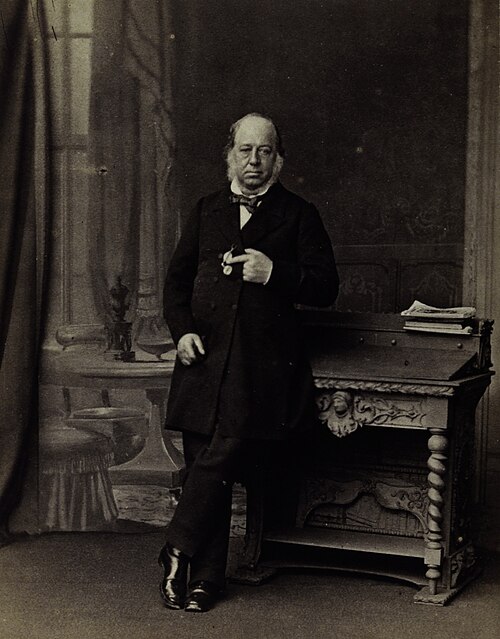
John Gould’s 19th-century monographs and skins made trochilids a Victorian craze — with a collecting cost that modern field work still cites.
Why do some species have bills longer than the head?
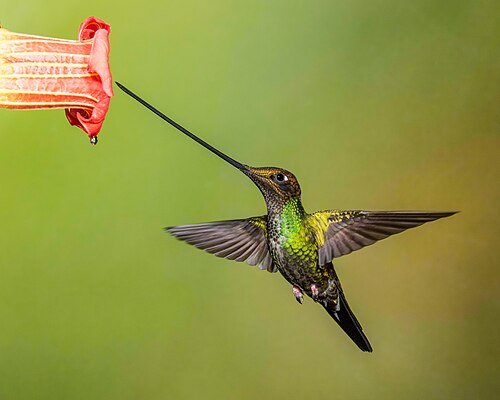
Sword-billed hummingbirds match 10–14 cm bills to Datura and Passiflora corollas — a coevolution exhibit, not an ornament.
Is feeder sugar a conservation tool?
Feeders help watchers and some urban birds. Habitat corridors and native tubular plants decide whether migrants still find the Gulf’s far shore.
Rol, no un ganador
Alfabetización de conservación. No es una consulta IUCN en vivo.
Insertar este ranking
Pega este código en tu blog o web; el ranking se mantiene actualizado.
¡Copiado!
Especies similares
Vecinos más cercanos en los seis ejes — velocidad, inteligencia, área, resiliencia, cultura y rol ecológico.