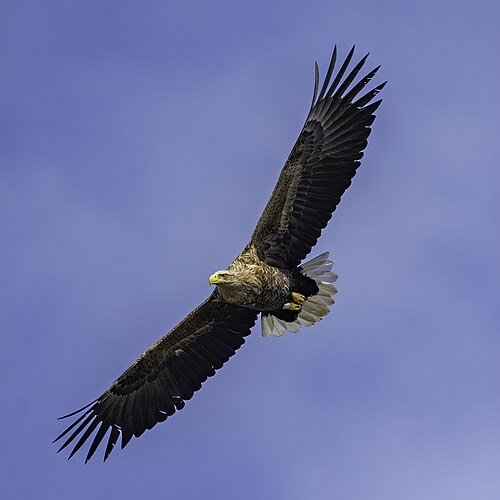
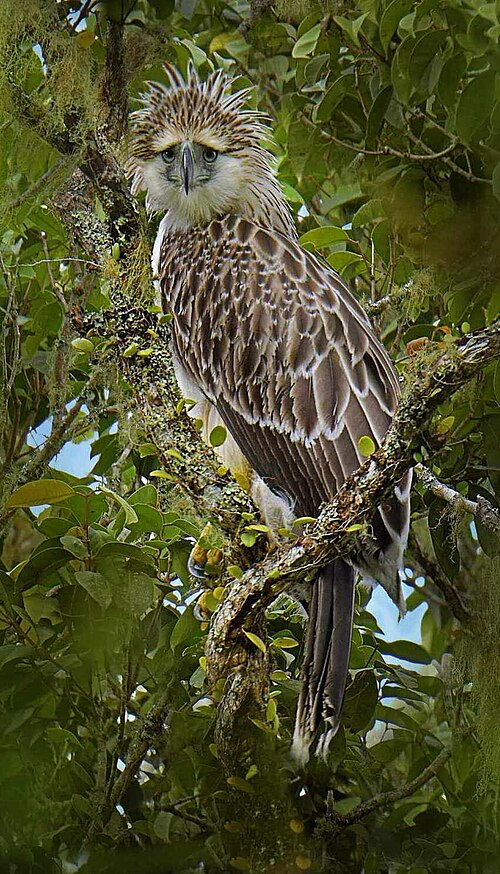
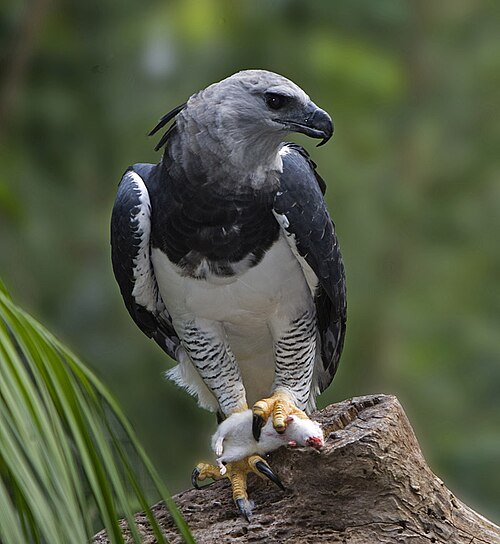
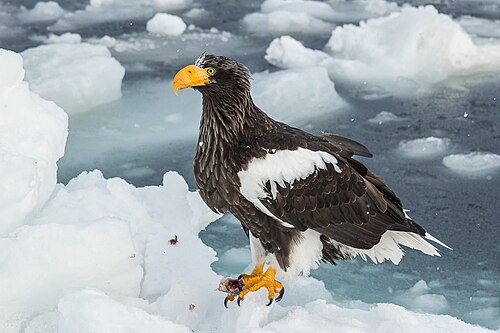
Águila es una de las veinticuatro especies de este atlas. No es un catálogo: trata evolución, anatomía, conducta, cultura, iconos, conservación y área como un solo sistema.
Las puntuaciones comparan velocidad, inteligencia, área, resiliencia, impacto cultural y rol ecológico. Son juicios editoriales relativos, no un ranking de laboratorio.
Siete capítulos profundizan: orígenes, cuerpo y sentidos, vida y conducta, cultura, iconos, presión de conservación y el área que se comparte con la gente.
Introducción profunda
Inmersión: Águila
Águila no es un animal de postal. Es un conjunto de poblaciones, subespecies y reglas humanas dentro de la familia aves de este atlas.
Diversidad, cuerpos, cultura y áreas — más una lente de esta región lingüística.
Diversidad dentro del tipo
Las guías de campo comprimen muchos linajes en la palabra Águila. Subespecies, rutas y líneas cautivas no comparten un solo destino.
Este atlas elige un título de Wikipedia como imagen heroica y deja a la vista el resto del grado para que una población recuperada no lave a una prima En peligro crítico.
La vida en el paisaje.
Un carpometacarpo fusionado, grandes garras unguales y un pico ganchudo definen el kit de matanza. Las águilas marinas añaden un tarso más pesado a los peces; Las águilas calzadas añaden tarsos emplumados como presas frías y de mamíferos.
Siéntete y espera en una posición imponente, luego una breve persecución motorizada o una larga inclinación. El cleptoparasitismo de las águilas pescadoras ahorra energía de caza en los ríos salmoneros.
Cultura y significado
Cine, ley, heráldica, zoológicos y relato local encontraron a Águila. Esas imágenes mueven dinero; no son un censo de campo.
El capítulo de cultura fecha carteles y leyes para que una película de 1975 o un logotipo de 1961 no finjan ser la Lista Roja de los años 2020.
Conservación y dinero
Bald Águila recuperó la categoría de Preocupación Menor después de su exclusión de la lista en 2007; El Águila filipino sigue en peligro crítico.
El turismo, los pagos por conflictos, las cuotas y los préstamos cautivos son bandas económicas anticuadas en el capítulo del mercado, no precios en vivo ni premios a la mejor especie.
Inmersión de ciencias de la vida
Biología a fondo: Águila
La biología de Águila es una pila de estructura, energía, sentidos y límites. Los cuatro apartados usan los mismos títulos del atlas para comparar sin un marco de mejor especie.
Anatomía, sentidos, conducta y límites — más el lenguaje de campo de esta región.
Estructura
Un carpometacarpo fusionado, grandes garras unguales y un pico ganchudo definen el kit de matanza. Las águilas marinas añaden un tarso más pesado a los peces; Las águilas calzadas añaden tarsos emplumados como presas frías y de mamíferos.
Las rutas de carga y los tejidos (no metales) se amplían en el capítulo de anatomía.
Energia y busqueda de alimentos
Siéntete y espera en una posición imponente, luego una breve persecución motorizada o una larga inclinación. El cleptoparasitismo de las águilas pescadoras ahorra energía de caza en los ríos salmoneros.
Los diagramas de cómo funciona reducen ese presupuesto a un bucle de seis nodos.
Sentidos y control
Una fóvea densa con células cónicas permite una detección de presas de alta agudeza a distancia. Las gotas de aceite y un pecten oculi son los extras ópticos habituales en las aves.
Controlar aquí significa que el animal se dirige a sí mismo, no la ECU del vehículo.
Límites
La carga alar limita la persecución con dosel cerrado. El plomo, los rodenticidas y las aspas de las turbinas son techos modernos que las garras no pueden resolver.
Las evaluaciones de resiliencia codifican esos límites en relación con los otros 23 tipos.
Otros cuatro tipos de atlas, seis términos, tres hilos y tres notas locales: un mapa sacado de la página de Águila sin salir de la taxonomía de 24 id.
Especies relacionadas, términos, hilos adyacentes y notas regionales de este idioma.
Véase también
🦉BúhoRapaz nocturno en redes alimentarias forestales y de roedores superpuestas.
🪽AlbatrosPlaneador de ala larga: geometría diferente de caza en el océano o en acantilados.
🐅TigreVértice terrestre que ocupa el mismo espacio cultural de “cazador real”.
🦁LeónDepredador con emblema nacional emparejado con águilas en focas y banderas.
Términos clave
Agacharse
Buceo a alta velocidad con las alas plegadas: las águilas reales han sido cronometradas a más de 240 km/h en vuelos entrenados.
Águila
Género de “verdaderas águilas”: linajes dorado, imperial y de cola de cuña.
Haliaeetus
El género Sea-Águila (calvo, de cola blanca y de Steller) a menudo se alimenta primero de peces.
Águilas
Nidos en acantilados o en superdosel reutilizados durante décadas; algunos superan los dos metros de ancho.
cleptoparasitismo
Robo de alimentos: las águilas calvas roban habitualmente a las águilas pescadoras en los ríos salmoneros.
Adelgazamiento de la cáscara de huevo con DDT
El mecanismo de colapso de las décadas de 1960 y 1970 se revirtió después de la prohibición del DDT en Estados Unidos en 1972.
Hábitat y movimiento
El lugar donde se reproduce y se alimenta el Águila es la primera limitación. Lagos, islas y bosques individuales aparecen nuevamente en la línea de tiempo histórico.
Las calificaciones de rango en este atlas marcan la amplitud de ese movimiento (albatros y ballena azul en alto, koi y panda en bajo), no una clasificación de calidad.
Investigación y derecho
Los proyectos nombrados (Proyecto Tigre, ACAP, ICCAT, Amboseli) son la burocracia en inglés de este tipo.
Los listados y las listas descendientes son eventos fechados en la línea de tiempo, no esencias eternas.
Cultura y precio
Los años de películas, subastas y logotipos se clasifican bajo cultura y mercado para que no puedan disfrazarse de demografía.
El capítulo de iconos mantiene ocho títulos reales de Wikipedia para que un paquete de idioma posterior pueda adjuntar las mismas caras.
Notas de campo visuales
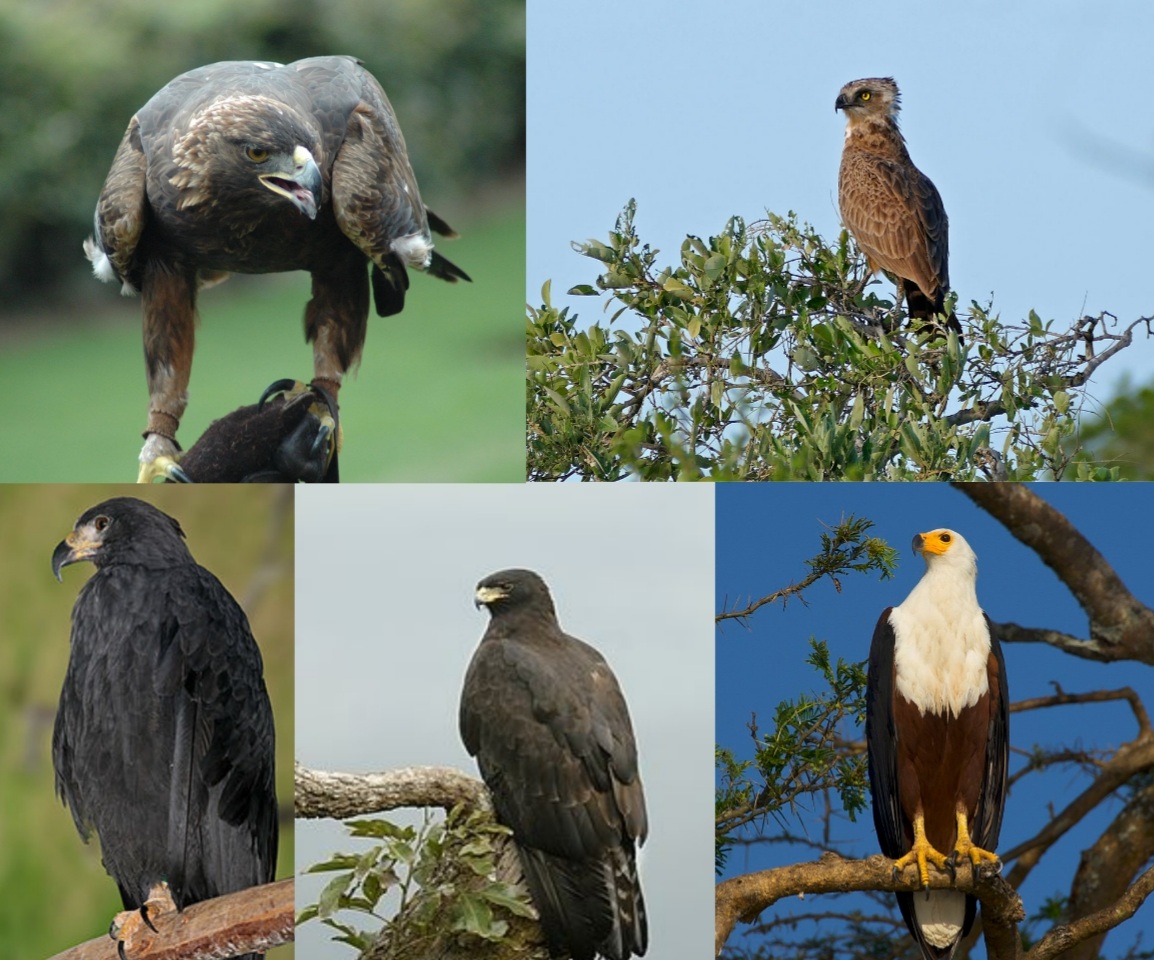
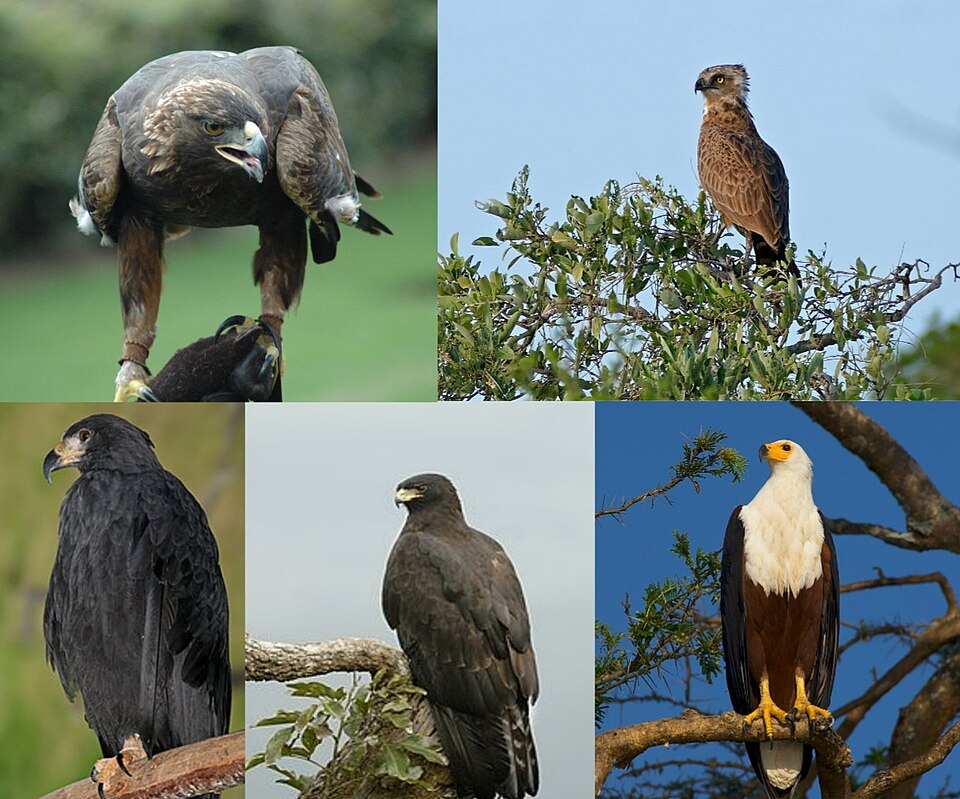
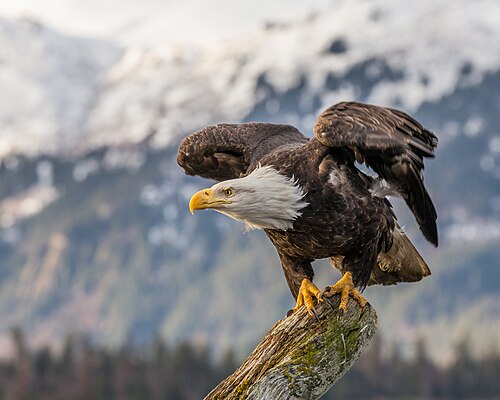
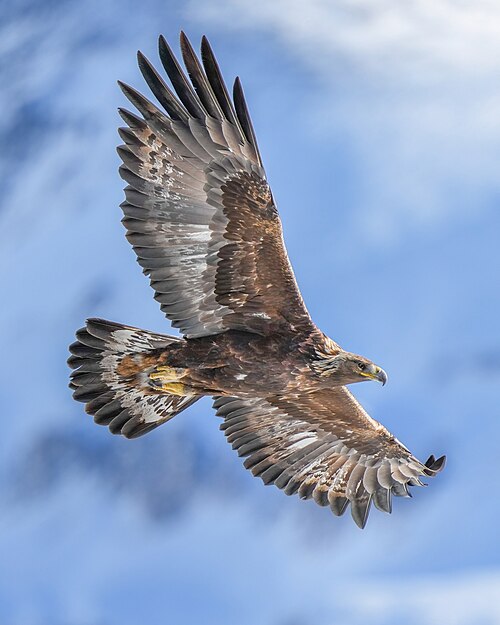
Fotos con licencia de esta especie — héroes, eras e iconos en un muro.
User:Punetor i Rregullt5User:Punetor i Rregullt5Andy Morffew from Itchen Abbas, Hampshire, UKGiles LaurentBengt Nyman from Vaxholm, SwedenAimee ValenciaU.S. Fish and Wildlife Servicehttp://www.birdphotos.comMichael Pinczolits
El perfil
Velocidad84
Inteligencia63
Área72
Resiliencia66
Impacto cultural91
Rol ecológico73
Fijar anatomía frente a conducta
Elija un sistema anatómico y un hecho de operación ya en esta página de especie. Un par de lectura — no un tablero de ganadores.
Ayuda de navegación de este atlas. La biología de campo y la ley local deciden cualquier encuentro real. Sin feed en vivo.
¿Por qué las águilas calvas muestran la cabeza blanca sólo en la edad adulta?
La cabeza y la cola blanca suelen aparecer después de cuatro o cinco años. Los juveniles tienen manchas de color marrón, lo que reduce los errores históricos en los censos invernales.
¿A qué velocidad se agacha Águila en comparación con un vuelo nivelado?
La velocidad de crucero nivelada para las águilas grandes suele ser de 50 a 80 km/h. Un porche de caza es un régimen diferente: se han filmado águilas reales entrenadas a más de 240 km/h.
¿El DDT casi acabó con las águilas calvas norteamericanas?
En 1963, el recuento de los 48 inferiores era de unas 417 parejas anidadas. La prohibición del DDT de 1972 más la protección de la Ley de Especies en Peligro de Extinción precedió a la exclusión de la lista de 2007.
¿Las especies “Águila” son un linaje?
No. “Águila” es un grado dentro de Accipitridae. Las águilas marinas (Haliaeetus) y las águilas calzadas (Aquila) se separaron hace decenas de millones de años.
¿Por qué el Águila filipino es una historia de conservación diferente?
Pithecophaga jefferyi es una especie endémica del interior del bosque con quizás unos pocos cientos de adultos. La tala y la caza, sin el adelgazamiento de la cáscara del huevo, dominan la lista de amenazas.
¿Las águilas se aparecen de por vida?
Muchas parejas son socialmente monógamas y reutilizan nidos, pero están documentados el comportamiento de otras parejas y el reemplazo de pareja después del fracaso del nido.
¿Qué comen las águilas de cola blanca durante la reintroducción en el Reino Unido?
Predominan los peces, las aves marinas y la carroña. Las publicaciones de Isle of Mull e Isle of Wight (de los programas de 1975 y 2019) rastrean las quejas por pérdida de ovejas en comparación con los datos reales de la dieta.
¿El calvo Águila es sólo un pájaro estadounidense?
La reproducción se extiende desde Alaska hasta el norte de México y ambas costas de Canadá. La recuperación estadounidense es el capítulo famoso, no todo el espectro.
Rol, no un ganador
Alfabetización de conservación. No es una consulta IUCN en vivo.
Insertar este ranking
Pega este código en tu blog o web; el ranking se mantiene actualizado.
¡Copiado!
Especies similares
Vecinos más cercanos en los seis ejes — velocidad, inteligencia, área, resiliencia, cultura y rol ecológico.