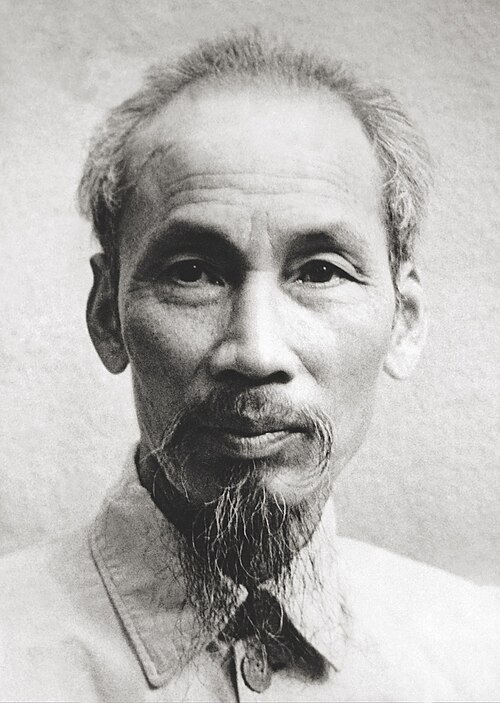
Ho Chi Minh
Ho founded the Viet Minh, accepted a 1954 partition he expected elections to erase, and died in 1969 before victory. His name brands the trail and the renamed Saigon.
Died
3
Role
3
City
3
Ho, Diem, Johnson, Giap, Westmoreland, Nixon, Le Duan, Thieu.
Educational history. Casualty figures are documented ranges. This is not operational advice, a ranking of nations, or a how-to for weapons or coups.
Darker cells mean a higher score for this topic on that metric.
LessMore
Last reviewed Sources & creditsMedia creditsMethodology
No. Scores are browsing aids inside an era-bounded atlas — not live league tables of countries.
Vietnamese deaths are estimated in a wide band, about 1.3-3.8 million, including civilians. US military deaths are about 58,220. Australian deaths are 521. ROK deaths are about 5,000. Figures for Laos and Cambodia add more.
Containment, the domino metaphor, alliance credibility, and domestic politics. The Gulf of Tonkin Resolution (1964) was the legal hinge. Historians disagree on when -- if ever -- a cheaper political settlement was available.
A coordinated January 1968 offensive against southern cities. Communist forces took heavy losses; US and ARVN held the towns. US public support cracked because official optimism had been so high.
US and ARVN forces won most set-piece fights and still failed to secure a southern state that could survive without them. That is a political-military defeat, not a simple scoreboard of firefights.
A January 1973 ceasefire and US withdrawal deal that left northern troops in the south. Congress later cut aid. In 1975 the south collapsed.
US presidents and MACV generals are over-photographed; Le Duan and southern revolutionaries are under-photographed in English.
Antiwar icons (King's 1967 speech, veterans against the war) are part of the US political cast.
Ho founded the Viet Minh, accepted a 1954 partition he expected elections to erase, and died in 1969 before victory. His name brands the trail and the renamed Saigon.
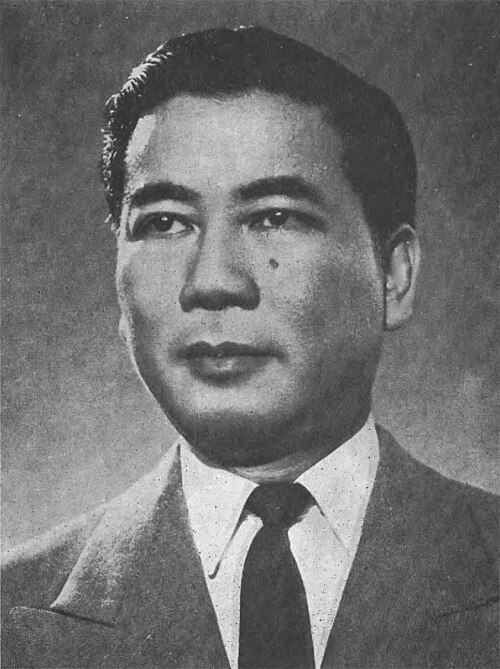
Diem built an anti-communist southern state with US aid and alienated Buddhists and peasants. He was killed in the 1963 coup.
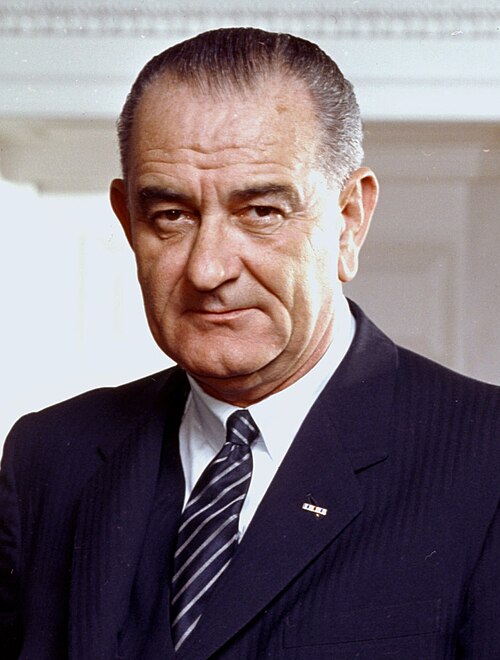
Johnson Americanised the war in 1965 and was destroyed politically by Tet. He declined to run in 1968.
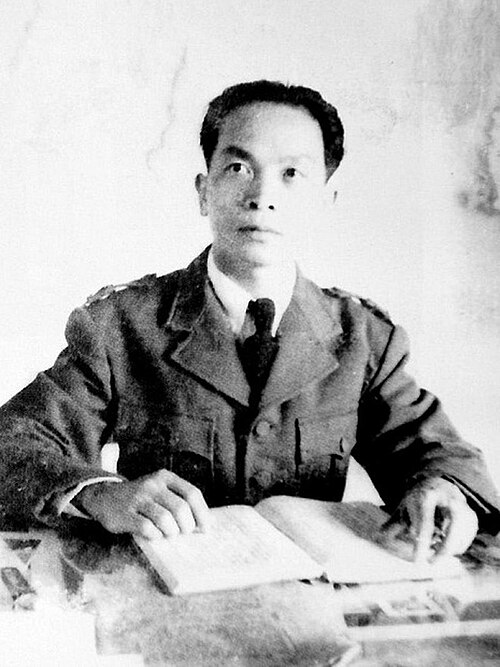
Giap, already famous from Dien Bien Phu, oversaw a people's-war strategy that mixed conventional and guerrilla phases. Historians argue about his later role versus younger generals in 1975.
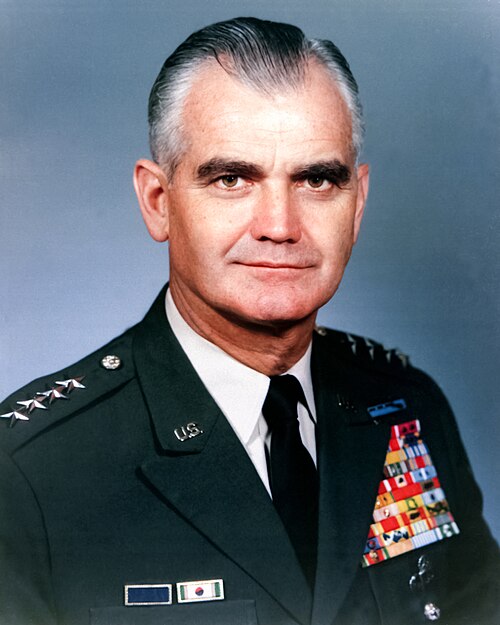
Westmoreland ran the big-unit war of 1964-68 and the body-count metric that Tet discredited as a political measure.
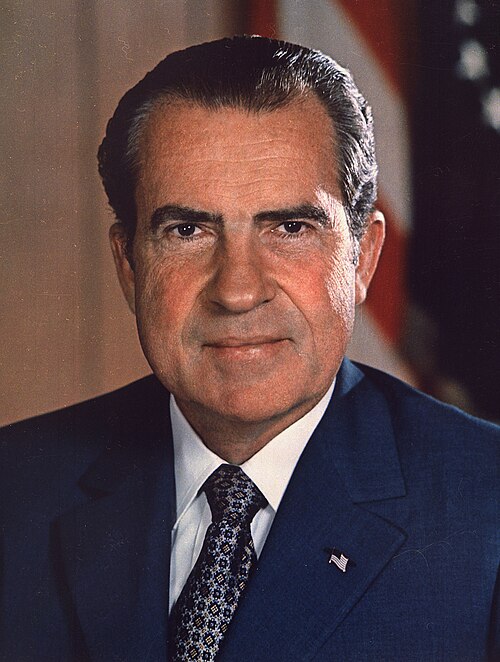
Nixon promised peace, widened the Cambodian map, mined Haiphong, and signed Paris 1973. Watergate then destroyed his presidency.
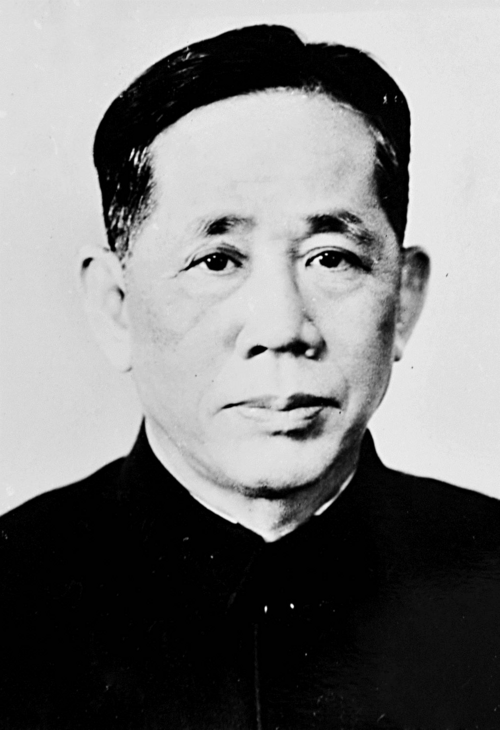
Le Duan was the key southern-offensive advocate in the politburo after Ho's decline -- more important to 1968-75 strategy than Western fame admits.
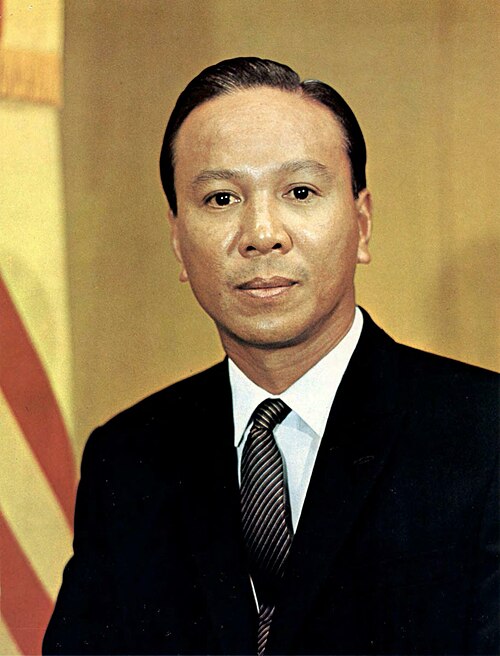
Thieu ran the south from 1967 to 1975, opposed the Paris terms, and left as the state collapsed. His army's 1975 disintegration is still argued as morale, aid, or design.
Orthodox, revisionist and post-revisionist US schools still argue whether a different strategy could have preserved a southern state -- or whether the political material was never there.
Whether television "lost" the war is a durable myth; most historians put the cause in Vietnamese politics and US strategy, not in camera angles.
Memoirs from both armies now exist in translation; the first generation of US books was one-sided.
K-dramas and Korean veterans' memoirs are a separate iconography for ROK service in Vietnam.