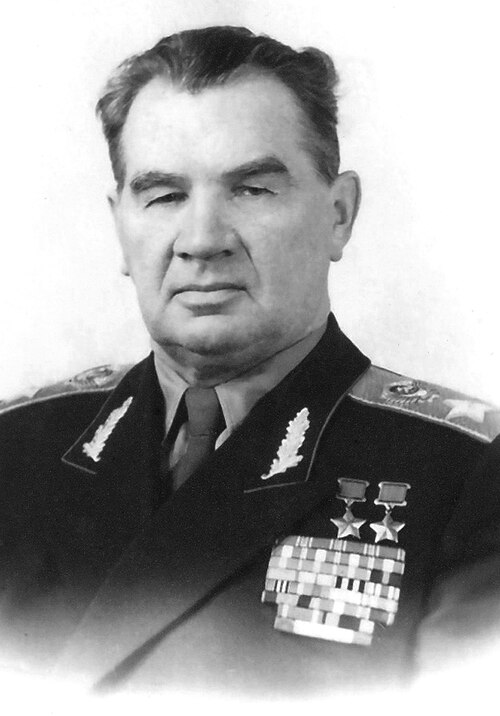
Vasily Chuikov
Held the ruins; later took Berlin. The city commander in the English story.
Army
3
City
3
Later
3
People and debates around Battle of Stalingrad.
Educational history. Casualty figures are documented ranges. This is not operational advice, a ranking of nations, or a how-to for weapons or coups.
Darker cells mean a higher score for this topic on that metric.
LessMore
Last reviewed Sources & creditsMedia creditsMethodology
No. Scores are browsing aids inside an era-bounded atlas — not live league tables of countries.
About 1.7-2 million killed, wounded and captured on both sides is a common published band. Precise killed-only figures vary by method.
Overextended flanks, a successful Soviet encirclement, a failed relief, an inadequate airlift, and a political no-retreat order.
It was the Eastern Front's great turn. Midway, Alamein and later Kursk and Overlord are other turns. Serious histories keep several hinges.
Paulus (6th Army); Chuikov (62nd Army) in the city; Zhukov and Vasilevsky at the Stavka level; Manstein on the relief attempt; Hitler and Stalin as political commanders.
A double envelopment of the German urban force by attacking the weaker armies on the Don flanks.
Chuikov and Paulus are the paired portraits. Zhukov is the staff icon. Hitler is the political ruin.
Sniper myths (Zaitsev) outrun the archives in film.
Held the ruins; later took Berlin. The city commander in the English story.
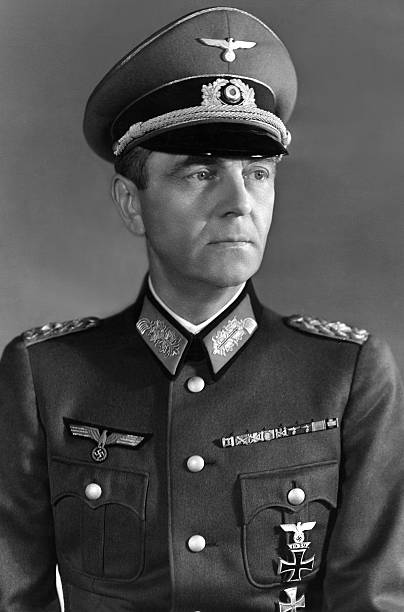
Promoted to field marshal, then surrendered -- the anti-icon of Hitler's no-retreat cult.
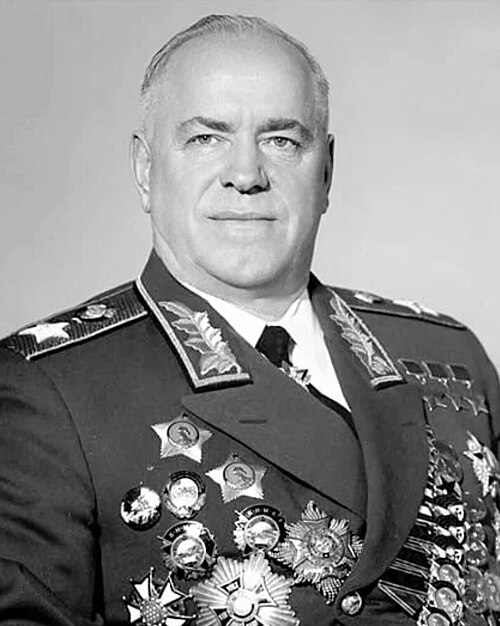
Co-architect of Uranus and the wider 1942-43 turn.
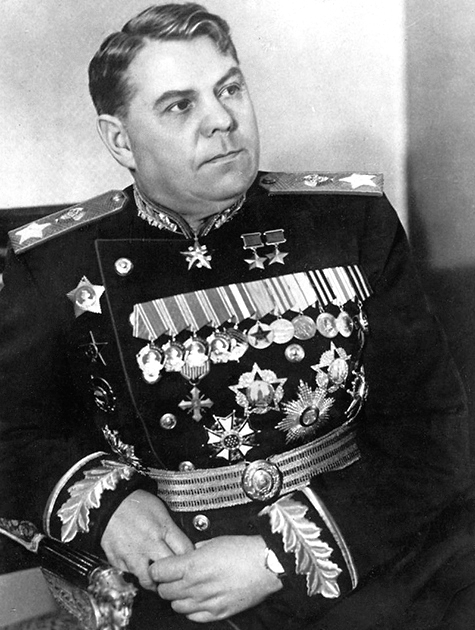
The other brain of the encirclement -- less photographed than Zhukov, as important on the files.
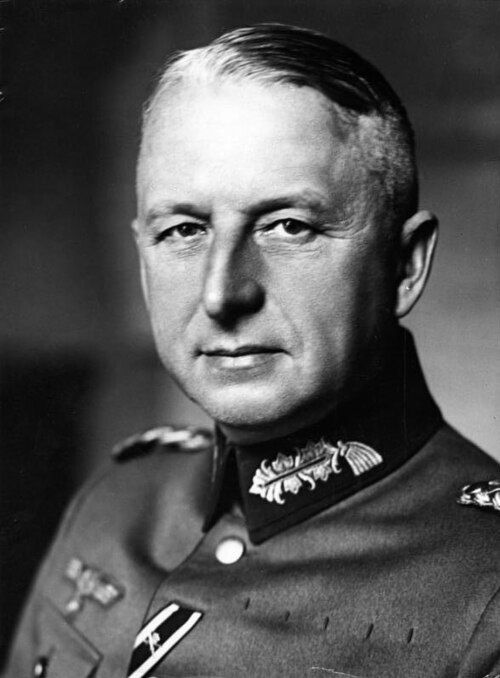
Failed to break the pocket; later wrote a memoir that shaped German memory.
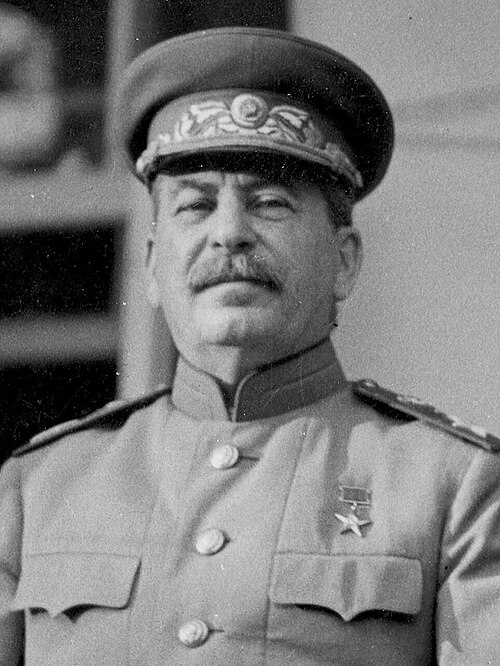
Named in the city; issued 227; took the victory as personal and state liturgy.
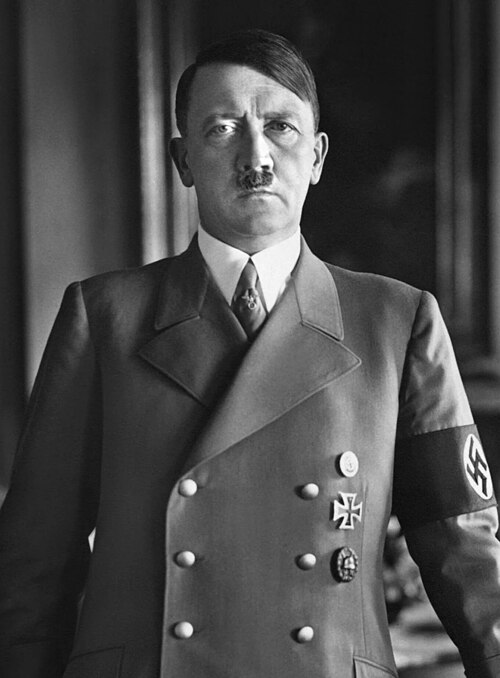
Refused breakout, promised airlift, made a political ruin of an operational crisis.
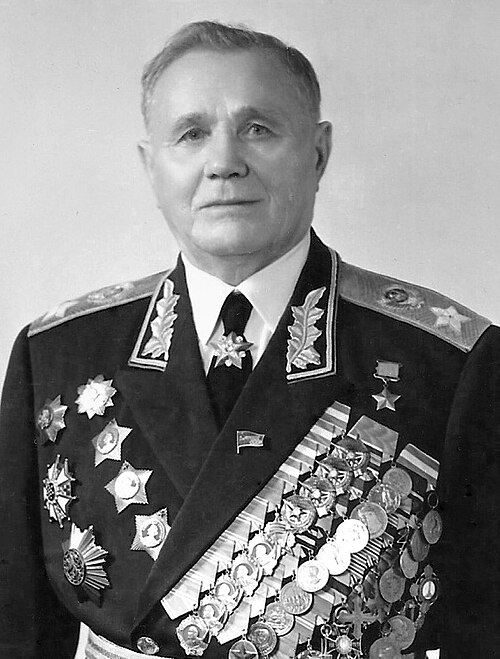
Front commander on the approach and defense -- a Soviet professional beside the Stavka stars.
A durable counterfactual; most answers require an earlier decision than Hitler allowed.
Eastern Front hinge, yes; sole world-war hinge, no.
Mamaev's Motherland Calls is the visual icon that outranks any general's face in Russia.
Enemy at the Gates is the English visual problem -- romance in a slaughterhouse.