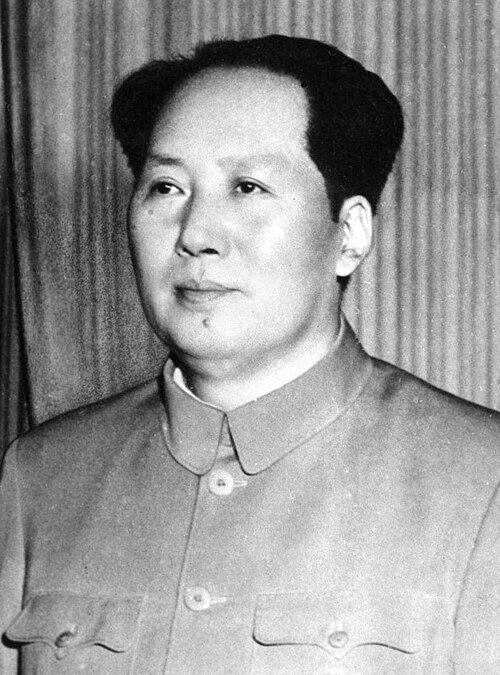
Mao Zedong
Mao led the party from the Long March through 1949 and then the PRC. His civil-war craft was political-military; his later rule is a different ledger.
Yan'an
3
PRC
3
Role
3
Mao, Chiang, Zhou, Lin Biao, Soong Mei-ling, Marshall.
Educational history. Casualty figures are documented ranges. This is not operational advice, a ranking of nations, or a how-to for weapons or coups.
Darker cells mean a higher score for this topic on that metric.
LessMore
Last reviewed Sources & creditsMedia creditsMethodology
No. Scores are browsing aids inside an era-bounded atlas — not live league tables of countries.
A wide band, often about 6-10 million for civil-war related deaths across phases, overlapping the Japanese war and postwar campaigns. Treat any single number as a false census.
It forced a united front and moved the main enemy, but both parties positioned for the next round. 1945 was a restart, not a blank slate.
Rural organisation, KMT inflation and corruption, Manchurian campaigns, and a more coherent political-military command. US aid was real and insufficient to offset legitimacy collapse.
Mao proclaimed the PRC in Beijing. The ROC government relocated to Taipei. Both claimed to be the government of China.
The new PRC intervened in Korea in October 1950. The US interposed the Seventh Fleet in the Strait, blocking an immediate Taiwan campaign.
Mao and Chiang are the paired portraits. Soong Mei-ling is how US newsreels personalised the KMT. Marshall is how US memory personalised failure.
Peng Dehuai ties this file to the Korean War file -- one career, two atlas pages.
Mao led the party from the Long March through 1949 and then the PRC. His civil-war craft was political-military; his later rule is a different ledger.
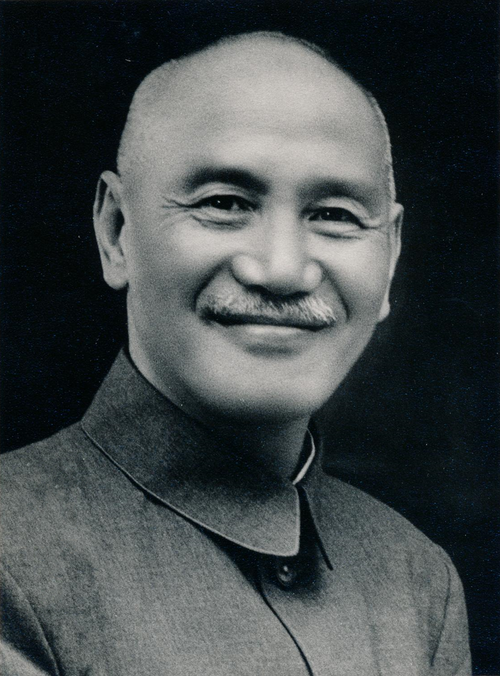
Chiang unified much of China in the 1920s, lost the mainland in 1949, and ruled Taiwan under martial law. He is also a Second World War Allied face.
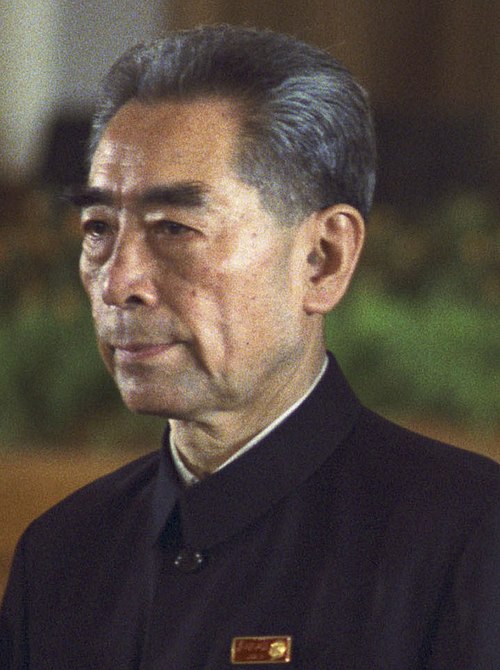
Zhou negotiated, organised, and later ran PRC diplomacy -- including the Korean War period. The civil war made his state.
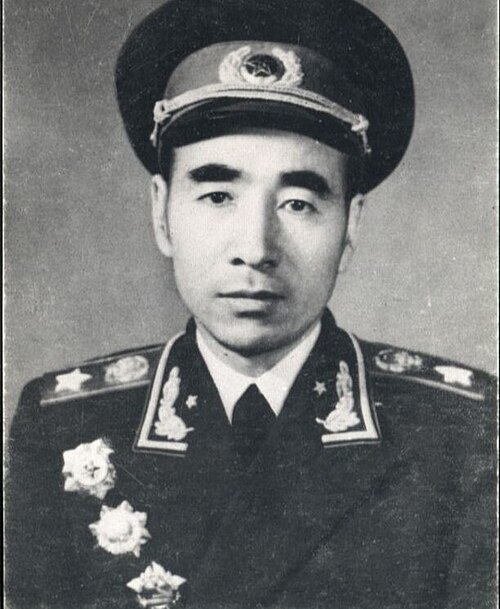
Lin's northeast campaigns were decisive in 1948. His later political fall (1971) is a PRC sequel, not a civil-war verdict.
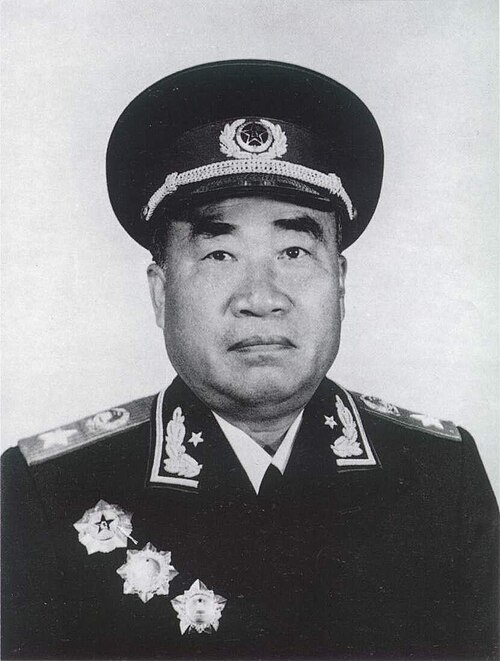
Zhu De is the professional-military name beside Mao's political name in early Red Army history.
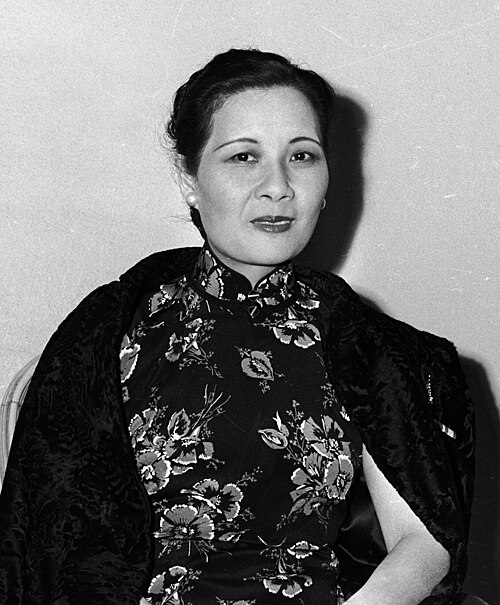
Soong's English lobbying in wartime Washington made her the civil war's most famous diplomat in US memory -- and a symbol of the KMT's American hope.
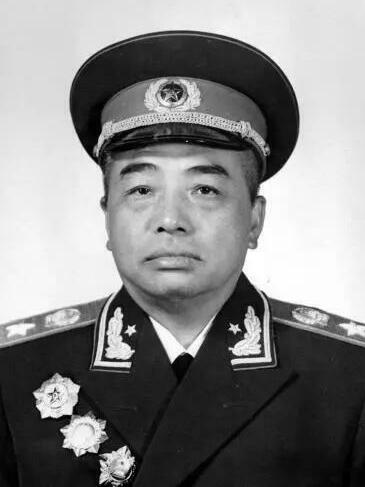
Peng fought the civil war and then commanded in Korea -- a bridge figure in this atlas.
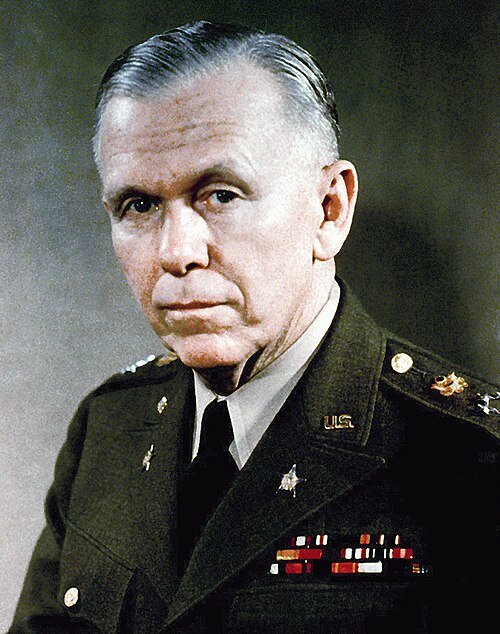
Marshall's 1945-47 mission failed to produce a coalition government. His later Plan in Europe is a different fame; in China his name means a failed peace.
Counterfactuals invoke less corruption, more reform, or a different US policy. Most specialists still put Chinese social and military facts first.
1949 was both a conventional victory and a social revolution -- picking one word is a political act.
PRC museums and Taiwan's later democratised museums tell incompatible civil-war stories. Both are primary sources of memory.
"Who lost China" is an American iconography, not a Chinese one.