Last reviewed Sources & creditsMedia creditsMethodology
Quick answers
What is the difference between rugby union and rugby league?
They are two separate codes that split in 1895 over payments to players. Rugby union has 15 players a side; rugby league has 13. The biggest difference is the tackle: in union, both teams contest the ball at every tackle through the ruck, so possession can change hands constantly, whereas in league the tackled team retains the ball but must hand it over after six tackles. Union has scrums with eight contesting forwards and lineouts to restart play; league's scrums are largely uncontested and it has no lineouts. Union is the global game with the World Cup and Six Nations, while league is strongest in northern England, Australia and the Pacific.
How does scoring work in rugby union?
There are four ways to score. A try, worth five points, is scored by grounding the ball over the opponents' goal line and is the primary objective. After a try, the scoring side attempts a conversion — a kick at goal from a spot in line with where the try was scored — worth two points. During open play, a team awarded a penalty may kick at goal for three points, and a player can also attempt a drop goal, kicking the ball through the posts from open play, also worth three points. A penalty try, awarded when a certain try is illegally prevented, is worth seven points with no conversion needed. The team with the most points after 80 minutes wins.
Why can't you pass the ball forward in rugby?
The forward-pass ban is the rule that shapes everything about how rugby is played. A pass must travel level or backwards relative to the player throwing it; a ball thrown or knocked forward results in a scrum to the other side. Because you cannot simply throw the ball ahead to a team-mate, the only legal ways to move it forward are to run with it or to kick it. This forces teams to advance by carrying into contact, offloading and building through phases, and it makes support running — team-mates staying behind the ball-carrier to receive a backward pass — fundamental. The rule is what gives rugby its distinctive flow of forward carries and lateral, looping attacks.
What is a ruck, and how is it different from a maul?
Both are contests that form after contact, but the key difference is whether the ball is on the ground. A ruck forms when a ball-carrier is tackled to ground and players from both sides bind over the ball; once a ruck is formed, players may not use their hands and must drive with their feet to win the ball for the scrum-half. A maul forms when the ball-carrier is held up but stays on their feet and team-mates bind on with the ball still in hand; the group can then drive forward, most dangerously off a lineout near the try line. Simply put: ruck means ball on the ground and no hands, maul means ball off the ground and still in hand.
Which country has won the most Rugby World Cups?
South Africa has won the most, with four titles in 1995, 2007, 2019 and 2023 — becoming the first four-time champions when they beat New Zealand 12-11 in the 2023 final in Paris. New Zealand, the most consistent side in the tournament's history, have three (1987, 2011 and 2015), Australia have two (1991 and 1999), and England have one (2003), the only Northern Hemisphere nation ever to win it. The World Cup has been held every four years since the inaugural 1987 tournament co-hosted by New Zealand and Australia, and only four nations have ever lifted the Webb Ellis Cup, underlining how dominant the southern hemisphere's big three have been.
How long is a rugby union match?
A match lasts 80 minutes, played in two halves of 40 minutes with a half-time break of up to 15 minutes. Unlike football, the referee stops the clock for injuries, substitutions and Television Match Official reviews, so a half often runs beyond 40 minutes of real time. Importantly, a half does not end the instant time expires: play continues until the ball next becomes dead, which is why a team can mount one final attack after the hooter has sounded. In knockout matches that finish level, two 10-minute periods of extra time are played, followed if necessary by sudden death and ultimately a place-kicking competition to decide the winner.
In rugby union, the basic unit of the sport is the national team, not the club. Professional club rugby only began after the 1995 declaration of professionalism, and even today France's Top 14, England's Premiership, the United Rugby Championship and Super Rugby Pacific run on different calendars with wildly different budgets, so there's no way to build a single global club ranking. Test matches, by contrast, have run unbroken for a century and a half since the first international between Scotland and England in 1871, and the peak of a player's career still sits at the World Cup, the Six Nations, the Rugby Championship and British and Irish Lions tours. That's why the twelve teams below are national teams, not clubs.
To measure all twelve on the same scale, all five metrics are drawn from Rugby World Cup results: appearances, quarterfinals or better, semifinals, finals and titles across the ten tournaments held since 1987. This yardstick is unsentimental. Italy has played in all ten tournaments without ever reaching a quarterfinal, while Ireland has reached the quarterfinal eight times and been eliminated there all eight times. South Africa, by contrast, missed the first two tournaments under apartheid sanctions yet has reached the quarterfinal or better in every one of the eight tournaments it has entered, winning four of them. All figures run through the 2023 France tournament, and the bars are scaled to the highest value among these twelve teams as 100.
The ranking weighs both career achievement and current standing, and each team's founding year reflects when its national governing body was formed. Where a team's first Test predates that year, it is noted separately in the blurb.
Key teams
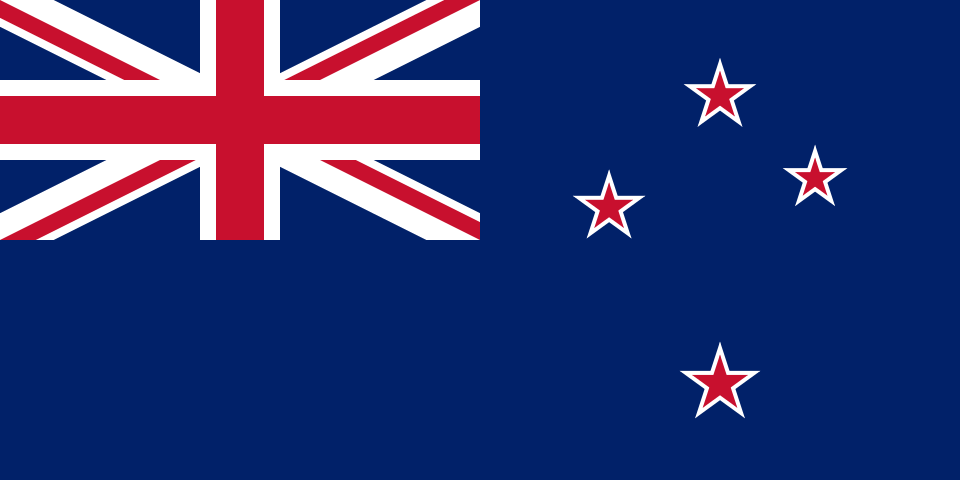
New Zealand (All Blacks)
Explore →
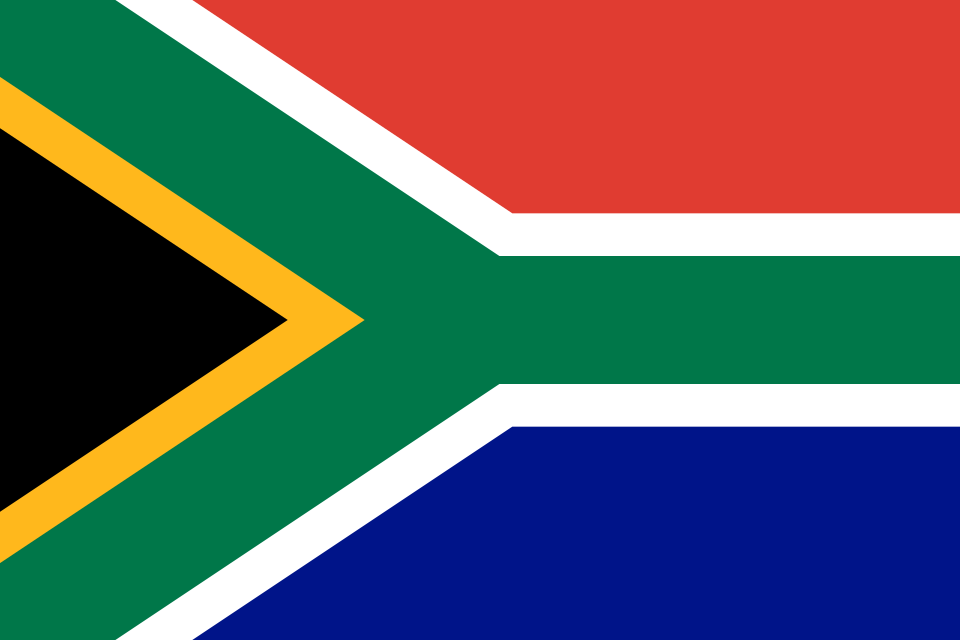
South Africa (Springboks)
Explore →
England
Explore →
France (Les Bleus)
Explore →
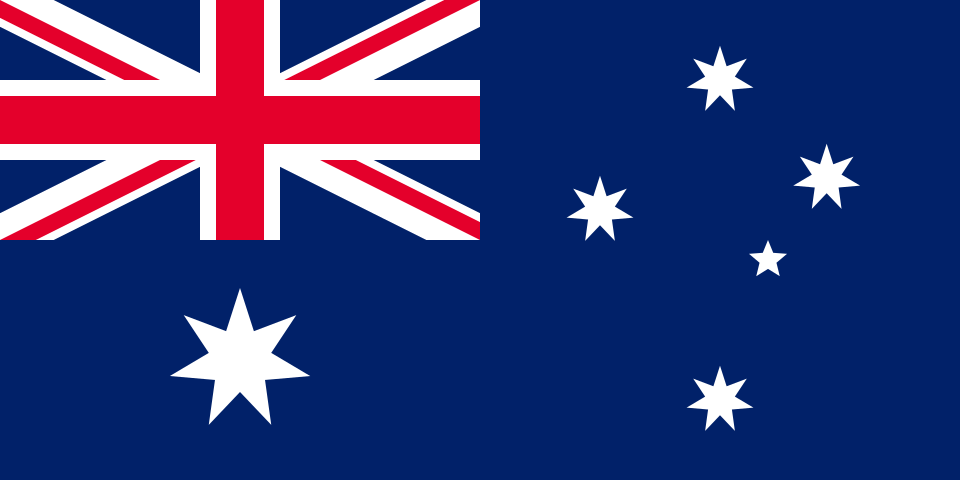
Australia (Wallabies)
Explore →
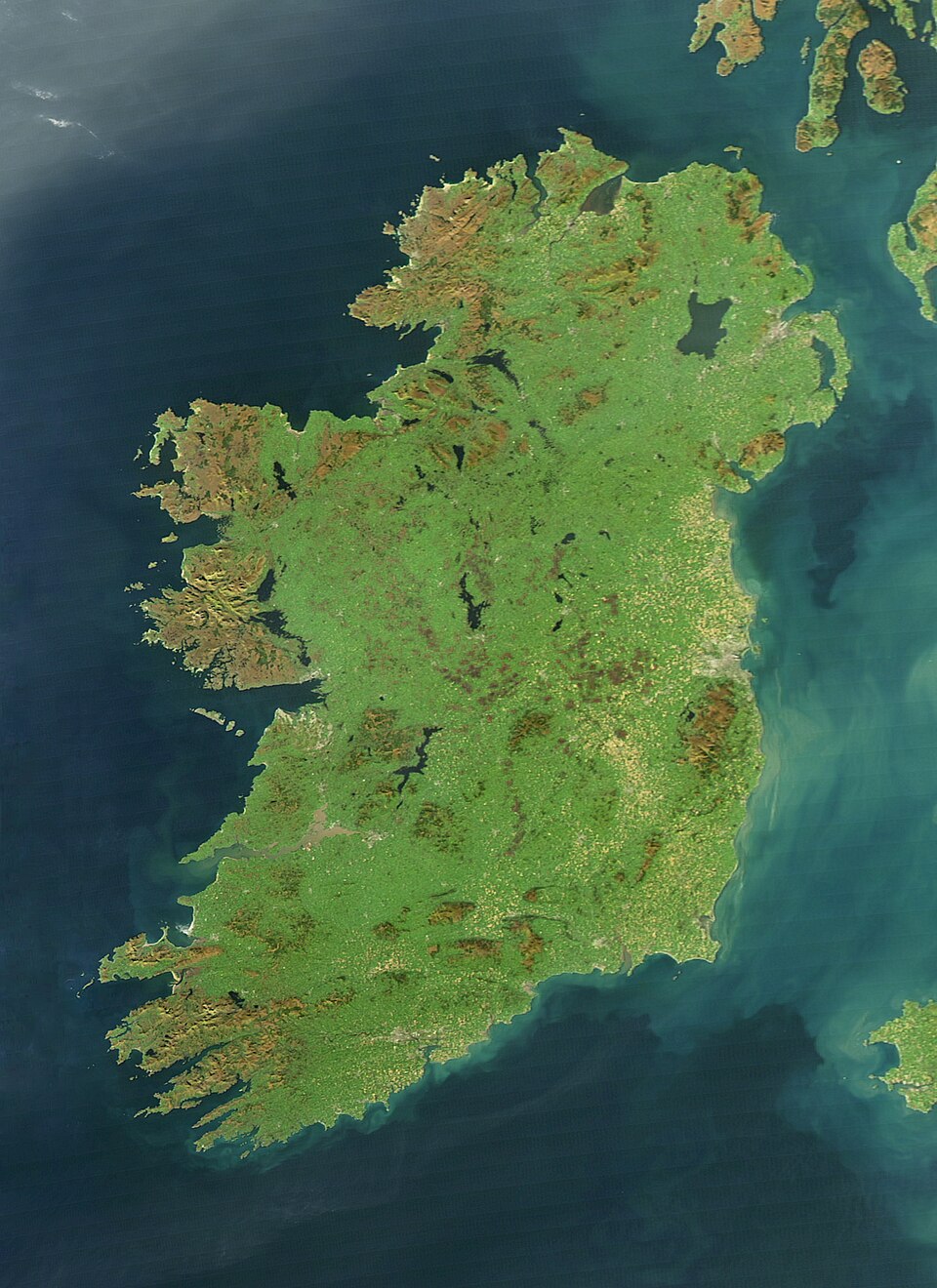
Ireland
Explore →
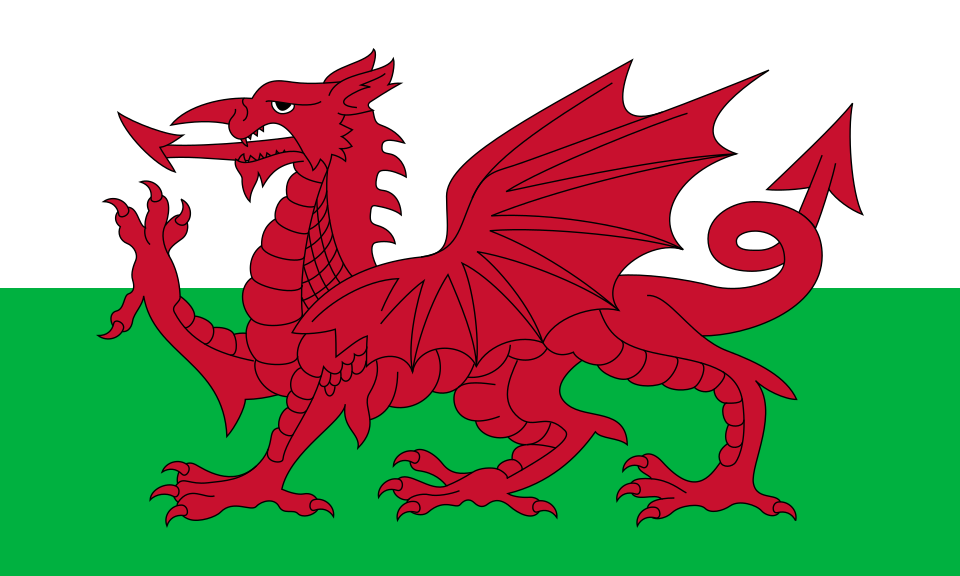
Wales
Explore →
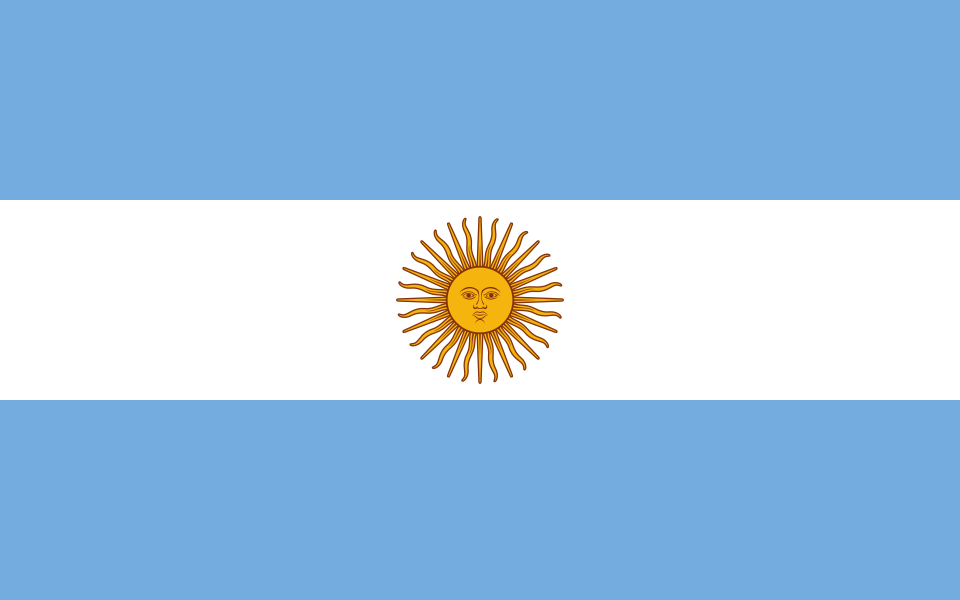
Argentina (Pumas)
Explore →
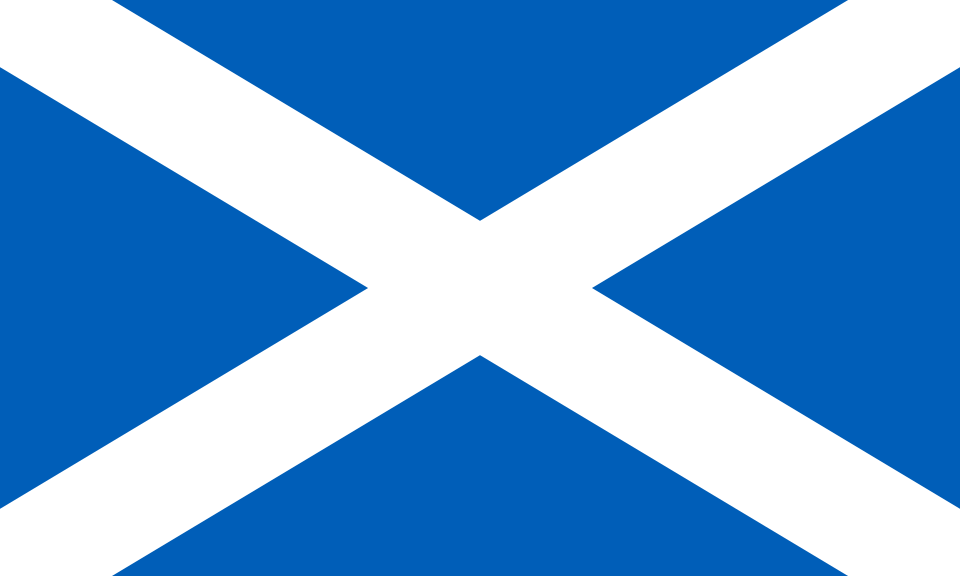
Scotland
Explore →
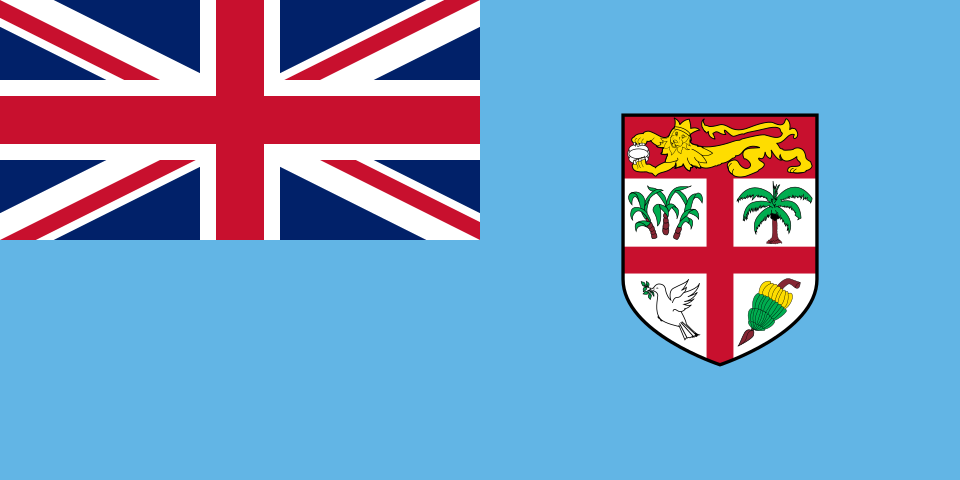
Fiji (Flying Fijians)
Explore →
Japan (Brave Blossoms)
Explore →
Italy (Azzurri)
Explore →