Aboriginal songline custodians
Dreaming tracks encode rights and ecology — story as land title.
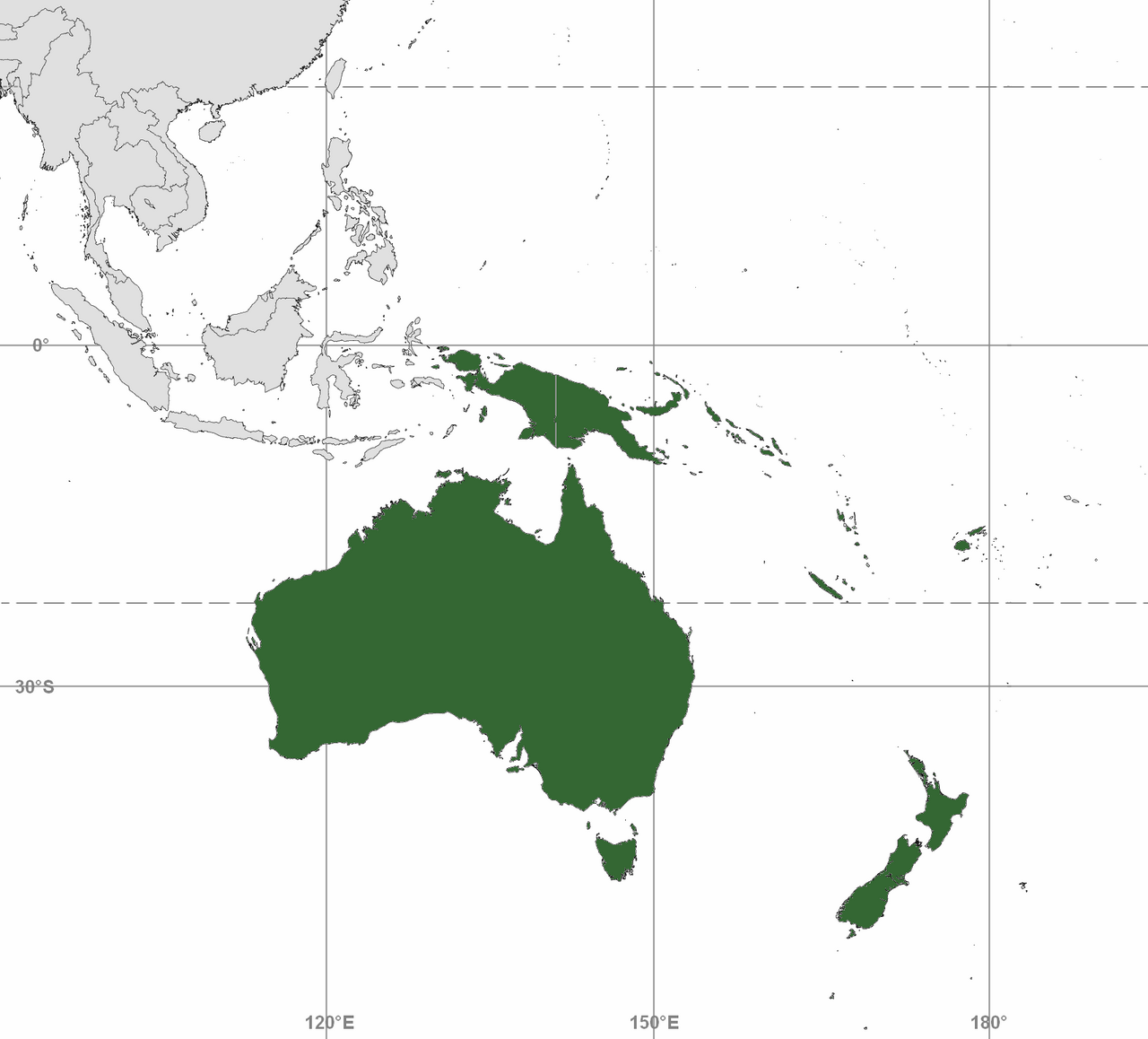
Australasia · ANZ
Aboriginal and Māori first peoples, British settler colonies, and modern multicultural Pacific democracies.
Milestones in order. This is history, not a weekly activity grid.
Last reviewed Sources & creditsMedia creditsMethodology
Five research punchlines — scan before you dive.
Australia & New Zealand is treated here as a cultural region — languages, foods, festivals, arts and living histories — not as a biological race. Borders blur; people move; traditions remix.
This guide gathers origin stories, linguistic maps, everyday cuisine, ritual calendars, aesthetic forms and how the region looks in the twenty-first century, including diasporas.
Images lean on Wikimedia Commons where licences allow commercial reuse. Claims prefer dated, checkable history over stereotypes.
Aboriginal ancestors arrive in Australia.
Polynesian voyagers reach Aotearoa.
British penal colony begins in Australia.
Foundational — and contested — NZ compact.
Migration remakes colonial demography.
Colonies unite as a commonwealth.
ANZAC legend shapes national memory.
White Australia policy ends; Asia links grow.
Major legal recognition milestones (AU/NZ paths differ).
Indigenous constitutional recognition remains live.
Early settlements, states and exchange networks that shaped Australia & New Zealand.
Long before modern passports, people in this region farmed, herded, traded and built cities under climates that still shape diet and festival timing.
Archaeology, linguistics and written chronicles disagree on details; this section favors widely attested milestones over nationalist myth alone — while noting when myth itself is culturally important.
Language families, scripts and everyday multilingualism in Australia & New Zealand.
Speech is one of the strongest everyday markers of belonging here, yet multilingualism is normal in markets, schools and ritual life.
Scripts may be shared across political borders while pronunciation and slang stay local — a reminder that maps of states and maps of tongues rarely match.
Staples, techniques and social meals across Australia & New Zealand.
Cuisine here is technology: fermentation, fire management, preservation for lean seasons and hospitality rules that say who eats first.
“National dishes” are often recent branding; older patterns are regional, seasonal and tied to class or ritual calendars.
Calendars of celebration, mourning and pilgrimage in Australia & New Zealand.
Festival time compresses identity: clothing, music and food that may be rare on weekdays return in force.
Lunisolar and liturgical calendars still beat underneath civil dates in much of the region.
Visual, musical and craft traditions associated with Australia & New Zealand.
Aesthetic systems here — proportion, ornament, silence, improvisation — train the eye and ear from childhood.
Court, folk and pop layers coexist; global media remixes them without erasing local workshops.
Cities, diaspora and twenty-first-century change in Australia & New Zealand.
Most people in this cultural orbit now live with smartphones, wage labor and hybrid identities — rural memory included.
Climate stress, migration and platform media are rewriting which traditions stay compulsory and which become optional heritage.
Named figures and living schools — culture as practice, not blood type.
Dreaming tracks encode rights and ecology — story as land title.
Community-run Māori-medium education — revival is institutional.
Memorial culture forged settler identity — sidelined indigenous service until recently.
Samoan and Tongan congregations keep language through hymn — faith as retention.
Scholarly themes rewritten for curious readers — not paywalled jargon, and never a race ranking.
Australian Aboriginal scholarship insists Dreaming narratives encode rights and responsibilities to Country — not “myth vs science.”
Takeaway Story can be title deed.
New Zealand’s immersion kura and broadcasting are studied as partial success models for reversing language shift.
Takeaway Policy plus community can bend curves.
Research documents forced child removals and cultural rupture under assimilation policy.
Takeaway State care can be cultural violence.
Scholars unpack how war memory forged settler national identities while sidelining indigenous service and suffering.
Takeaway Memorials choose.
Work on quarantine cultures shows how island states police species and people together.
Takeaway Borders are ecological too.
Books, reviews and museum trails — starting points, not a syllabus.
Argues for sophisticated Aboriginal agriculture — read alongside academic debate.
Immersion schools and broadcasting as partial reversal of language shift.
Indigenous curators explain Country, law and object repatriation.
Stolen Generations children's escape — state assimilation as cultural violence.
Online national encyclopedia with Māori and Pākehā entries.

No. The label groups many communities that share historical contact, trade or aesthetic exchange. Local identities remain primary.
Cultures are not sports teams. This atlas explains practices and histories without superior/inferior scores.
Major lingua francas and heritage languages appear together; minority tongues are named where they structure identity.
Through staples, techniques and social meals — not tourist clichés alone — with note of regional variation.
As lived practice and festival calendars, without treating any faith as a racial essence.
State borders and conflicts appear when they shaped culture; the page is not a news wire.
Yes. Overseas communities often conserve and reinvent tradition; they appear in the Today section.
Wikipedia article titles resolve to Commons files with reusable licences; attribution lives on the credits page.