Side by side
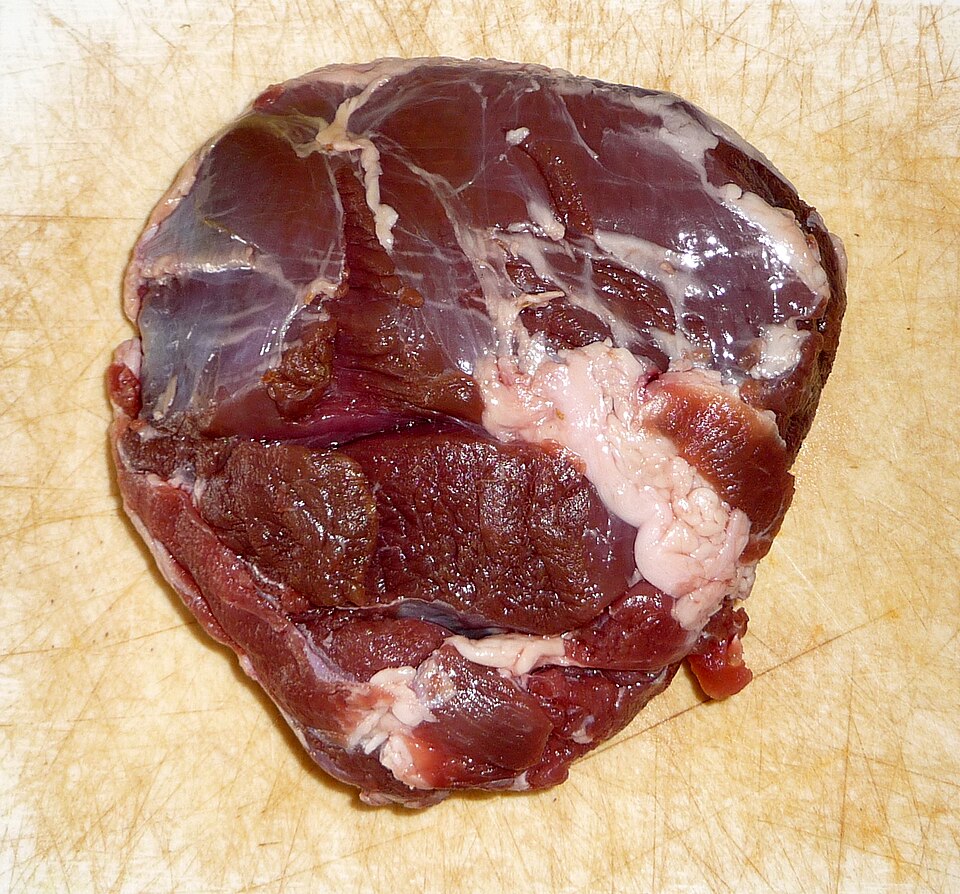
Shoulder
Square-cut · épaule · 어깨
The everyday roasting joint of the sheep: enough fat and collagen to stay juicy for hours, large enough to feed a table. Bone-in holds shape; boneless rolls for even slicing. This is the cut behind most weekend lamb roast traditions.
A thick fat cap bastes the meat as it renders — do not trim it bare before roasting.
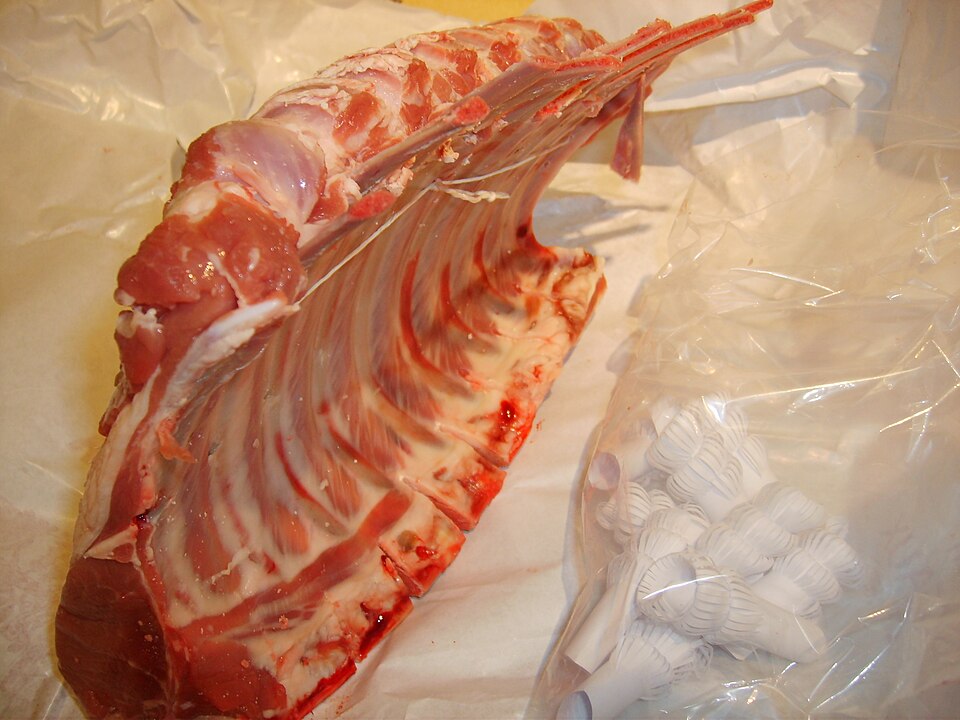
Rack
Best end · carré · 랙
The rib section frenched into a curved rack — the showpiece cut. Short fibres and a fat cap make it forgiving on high heat, which is why tasting menus and holiday tables both reach for it. Expensive because each animal only yields two small racks.
Frenched bones should be clean and even; a thick, creamy fat cap is a feature, not waste.
Which one to buy
- Better forShoulder : Rack
- Slow roastingShoulder94 : —
- BraisingShoulder85 : —
- BarbecueShoulder70 : —
- RoastingRack— : 95
- GrillingRack— : 88
- Pan-searingRack— : 80
Other comparisons
All cuts
Beef Primals
Chicken Portions
Bluefin Tuna Cuts
Temperatures are guidance for whole-muscle cuts. Ground meat and poultry need 71°C / 160°F throughout.