分享本页
约18分钟
把这份职业地图分享给正在考虑升学、转训或首份工作的人。
打开对比实验室
一句话看懂
Blacksmith:制造所有其他贸易工具的贸易——从赫蒂特铁和盾铸造到21世纪把铁器带回来的艺术家-铁匠.
- 典型薪酬
- $40k–60k (美国)
- 入行年限
- 5
- AI抗性
- 82/100
- 需求
- 32/100
大学与入行路径
薪酬与市场
AI与未来
速览
$35k–60k (2024)Typical US pay
3–5 yr apprenticeshipTraining length
900–1,250°CForging heat
None in most countriesLicence required
Since 1299London guild recorded
45–200 kgTypical shop anvil
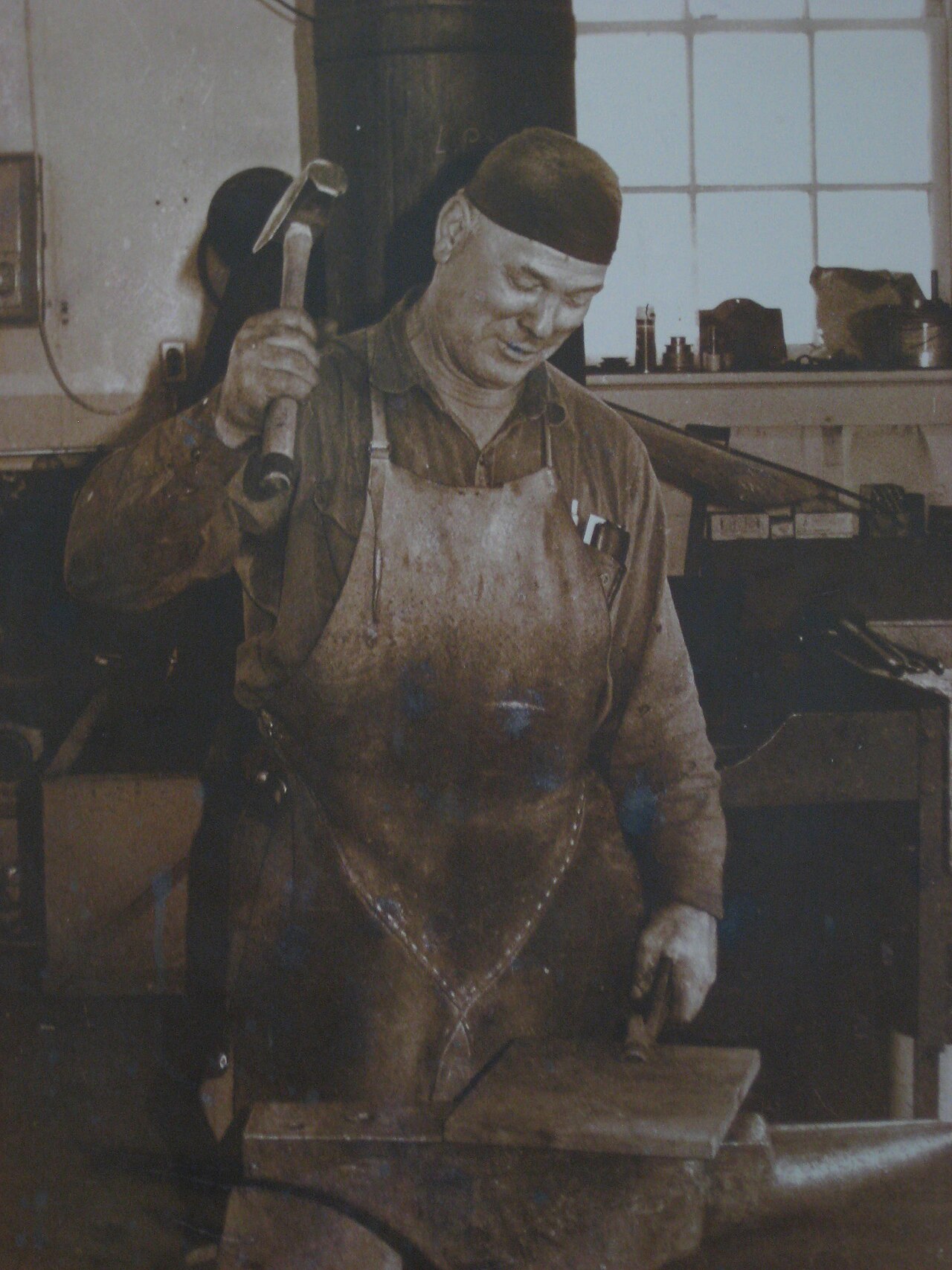
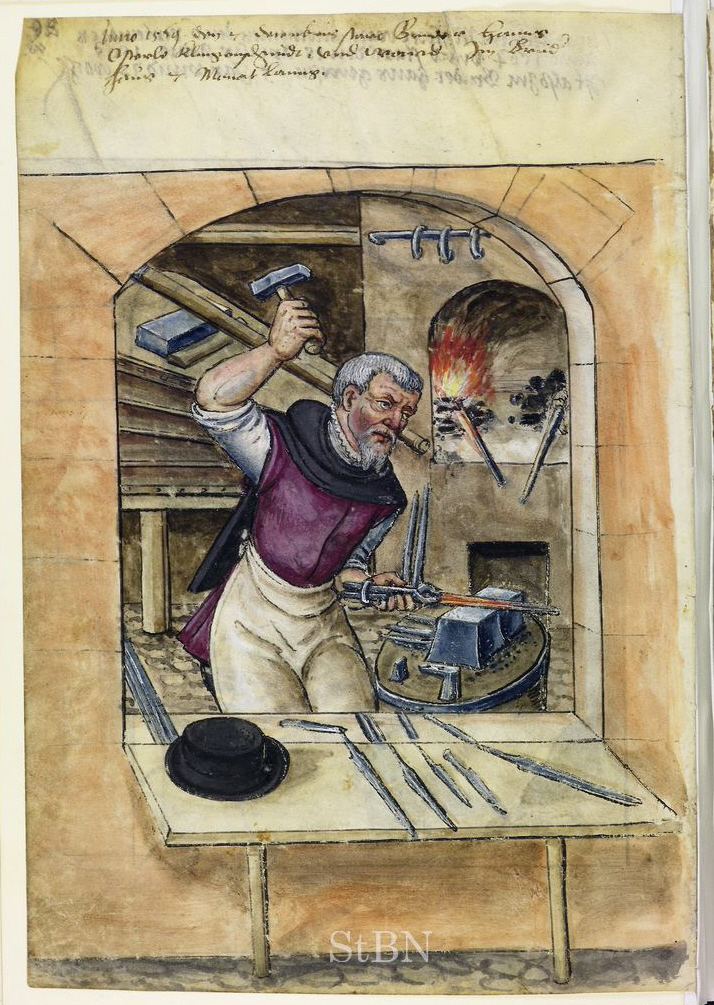
铁匠的作品是"黑色金属"——铁,其名称取自其表面在火中形成的深氧化物尺度,而不是白匠的明亮锡. 在大部分记载的历史中,铁匠制造了所有其他贸易的工具:木匠的凿子,农民的犁头,外科医生的刀,士兵的刀. 伦敦的铁匠盾自1299年起就被记录下来,将这一点作为它的座右铭:"用锤子和手把所有艺术都立起来". 几乎每一种使用铁的文化都铸造出一个与神相匹配的神——希腊的赫法埃斯图斯,西非的奥贡,芬兰的伊尔马里宁.
自铁器时代以来,进入的路线几乎没有改变:站在知道的人旁边,撞上了大量的热金属. 大多数国家不需要许可证,尽管德国实行规范的学徒和硕士考试,日本通过为期五年的实习为剑匠颁发许可证,英国通过法律规范邻近的远洋贸易。 改变的是市场:工业革命夺取了生产工作——钉子,铁链,马蹄,硬件——使铁匠的习俗,艺术和修复工作机器仍然无法做到.
本页沿用了从Hittite Anatolia经宇兹钢铁,Ulfberht剑和Masamune的镰仓铸造到1908年后村匠倒闭以及1970年代开始的艺术家-铁匠复兴的贸易. 它涵盖了人们如何在今天学习四大洲的工艺品, 造币日对身体有何影响, 技艺的匠工们在铁杆上传下来, 他们跨越七个世纪到达了贸易的顶端, 以及工作自动化已经取得了多少成果, 以及它留下了什么。
深入这份职业
铁匠用锤、热与时机塑造热金属——看起来古老,实际是精确的热管理:热是你无法暂停的时钟。对在中国大陆从业者而言,监管口径、客户预期、交付节奏与团队协作必须进入判断,不能只复制海外岗位描述的光鲜部分。
热是无法暂停的时钟
温度窗口决定晶粒与韧性。中国非遗工坊、文创与工业钣金并行,态度决定你是表演火花,还是交付安全可用的物件。对在中国大陆从业者而言,监管口径、客户预期、交付节奏与团队协作必须进入判断,不能只复制海外岗位描述的光鲜部分。香港与台湾的资质路径、舆论与合规细节可能不同,跨区域发展前应单独核对,不要假设华语地区都一样。真正拉开差距的,往往是压力下能否把复杂权衡讲清并留下可复查依据,而不是只会完成表面上的标准动作。把这类判断写进可复查的记录,比事后用情怀解释疏漏更负责任。把这类判断写进可复查的记录,比事后用情怀解释疏漏更负责任。把这类判断写进可复查的记录,比事后用情怀解释疏漏更负责任。
从乡村铁匠铺到车间制造
建筑铁艺、刀具、蹄铁、文物修复与雕塑路径不同。设备与认证要求随应用变。对在中国大陆从业者而言,监管口径、客户预期、交付节奏与团队协作必须进入判断,不能只复制海外岗位描述的光鲜部分。香港与台湾的资质路径、舆论与合规细节可能不同,跨区域发展前应单独核对,不要假设华语地区都一样。真正拉开差距的,往往是压力下能否把复杂权衡讲清并留下可复查依据,而不是只会完成表面上的标准动作。把这类判断写进可复查的记录,比事后用情怀解释疏漏更负责任。把这类判断写进可复查的记录,比事后用情怀解释疏漏更负责任。把这类判断写进可复查的记录,比事后用情怀解释疏漏更负责任。把这类判断写进可复查的记录,比事后用情怀解释疏漏更负责任。
身体、噪音与长学习
听力、肺与肌肉骨骼是成本。学徒制仍关键。对在中国大陆从业者而言,监管口径、客户预期、交付节奏与团队协作必须进入判断,不能只复制海外岗位描述的光鲜部分。香港与台湾的资质路径、舆论与合规细节可能不同,跨区域发展前应单独核对,不要假设华语地区都一样。真正拉开差距的,往往是压力下能否把复杂权衡讲清并留下可复查依据,而不是只会完成表面上的标准动作。把这类判断写进可复查的记录,比事后用情怀解释疏漏更负责任。把这类判断写进可复查的记录,比事后用情怀解释疏漏更负责任。把这类判断写进可复查的记录,比事后用情怀解释疏漏更负责任。把这类判断写进可复查的记录,比事后用情怀解释疏漏更负责任。
工业旁仍有生存空间
定制、修复与艺术铁艺存在,但不自动等于体面收入。用传统包装的低价,会吞噬安全。对在中国大陆从业者而言,监管口径、客户预期、交付节奏与团队协作必须进入判断,不能只复制海外岗位描述的光鲜部分。香港与台湾的资质路径、舆论与合规细节可能不同,跨区域发展前应单独核对,不要假设华语地区都一样。真正拉开差距的,往往是压力下能否把复杂权衡讲清并留下可复查依据,而不是只会完成表面上的标准动作。把这类判断写进可复查的记录,比事后用情怀解释疏漏更负责任。把这类判断写进可复查的记录,比事后用情怀解释疏漏更负责任。把这类判断写进可复查的记录,比事后用情怀解释疏漏更负责任。把这类判断写进可复查的记录,比事后用情怀解释疏漏更负责任。
工作如何分岔
同一头衔下常见的五条路径——专长、场景与生涯形态。
门窗与结构装饰
建筑铁艺匠
强度与安装规范并重。
刀具
刃匠
热处理决定性能。
马房
蹄铁匠
动物福利与步态。
遗产项目
文物修复铁匠
可逆与材料匹配。
艺术创作
雕塑/工作室铁匠
形式与结构并重。
各国读法不同
同样的行当,门槛、地位与日常不同。按各语言读者真正搜索的语境重写。
美国 — 铁匠的市场与门槛
在美国,铁匠的机会、薪酬与准入规则因州、行业和雇主类型差异很大。大型机构提供结构化训练与执照路径,初创与自由职业更灵活也更不稳定。对接中美业务时,英语沟通、签证与合规意识通常和专业技能同等重要。
韩国 — 大企业节奏与本地语境
韩国的铁匠岗位常见于大企业、成长型公司与专业服务网络,工作节奏快且层级协作明显。韩语与本地习惯影响表现;协作时需预留文化与合规差异,勿把加班文化直接当成行业标准。
日本 — 流程、细节与长期关系
日本市场里,铁匠常强调流程完整、质量细节与长期信任。资格、年功或轮岗影响晋升;外企与本土机构对英语和速度的期待不同,选雇主几乎等于选工作方式。把这类判断写进可复查的记录,比事后用情怀解释疏漏更负责任。
德国 — 规范、培训与技术深度
德国的铁匠受职业教育、行业标准与劳动制度塑造,文档与长期责任很重。专精路线清晰;适应正式流程与工时边界是门槛,也是理解欧洲合规与工会话语的起点。把这类判断写进可复查的记录,比事后用情怀解释疏漏更负责任。
英国 — 资格路径与伦敦集聚
英国的铁匠机会常向伦敦及专业网络集中,资格、雇主品牌与合同制影响进入路径。生活成本与稳定性需一并衡量;脱欧后监管细节仍影响跨境业务与证书互认。把这类判断写进可复查的记录,比事后用情怀解释疏漏更负责任。
新加坡 — 区域枢纽与华语市场连接
新加坡常把铁匠连到东南亚客户、跨国总部与华语商业网络。英语是协作语言,但大陆、香港、台湾的监管与数据语境不能等同;跨时区与多元合规是日常。把这类判断写进可复查的记录,比事后用情怀解释疏漏更负责任。
档案图集
为本职业自托管的 Commons CC/PD 图片。
为什么态度在这份工作里很重要
铁匠的力量与经验必要;但态度决定热处理是否被诚实验证,以及是否用火花表演掩盖结构不安全。国内常见的是用使命感、情怀或“关键节点”把无偿加班说成觉悟,拒绝者被贴上不够热爱的标签。
失效发生在承力时
栏杆与刀具伤人。国内常见的是用使命感、情怀或“关键节点”把无偿加班说成觉悟,拒绝者被贴上不够热爱的标签。996与大小周并不自动等于专业深度;过劳会制造你本想防止的疏漏,清醒才是安全裕度。可持续的团队把训练、交接与休息写进编制,而不是靠年轻人的热情无限填坑。把这类判断写进可复查的记录,比事后用情怀解释疏漏更负责任。把这类判断写进可复查的记录,比事后用情怀解释疏漏更负责任。把这类判断写进可复查的记录,比事后用情怀解释疏漏更负责任。把这类判断写进可复查的记录,比事后用情怀解释疏漏更负责任。把这类判断写进可复查的记录,比事后用情怀解释疏漏更负责任。把这类判断写进可复查的记录,比事后用情怀解释疏漏更负责任。
粉尘与烟气慢性伤人
防护不是娇气。国内常见的是用使命感、情怀或“关键节点”把无偿加班说成觉悟,拒绝者被贴上不够热爱的标签。996与大小周并不自动等于专业深度;过劳会制造你本想防止的疏漏,清醒才是安全裕度。可持续的团队把训练、交接与休息写进编制,而不是靠年轻人的热情无限填坑。把这类判断写进可复查的记录,比事后用情怀解释疏漏更负责任。把这类判断写进可复查的记录,比事后用情怀解释疏漏更负责任。把这类判断写进可复查的记录,比事后用情怀解释疏漏更负责任。把这类判断写进可复查的记录,比事后用情怀解释疏漏更负责任。把这类判断写进可复查的记录,比事后用情怀解释疏漏更负责任。把这类判断写进可复查的记录,比事后用情怀解释疏漏更负责任。
学徒安全是伦理
表演式教学会留下烫伤与错误习惯。国内常见的是用使命感、情怀或“关键节点”把无偿加班说成觉悟,拒绝者被贴上不够热爱的标签。996与大小周并不自动等于专业深度;过劳会制造你本想防止的疏漏,清醒才是安全裕度。可持续的团队把训练、交接与休息写进编制,而不是靠年轻人的热情无限填坑。把这类判断写进可复查的记录,比事后用情怀解释疏漏更负责任。把这类判断写进可复查的记录,比事后用情怀解释疏漏更负责任。把这类判断写进可复查的记录,比事后用情怀解释疏漏更负责任。把这类判断写进可复查的记录,比事后用情怀解释疏漏更负责任。把这类判断写进可复查的记录,比事后用情怀解释疏漏更负责任。
压力之下仍立得住的态度
不是口号,而是这份工作真正看重的五种具体姿态。
关键承力件做试验或超额设计
不靠感觉。国内常见的是用使命感、情怀或“关键节点”把无偿加班说成觉悟,拒绝者被贴上不够热爱的标签。996与大小周并不自动等于专业深度;过劳会制造你本想防止的疏漏,清醒才是安全裕度。可持续的团队把训练、交接与休息写进编制,而不是靠年轻人的热情无限填坑。把这类判断写进可复查的记录,比事后用情怀解释疏漏更负责任。把这类判断写进可复查的记录,比事后用情怀解释疏漏更负责任。把这类判断写进可复查的记录,比事后用情怀解释疏漏更负责任。
热处理记录可追溯
尤其刀具与结构件。国内常见的是用使命感、情怀或“关键节点”把无偿加班说成觉悟,拒绝者被贴上不够热爱的标签。996与大小周并不自动等于专业深度;过劳会制造你本想防止的疏漏,清醒才是安全裕度。可持续的团队把训练、交接与休息写进编制,而不是靠年轻人的热情无限填坑。把这类判断写进可复查的记录,比事后用情怀解释疏漏更负责任。把这类判断写进可复查的记录,比事后用情怀解释疏漏更负责任。把这类判断写进可复查的记录,比事后用情怀解释疏漏更负责任。
坚持防护与通风
即使赶工。国内常见的是用使命感、情怀或“关键节点”把无偿加班说成觉悟,拒绝者被贴上不够热爱的标签。996与大小周并不自动等于专业深度;过劳会制造你本想防止的疏漏,清醒才是安全裕度。可持续的团队把训练、交接与休息写进编制,而不是靠年轻人的热情无限填坑。把这类判断写进可复查的记录,比事后用情怀解释疏漏更负责任。把这类判断写进可复查的记录,比事后用情怀解释疏漏更负责任。把这类判断写进可复查的记录,比事后用情怀解释疏漏更负责任。
对客户诚实说明维护
生锈与疲劳要讲。国内常见的是用使命感、情怀或“关键节点”把无偿加班说成觉悟,拒绝者被贴上不够热爱的标签。996与大小周并不自动等于专业深度;过劳会制造你本想防止的疏漏,清醒才是安全裕度。可持续的团队把训练、交接与休息写进编制,而不是靠年轻人的热情无限填坑。把这类判断写进可复查的记录,比事后用情怀解释疏漏更负责任。把这类判断写进可复查的记录,比事后用情怀解释疏漏更负责任。把这类判断写进可复查的记录,比事后用情怀解释疏漏更负责任。
拒绝为镜头做危险操作
表演服从安全。国内常见的是用使命感、情怀或“关键节点”把无偿加班说成觉悟,拒绝者被贴上不够热爱的标签。996与大小周并不自动等于专业深度;过劳会制造你本想防止的疏漏,清醒才是安全裕度。可持续的团队把训练、交接与休息写进编制,而不是靠年轻人的热情无限填坑。把这类判断写进可复查的记录,比事后用情怀解释疏漏更负责任。把这类判断写进可复查的记录,比事后用情怀解释疏漏更负责任。把这类判断写进可复查的记录,比事后用情怀解释疏漏更负责任。
分辨真假的时刻
把简历用语和实际执行区分开来的具体情境。
客户只要好看不管强度你是否拒绝不安全设计?国内常见的是用使命感、情怀或“关键节点”把无偿加班说成觉悟,拒绝者被贴上不够热爱的标签。996与大小周并不自动等于专业深度;过劳会制造你本想防止的疏漏,清醒才是安全裕度。可持续的团队把训练、交接与休息写进编制,而不是靠年轻人的热情无限填坑。把这类判断写进可复查的记录,比事后用情怀解释疏漏更负责任。把这类判断写进可复查的记录,比事后用情怀解释疏漏更负责任。把这类判断写进可复查的记录,比事后用情怀解释疏漏更负责任。
有人关掉通风赶活你是否停工?国内常见的是用使命感、情怀或“关键节点”把无偿加班说成觉悟,拒绝者被贴上不够热爱的标签。996与大小周并不自动等于专业深度;过劳会制造你本想防止的疏漏,清醒才是安全裕度。可持续的团队把训练、交接与休息写进编制,而不是靠年轻人的热情无限填坑。把这类判断写进可复查的记录,比事后用情怀解释疏漏更负责任。把这类判断写进可复查的记录,比事后用情怀解释疏漏更负责任。把这类判断写进可复查的记录,比事后用情怀解释疏漏更负责任。
学徒操作接近危险你是否叫停教学,还是赶进度?国内常见的是用使命感、情怀或“关键节点”把无偿加班说成觉悟,拒绝者被贴上不够热爱的标签。996与大小周并不自动等于专业深度;过劳会制造你本想防止的疏漏,清醒才是安全裕度。可持续的团队把训练、交接与休息写进编制,而不是靠年轻人的热情无限填坑。把这类判断写进可复查的记录,比事后用情怀解释疏漏更负责任。把这类判断写进可复查的记录,比事后用情怀解释疏漏更负责任。把这类判断写进可复查的记录,比事后用情怀解释疏漏更负责任。
用非遗情怀要求无偿表演到深夜你是否设限?国内常见的是用使命感、情怀或“关键节点”把无偿加班说成觉悟,拒绝者被贴上不够热爱的标签。996与大小周并不自动等于专业深度;过劳会制造你本想防止的疏漏,清醒才是安全裕度。可持续的团队把训练、交接与休息写进编制,而不是靠年轻人的热情无限填坑。把这类判断写进可复查的记录,比事后用情怀解释疏漏更负责任。把这类判断写进可复查的记录,比事后用情怀解释疏漏更负责任。把这类判断写进可复查的记录,比事后用情怀解释疏漏更负责任。
"使命感"变成伤害的地方
用非遗情怀掩盖的身体透支
传承话术常让铁匠接受低价表演与无防护展示。拒加班被说对不起祖师。真正的传承包括还活着的匠人;燃尽与职业病会打断谱系。国内常见的是用使命感、情怀或“关键节点”把无偿加班说成觉悟,拒绝者被贴上不够热爱的标签。996与大小周并不自动等于专业深度;过劳会制造你本想防止的疏漏,清醒才是安全裕度。可持续的团队把训练、交接与休息写进编制,而不是靠年轻人的热情无限填坑。把这类判断写进可复查的记录,比事后用情怀解释疏漏更负责任。把这类判断写进可复查的记录,比事后用情怀解释疏漏更负责任。把这类判断写进可复查的记录,比事后用情怀解释疏漏更负责任。把这类判断写进可复查的记录,比事后用情怀解释疏漏更负责任。
职业画像
- 抗AI82
- 薪酬30
- 入行门槛35
- 自主性88
- 需求32
- 影响力45
对AI有多暴露?
Low
大约五分之一的工匠周是真正可自动化的——引用、渲染、重复的组件运行、销售副本——和CNC切割已经处理过许多商店曾经的手工工作日。 核心不移动:一次性在可变材料中铸造,被遗产规则约束恢复到原始技术,以及客户明确购买制造者的手. 机器所能服务的市场在一个世纪前就已经向机器投降了.
AI与未来 →
理解这一职业的七个角度
01
起源与演变
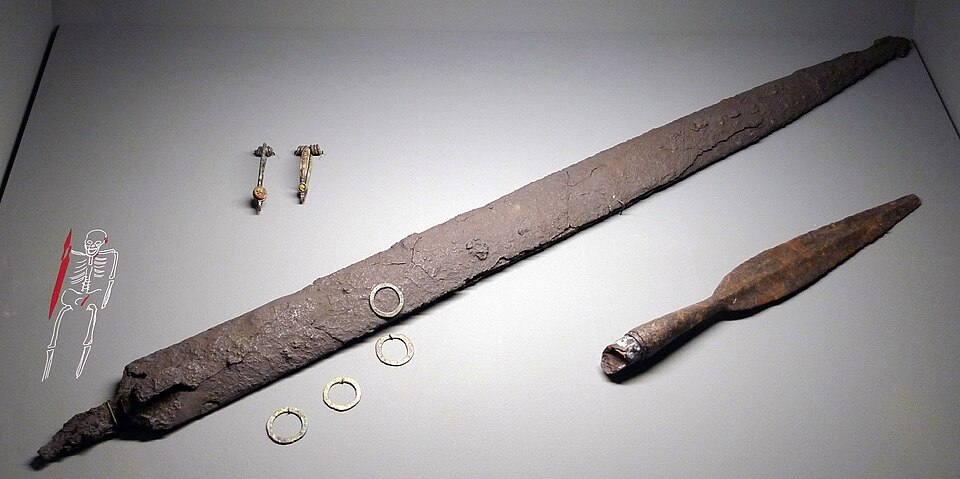
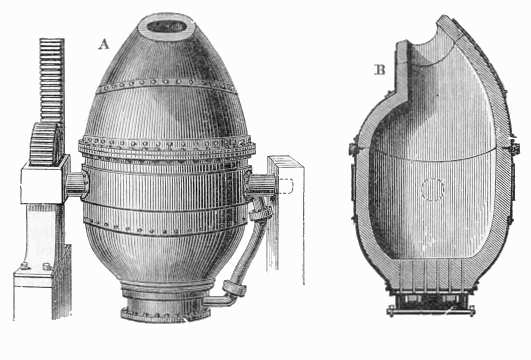
铁匠是如何从赫蒂特·安纳托利亚(英语:Hittite Anatolia)通过盾形的铸造,乌兹钢铁和乌尔夫伯赫特剑而兴起的,在贝塞默尔时代幸存下来,以艺术身份回归.
阅读 →
02
文化与地位
从赫法厄斯图斯到奥贡的史密斯神,格蕾特娜格林安维尔的婚礼,圣克莱门特节,以及铁匠的社交地位如何升起,都崩溃了,回来.
阅读 →
03
大学与入行路径
进入铁匠的真正路线:学徒,英国和美国的学位课程,德国硕士考试,日本剑匠执照,及其成本.
阅读 →
04
实务与诀窍
铸造内部的工艺:用颜色读取热量,控制锤子,铸造焊接,从惠特克到阿斯佩里的技术匠实际上都传下来了.
阅读 →
05
传奇人物
从马萨穆纳失去的翁乔刀刃到塞缪尔·耶林的200人制片厂和克拉德利·海斯的连锁制造者——八位定义了该工艺的铁匠.
阅读 →
06
AI与未来
一个世纪前工业将铸造自动化 幸存下来的是机器无法承受的部分:定制工作,修复和手工制造的溢价.
阅读 →
07
薪酬与市场
美国、英国、德国、瑞士、日本和印度的铁匠们 从学徒到主人的实际收入, 以及需求的真正所在。
阅读 →
常见问题
铁匠还存在吗? 他们能赚多少?
是的,但几乎没有一个是鞋马或钉子。 现代铁匠铸造城门,栏杆,巴路石刻和楼梯,一次性雕塑,定制刀具和工具,电影和戏剧道具等建筑工程,以及类似历史铁工的修复. 工业通过机器制造零件;手工业在市场的风俗、艺术和遗产端生存。
成为铁匠需要多长时间?
你可以在周末课程中伪造一个钩子;谋生需要很多年。 德国在金属设计方面的规范学徒工作历时三年半,英国的学位和大学路线需要两到三年,大多数工匠都说真正的流利——毫不犹豫地移动金属——到达了3到5年的日常造型中某个地方,在十年之外掌握了掌握.
铁匠挣多少钱?
轻轻的 尾巴很长 在美国,受雇和独立铁匠的收入大多为35 000至60 000美元(2024年);联合王国车间铁匠通常为25 000至35 000英镑。 已建的建筑工作室和知名的刀匠可以赚到6个佣金,而南亚和非洲非正规经济体的村匠则能挣到其中的一小部分。
铁匠和远人有什么区别?
更远的鞋马;铁匠一般会伪造金属. 他们历史上是同一个人,技能重叠,但远征现在是一个单独的、经常受管制的贸易——在英国,不根据1975年法里耶斯(注册)法案登记就用马鞋是违法的,而铁匠本身则在大多数国家根本不需要任何许可证。
你需要大点强壮才能伪造吗?
比神话中暗示的要少. 高效的造型使用锤子反弹,体重和准确的放置而不是手臂强度——教官们用头几天时间来矫正握力张力,而不是建立肌肉. Power hammers and presses 处理任何专业店铺中的重工段,过去50年中工艺中最有影响力的很多铁匠,包括伊丽莎白·布林姆,都是女性.
为什么叫"黑"铁匠?
从金属,而不是烟尘。 铸造中加热的铁会生长一种深灰色的氧化物皮肤,称为火尺度,因此铁是"黑色金属",其工人是铁匠. 与此形成对比的是白匠,他们工作着明亮,低热度的金属,如锡和皮革,或者做了完成伪造工作的备案和抛光工作来闪耀.
真正的铸铁还在制造吗?
不是商业上的。 真正的铸造铁——维多利亚式大门的纤维化,渣土化的材质——在1970年代中期英国工业生产退出,今天的"磨铁"栅栏几乎总是温和的钢铁. 修复工匠保留了被打捞的旧铁的库存,并将其循环用于遗产工作,这是像修复一样真实的原因之一,它支配着它所做的价格.
AI和机器人会取代铁匠吗?
一个多世纪前,可替换部分被替换:在1850年到1950年间,滴铸机,钉子机和链焊机占据了贸易的量产核心,使劳动力崩溃. 幸存的恰恰是不能实现自动化的——一次性佣金、特定地点的设计、与原始技术挂钩的遗产修复,以及买家为制造人类的人付费。 AI制作图纸;它不能握住锤子。
嵌入此榜单
将这段代码粘贴到您的博客或网站,榜单会保持最新。
已复制