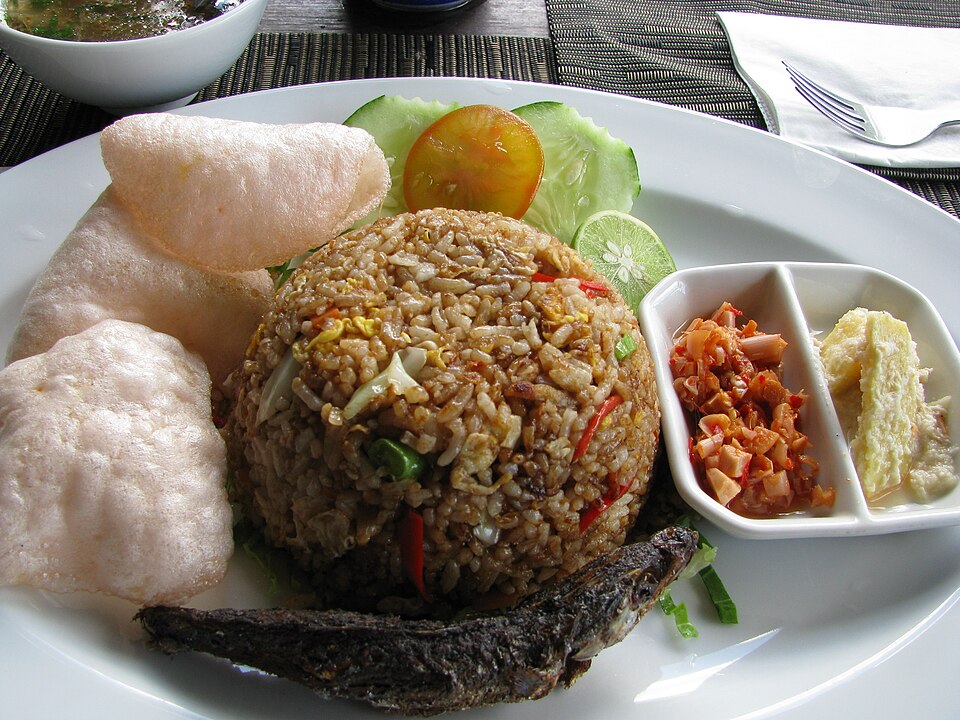
c. 1st millennium
Rice and boat spice
Austronesian rice and the clove-nutmeg east were already in motion.
Indonesian cuisine · Islands of sambal and coconut: rendang, nasi goreng and a spice-trade pantry across 17,000 islands.
Milestones in order. This is history, not a weekly activity grid.
Darker cells mean a higher score for this topic on that metric.
LessMore
Last reviewed Sources & creditsMedia creditsMethodology
Indonesian cuisines sit on rice, coconut, sambal and a spice-trade history that once remade the world economy. Javanese sweetness, Padang heat and Chinese-Indonesian noodles share warung tables more than a single national recipe.
Indonesian cuisine sits at spice 78 in this atlas. Nasi goreng and Rendang show the range better than a single heat number.
Nasi goreng plus one regional plate — not only the export icon.
Chili relish family, raw or cooked, the table heat.
Warung and kaki lima carts are the public kitchen. Nasi goreng is the leftover-rice genius that UNESCO-adjacent campaigns tried to nationalise.
The home pantry around Sambal and the labour behind Rendang rarely fit a takeaway box.
Indonesian cuisine did not arrive as a single national plate. Its older structure is visible in Nasi goreng, Sambal and the regional kitchens that still disagree.
Court, village and street cooked on different clocks. The ten-point timeline below keeps those clocks in view rather than flattening them into a brand story.
Indonesian cuisines sit on rice, coconut, sambal and a spice-trade history that once remade the world economy. Javanese sweetness, Padang heat and Chinese-Indonesian noodles share warung tables more than a single national recipe.
Austronesian rice and the clove-nutmeg east were already in motion.
Indian Ocean and court cuisines mixed on Java and Sumatra.
New courts and chili (later) remade coastal tables.
New World capsicum entered through Portuguese and regional trade.
Colonial extraction of spice; rijsttafel as a performance of plenty.
Javanese tempeh is documented as everyday protein.
Nasi goreng and rendang were asked to stand for a new republic.
Postcolonial Netherlands kept a memory rijsttafel and Indo home table.
Urban malls and migrant kitchens nationalised regional plates.
Global lists and diaspora restaurants pushed Minang stew abroad.
Austronesian rice and the clove-nutmeg east were already in motion.
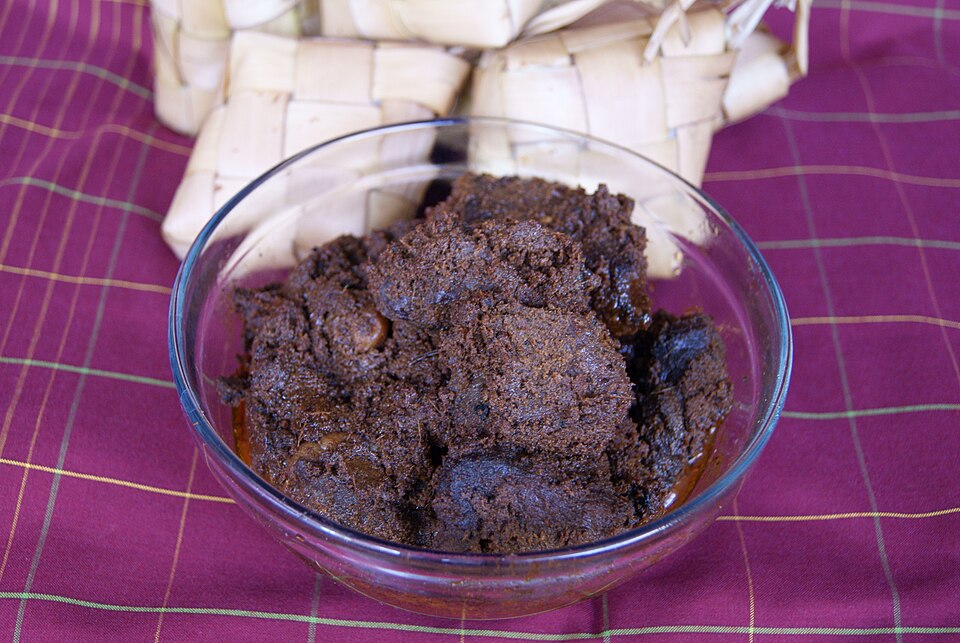
New courts and chili (later) remade coastal tables.
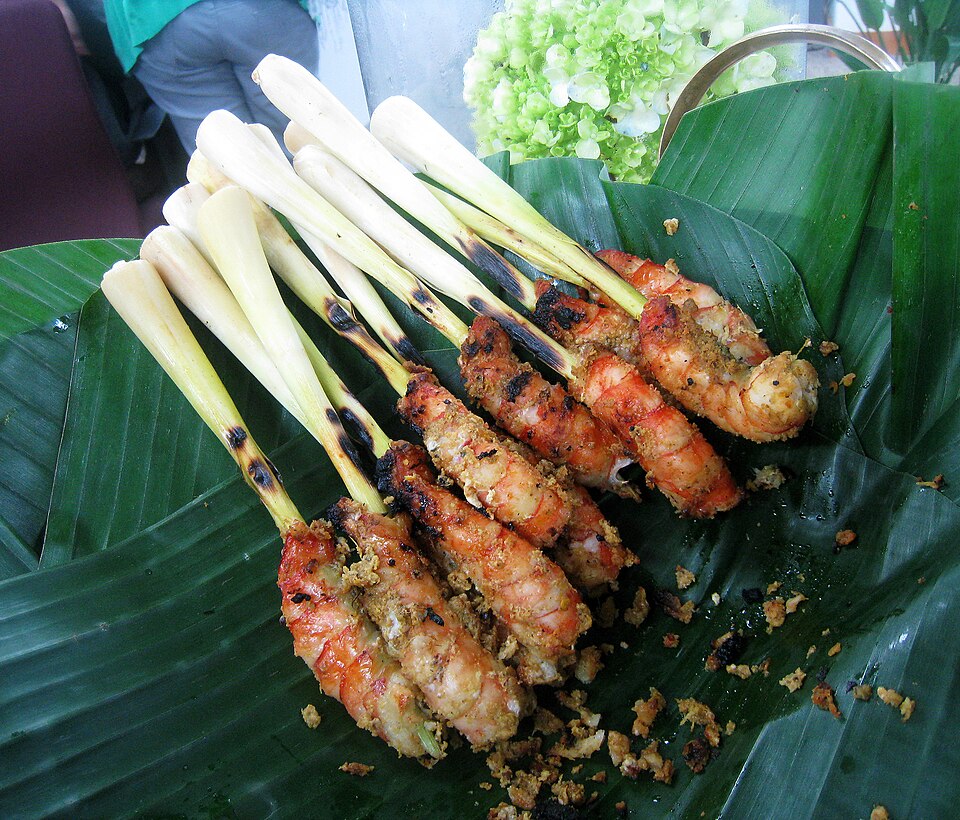
Colonial extraction of spice; rijsttafel as a performance of plenty.
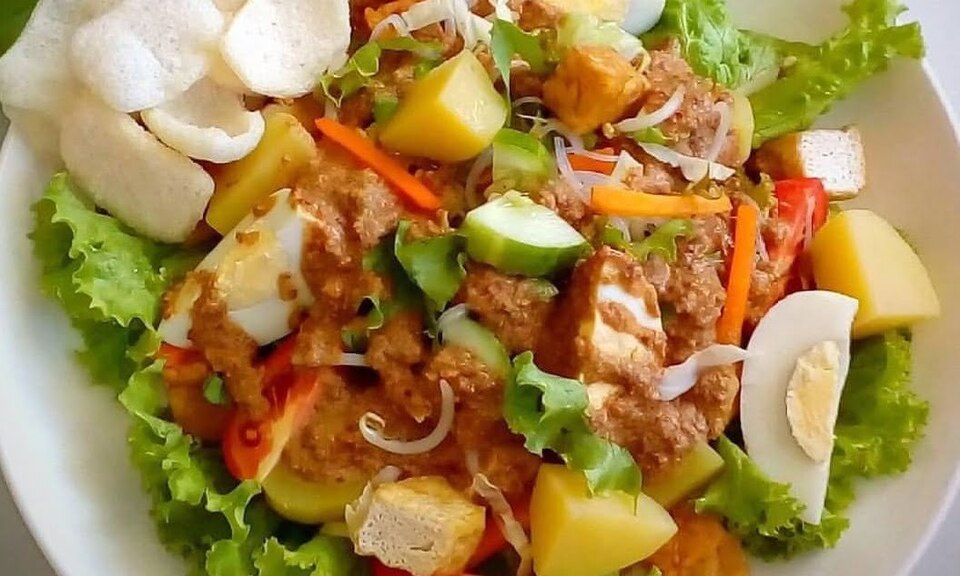
Nasi goreng and rendang were asked to stand for a new republic.
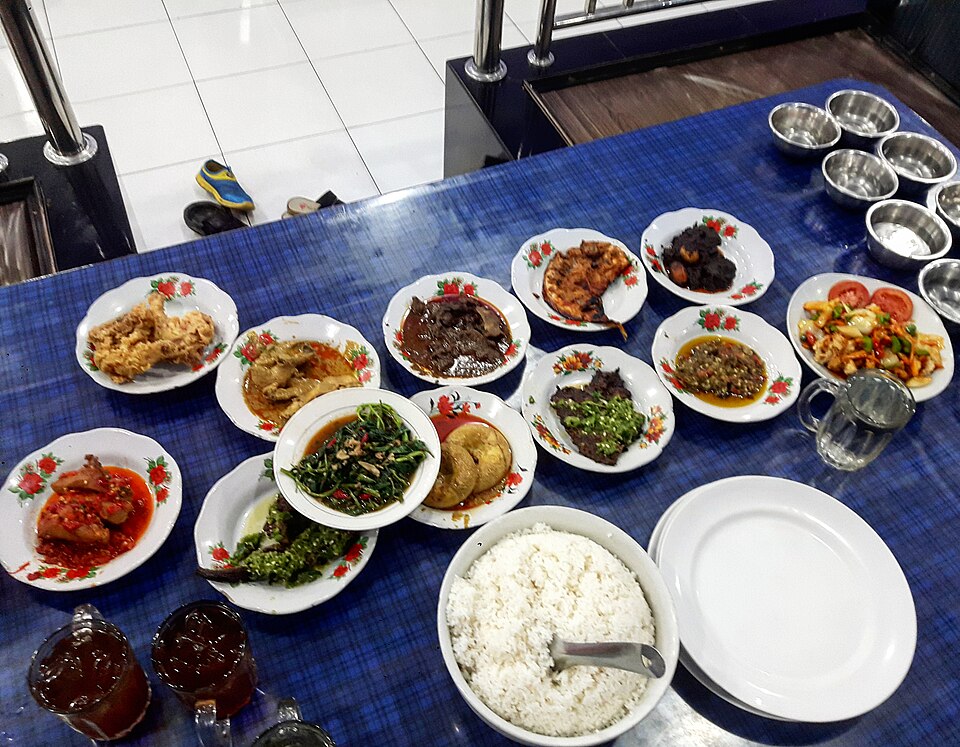
Urban malls and migrant kitchens nationalised regional plates.
Indian Ocean and court cuisines mixed on Java and Sumatra.
Colonial extraction of spice; rijsttafel as a performance of plenty.
Urban malls and migrant kitchens nationalised regional plates.
A history of Indonesian cuisine that starts at the airport restaurant will miss the ferments, markets and labour that actually built the table.
Tadka, dal and a subcontinental map: masala, rice, breads and heat that is not one curry.
Overall 76 🍗Vinegar, garlic and a fiesta table: adobo, sinigang and the Chinese-Spanish-American pantry of the islands.
Overall 62 🍜Malay, Chinese and Indian tables under one roof: nasi lemak, laksa and the mamak shop.
Overall 70