16 min read
If you only read one thing
From intention to muscle — cortico-basal ganglia-cerebellar loops that select, time and correct movement.
Key takeaways
Motor control is how the nervous system turns goals into coordinated force — predicting sensory consequences, selecting synergies and correcting errors in real time. Primary motor cortex, premotor and supplementary areas, basal ganglia (including STN), cerebellum and spinal pattern generators form nested loops — not a one-way “command wire”. Educational neuroscience context only — not medical advice or diagnosis.
Jump to section
Previous
Social Cognition
Next
Anxiety
Who this is for From intention to muscle — cortico-basal ganglia-cerebellar loops that select, time and correct movement.
Print this page
Key scores Research 90 Awareness 65 Complexity 75 Clinical weight 78 Plasticity 70 Live debate 55 Memory Attention Language Emotion Key numbers 90 Research 65 Awareness 75 Complexity 78 Clinical weight How to use this page 1 Scan the key numbers and takeaways 2 Open the chapter you need 3 Compare a related topic in this language Last reviewed 2026-08 Sources & credits Media credits Methodology
Also known as sensorimotor control action selection motor systems Who it fits Best for cognition · research
Not a substitute for Educational reference only — not a diagnosis, treatment plan or personal medical advice. Seek a licensed clinician for individual care.
Reading outline Overview 2 min Anatomy 2 min Function 2 min Clinical 2 min Methods 2 min People 2 min Frontiers 2 min cognition atlas Function Methods People Frontiers Overview Note Educational reference only — not a diagnosis, treatment plan or personal medical advice. Seek a licensed clinician for individual care.
Key takeaways
Focus: action & timing Research: 90/100 Awareness: 65/100 Complexity: 75/100
Open brain atlas →
Quick facts action & timing Focus
90/100 Research
65/100 Awareness
75/100 Complexity
78/100 Clinical
55/100 Debate
Motor control is how the nervous system turns goals into coordinated force — predicting sensory consequences, selecting synergies and correcting errors in real time.
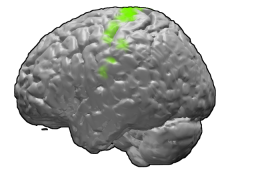
Primary motor cortex, premotor and supplementary areas, basal ganglia (including STN), cerebellum and spinal pattern generators form nested loops — not a one-way “command wire”.
Educational neuroscience context only — not medical advice or diagnosis.
Local lens clinics, schools and research labs.
Educational atlas — not a diagnosis, treatment plan, or medical advice.
Cognition.
Start here primary M1 Penfield map
90 Research editorial band
select STN basal ganglia loop
0 Dose no prescription or dose
Orient — Motor Control — CognitionCompare — Use compare / related rails for neighbours.Go deep — AnatomyCheck local — Check localLens before treating English norms as universal.Desk note Primary desk: clinics, schools and research labs.
Note Educational atlas — not a diagnosis, treatment plan, or medical advice.
Limit clinics, schools and research labs
Scope Editorial scores are browsing aids, not certificates.
Primary — clinics, schools and research labsSecondary — CognitionMethod — Editorial synthesis — prefer primary desks for decisions.Motor Control — concrete atlas depth on Tool-Lifes.
Local source desk Clinic vs school support here Care pathways and school supports are national. This atlas is educational — not a diagnosis.
Clinic door GP / neurology / memory clinic (NHS or insurance referral)
School support IEP / 504-style plans — names differ; ask the school, not a blog
Research vs care Lab findings are not a treatment plan
Named sources NINDS / NICE-style public pages — dated editions Keep this desk beside the atlas when a school or clinic conversation is open.
Not a diagnosis, treatment plan or medical advice. Scores are browsing aids.
Cognition Cognition — clinics, schools and research labs.
Limit Educational atlas — not a diagnosis, treatment plan, or medical advice.
Field terms
Local lens Everyday desks for this language community.
Editorial score 0–100 browsing aid inside this atlas only.
Caveat Educational atlas — not a diagnosis, treatment plan, or medical advice.
Primary desk clinics, schools and research labs
Start path overview → anatomy → function
FAQ Eight distinct questions per topic page.
Share blurb Native one-liner for social previews.
Best-30 Quality pass for locale, traffic and premium rails. How to use this atlas Start here — OverviewNext — AnatomyThen — FunctionCheck local — Local lensTools Open the brain quiz
Local systems
English-speaking clinics and labs DSM/ICD teaching frames - not a diagnosis
hospital neurology and psychology labs schools, clinics and research centres
overview cognition · Motor Control Local examples schools, clinics and research centres hospital neurology and psychology labs Prefer local desks before English defaults. Quick FAQ What is primary motor cortex M1 for? M1 maps body parts and drives corticospinal output for skilled force. One loop node, not a single motor centre for every skill.
Who mapped the motor homunculus in the 1930s-50s? Wilder Penfield Montreal stimulation popularised the body map. Teaching silhouette — not a personal exam.
How do basal ganglia and cerebellum differ? Basal ganglia including STN bias action selection; cerebellum times and predicts errors. Nested loops, not a one-way command line.
How to read this page Start here — Overview — Motor ControlNext — Anatomy · clinicsThen — Function · CognitionMotor Control — concrete atlas depth on Tool-Lifes.
Editorial timeline 1 — overview · Motor Control2 — anatomy · hospital neurology and psychology labs3 — function · cognition2026 — Editorial review stampPrimary desks Primary frame — DSM/ICD teaching frames - not a diagnosisSecondary frame — hospital neurology and psychology labsMethod note — schools, clinics and research centresNote Educational atlas — not a diagnosis, treatment plan, or medical advice.
The profile
90 65 75 78 70 55
Research 90 Awareness 65 Complexity 75 Clinical weight 78 Plasticity 70 Live debate 55 Seven ways into this topic Frequently asked questions What is primary motor cortex M1 for? M1 maps body parts and drives corticospinal output for skilled force. One loop node, not a single motor centre for every skill.
Who mapped the motor homunculus in the 1930s-50s? Wilder Penfield Montreal stimulation popularised the body map. Teaching silhouette — not a personal exam.
How do basal ganglia and cerebellum differ? Basal ganglia including STN bias action selection; cerebellum times and predicts errors. Nested loops, not a one-way command line.
Is this a rehab protocol or dose guide? No. Educational atlas of published loops. No diagnosis, no exercise prescription, no medication dose.
What classroom demo shows prediction? Reach-to-grasp under sudden load or prism adaptation: the nervous system predicts sensory consequences and corrects in tens of milliseconds.
Research score 90 — ranking of athletes? No. Editorial 0-100 inside this atlas. Compare Executive Function and Perception after Overview, Anatomy, Function.
Where should readers start? Overview then Anatomy then Function; pin M1 against cerebellar loops on the atlas dual view.
What reusable tool is on this site? Atlas finder plus dual lateral/medial view: highlight M1 and cerebellum side by side without inventing a lesion map.
Previous
Social Cognition
More in Cognition
🧩
Memory
How the brain encodes, stores and retrieves experience across systems.
🎯
Attention
Selecting what enters awareness — and what the brain must ignore.
💬
Language
Speech, comprehension and the cortical networks that make meaning.
💓
Emotion
Affective circuits linking body states, appraisal and social meaning.
⚖️
Decision-Making
Value, risk and control — how choices emerge from competing signals.
😴
Sleep
Oscillations, stages and the nightly work of memory and repair.
🔄
Neuroplasticity
How experience rewires synapses, maps and recovery trajectories.
✨
Consciousness
Awareness, reportability and the hard problem still facing science.
📚
Learning
How practice, prediction and reward reshape circuits over time.
👁️
Perception
Building a usable world from noisy sensors and prior expectations.
🔥
Pain
A protective percept built from nociception, context and prediction.
⏳
Brain Aging
Lifelong change in structure, networks and cognitive reserve.
✨
Belief, Expectation & Becoming
Where self-help, manifestation metaphors and religious hope meet expectancy, attention and prediction — and where they overclaim.
🕯️
Contemplative Practice
Meditation, prayer and liturgy as trained attention and regulation — evidence, limits and cultural context.
🧭
Executive Function
Working memory, inhibition and cognitive flexibility — the control system that steers thought and action toward goals.
🤝
Social Cognition
How brains read minds, faces and norms — theory of mind, empathy and the networks that make us social.