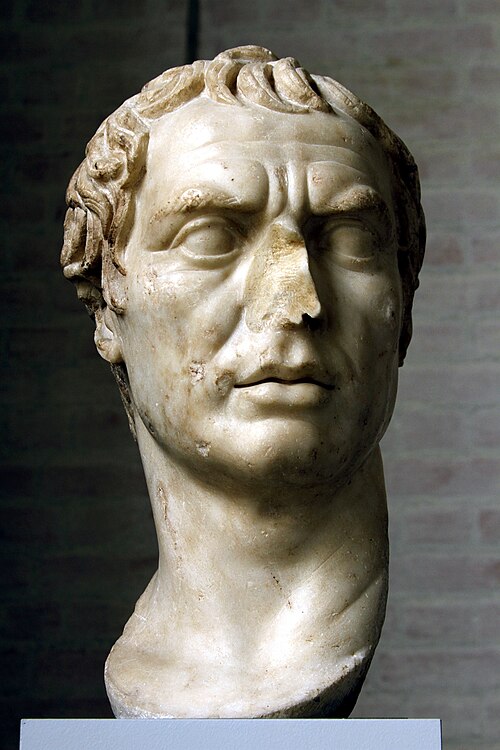
Scipio Africanus
Zama's named victor -- an aristocrat in a levy system, not a timeless genius stencil.
Battle
3
War
3
Point
3
People and debates around Roman military.
Educational history. Casualty figures are documented ranges. This is not operational advice, a ranking of nations, or a how-to for weapons or coups.
Darker cells mean a higher score for this topic on that metric.
LessMore
Last reviewed Sources & creditsMedia creditsMethodology
No. Scores are browsing aids inside an era-bounded atlas — not live league tables of countries.
A traditional story that Gaius Marius created a professional, landless legion in the late second century BCE. Specialists now argue about how sudden or how Marian the changes were. Use as a debate, not as a kit list.
Yes -- notably in the First Punic War and as standing imperial fleets. English memory under-teaches it beside the legion.
A late Roman writer whose Epitoma was read for centuries as a timeless manual. It is a source about late anxiety and earlier ideal types -- not a guide to fight like a legionary.
Because Latin, Christianity's Roman afterlife, Hollywood, and tourism stacked a thick file. Memory is not the same as understanding pay and citizenship.
As institutional analogy (conscription, frontier cost), yes. As racial or "martial people" talk, no.
The column, the wall, the red Hollywood cloak, Caesar's bust in a school hall.
A Korean textbook map of the Mediterranean as a distant empire.
Zama's named victor -- an aristocrat in a levy system, not a timeless genius stencil.
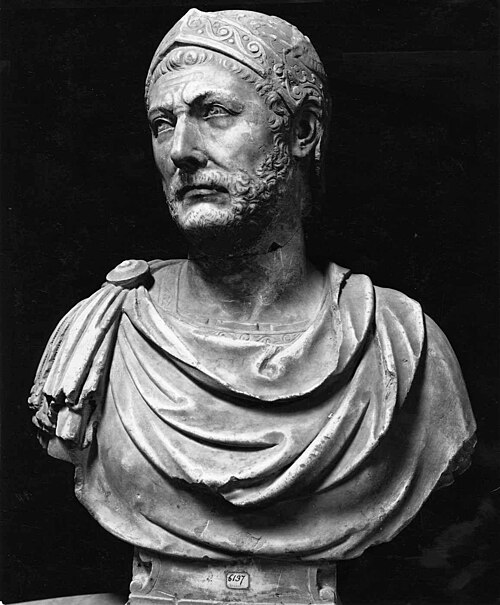
The opponent who made Roman structure visible at Cannae and after. Not a Roman officer -- necessary on this page.
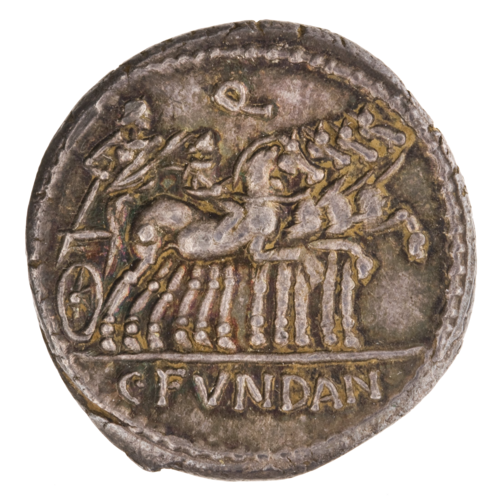
The professionalisation debate's human face. Handle as argument, not as inventor of the legion.
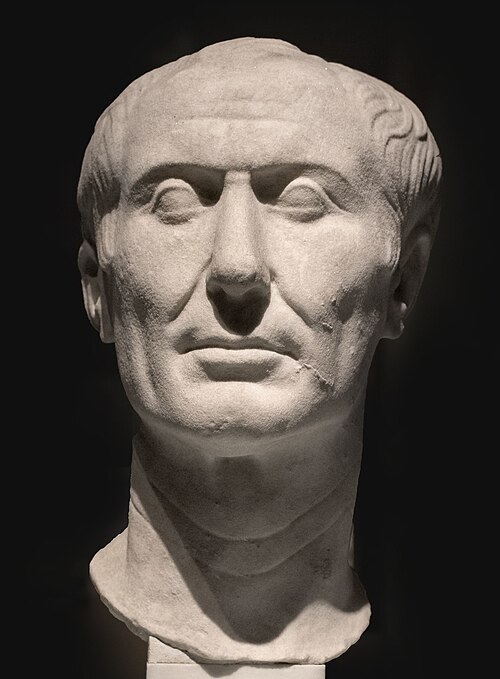
Gaul commentaries as self-advertisement; civil war as the army-politics hinge English students already know.
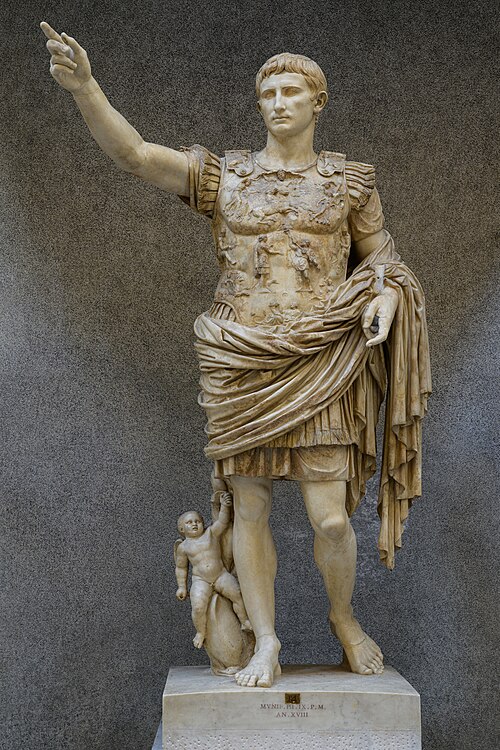
Regular pay and service -- the institutional settlement after Actium.
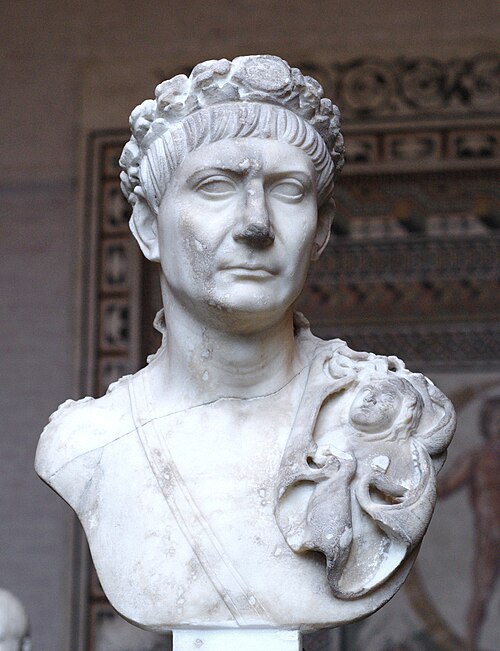
Dacia and a column -- expansion as a carved sentence.
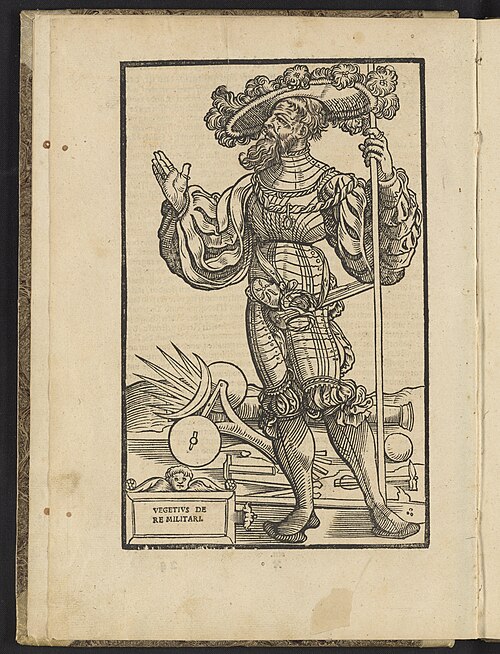
The late handbook that later Europeans treated as eternal. A source about decline-talk, not a drill instructor for you.
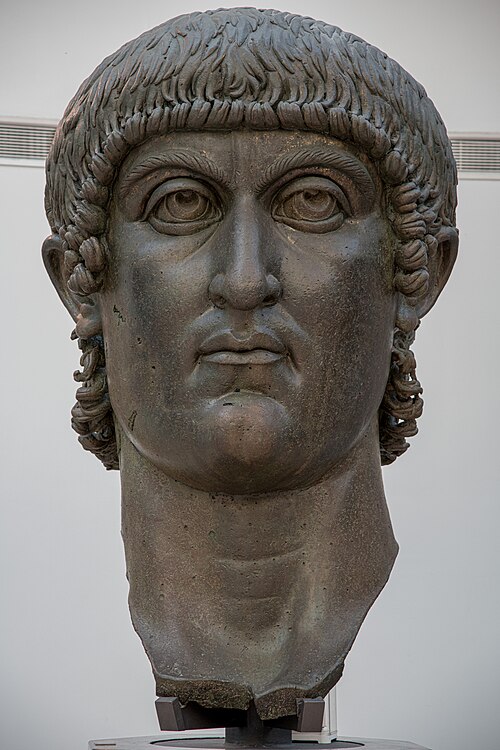
Army, church, and a new capital -- the late-force political hinge English readers meet in a different syllabus.
Specialists disagree on suddenness and on Marius's personal role. The political-army problem is larger than one consul.
Vegetius said so. Many historians now stress adaptation and politics. Do not take a late pamphlet as a scoreboard.
A strategy game is not Polybius.
Testudo close-ups erase logistics.