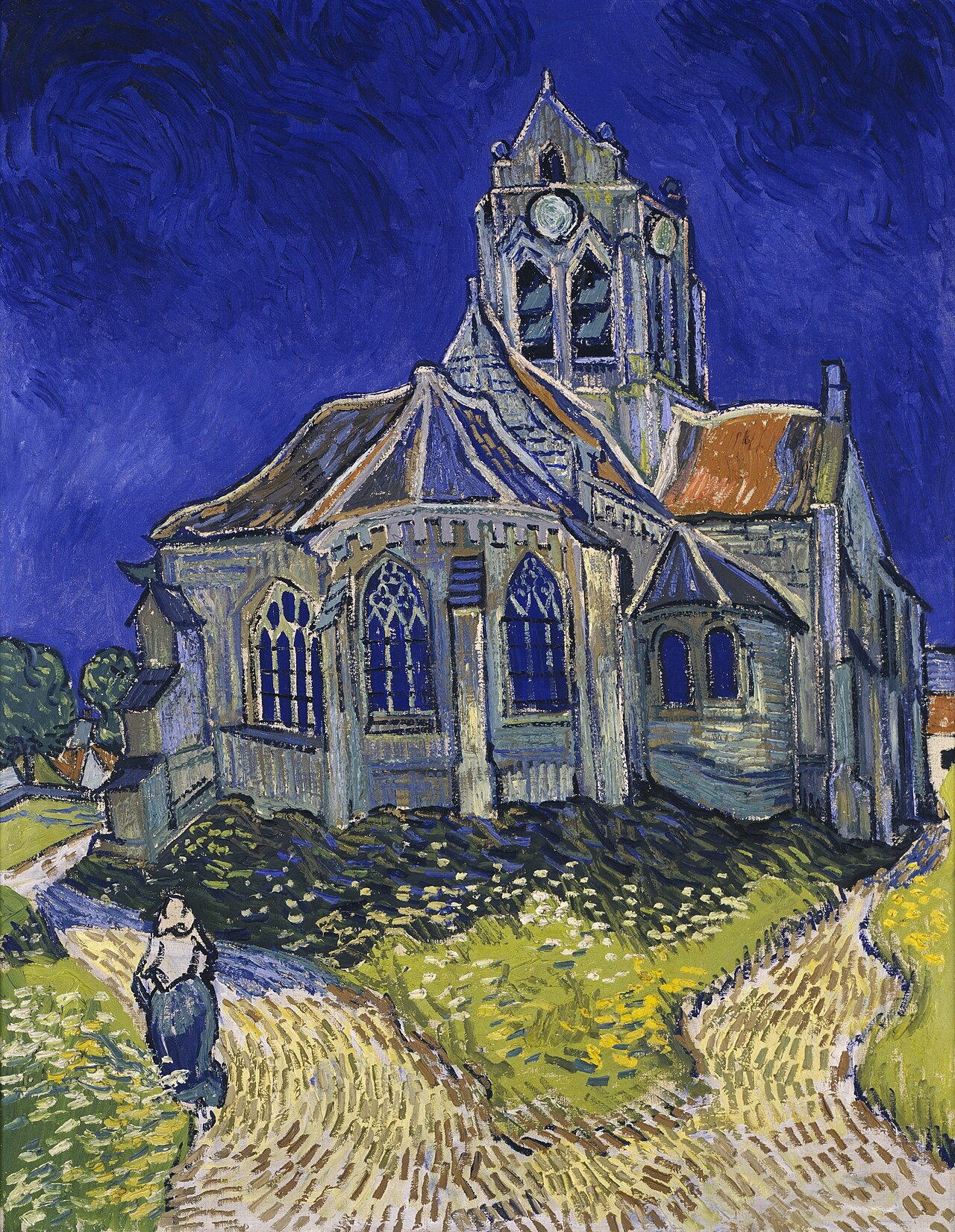
Visual-art talent is skill in seeing relationships — line, value, colour, space — and in making images or objects that other people can enter.
Ellen Winner has described children whose drawings are conceptually advanced while schoolwork is ordinary. Atelier traditions (from Renaissance workshops to 예고 studios) treat looking as trainable. Neither story alone is enough.
This page is not a ranking of painters and not a claim that “right-brained” children skip geometry.
How this talent is seen here
English-speaking systems · US, UK, Canada, Australia and related school markets
Visual-art talent shows up here through tests, conservatories, academies and workplace stories — windows that already mix training with starting points.
What follows is a map of institutions, not a diagnosis. Selection usually measures current performance.
Culinary talentSame atlas neighbourhood as Visual-art talent (arts).
Spatial talentSame atlas neighbourhood as Visual-art talent (arts).
Leadership talentSame atlas neighbourhood as Visual-art talent (arts).
Key terms
Corridor
Route, season or institution that sets access.
Envelope
Safe operating band — speed, depth, load or dose.
Certification
Agency or type-approval gate before public use.
Transfer
Skill carry-over across domains; usually limited.
Era bound
Figures valid only inside a dated window.
Local lens
Country/language notes that must not stay English under a local URL.
Local lens
schools, clubs and labs.
selection systems without group rankings.
Field note
coaches, teachers and clinics.
conservatories, gyms and classrooms.
Caveat
Prefer dated bands over current live figures.
Scores here are browsing aids.
58innateWeightEditorial 0-100 browsing score
82trainabilityEditorial 0-100 browsing score
62earlyWindowEditorial 0-100 browsing score
60evidenceEditorial 0-100 browsing score
Visual-art talent: concrete atlas depth on Tool-Lifes.
Frequently asked questions
Does this atlas rank groups by IQ, race or nation?
No. Pathways and evidence stay individual. Scores are browsing aids — never group biological or racial ranks.
Do art tests work?
Portfolios beat group IQ sittings. Draw-a-person historic screens mixed development with culture and are not modern identification.
Is the “right brain” the art brain?
Popular laterality talk outran the evidence. Drawing uses many systems, including spatial and motor networks that are not a personality type.
What about savant drawing?
Nadia and some Treffert cases show extraordinary graphic memory with disability. That is a clinical profile, not a school category and not entertainment.
Does art talent transfer to STEM?
Spatial skill links to some STEM paths (see spatial-talent). “Art makes you a better doctor” is a weaker, often promotional claim.
Are prodigy painters common?
Wang Yani and others exist. Most strong adult artists were not famous at eight. Late looking still counts.
Do conservatory-style art high schools help?
Korea 예고 and similar schools buy hours and critique. They also narrow identity early.
Is taste the same as talent?
Judgement is part of the craft and is culturally trained. A jury is not a gene assay.