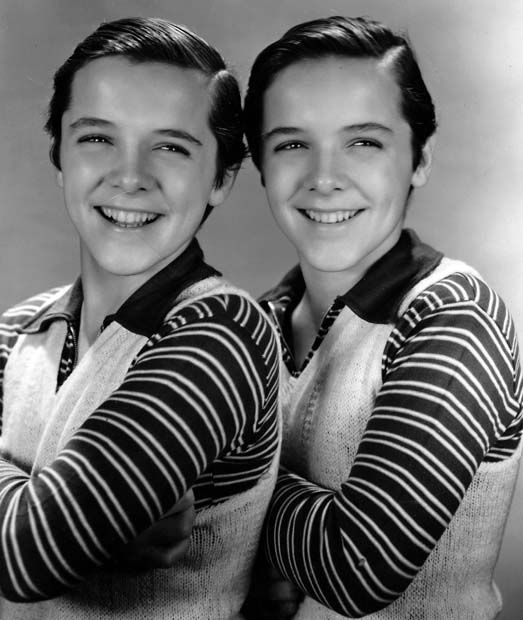
Nature versus nurture is the oldest public argument about talent: whether outstanding performance is born, made, or — in every serious modern account — both, in interaction.
Francis Galton coined the English contrast in the 1870s. Later behavioural genetics replaced the tug-of-war with heritability, gene–environment correlation and interaction. Those figures describe variance in a studied population, not fate for a child.
This atlas treats the phrase as a research programme and a cultural fight. It does not rank ancestral groups, and it does not treat a twin-study percentage as a life sentence.
How this talent is seen here
English-speaking systems · US, UK, Canada, Australia and related school markets
Nature and nurture shows up here through tests, conservatories, academies and workplace stories — windows that already mix training with starting points.
What follows is a map of institutions, not a diagnosis. Selection usually measures current performance.
Teaching talentSame atlas neighbourhood as Nature and nurture (science).
Key terms
Corridor
Route, season or institution that sets access.
Envelope
Safe operating band — speed, depth, load or dose.
Certification
Agency or type-approval gate before public use.
Transfer
Skill carry-over across domains; usually limited.
Era bound
Figures valid only inside a dated window.
Local lens
Country/language notes that must not stay English under a local URL.
Local lens
schools, clubs and labs.
selection systems without group rankings.
Field note
coaches, teachers and clinics.
conservatories, gyms and classrooms.
Caveat
Prefer dated bands over current live figures.
Scores here are browsing aids.
50innateWeightEditorial 0-100 browsing score
52trainabilityEditorial 0-100 browsing score
55earlyWindowEditorial 0-100 browsing score
88evidenceEditorial 0-100 browsing score
Nature and nurture: concrete atlas depth on Tool-Lifes.
Frequently asked questions
Does this atlas rank groups by IQ, race or nation?
No. Pathways and evidence stay individual. Scores are browsing aids — never group biological or racial ranks.
Did Galton settle the question?
Galton named the English contrast and promoted pedigree thinking. He did not have twin or molecular designs. Later work discarded his racial hierarchy project.
What do twin studies actually show?
When raised apart or compared as MZ versus DZ pairs, many cognitive and personality traits show substantial genetic influence and surprisingly small effects of the shared family home — in the environments those studies sampled.
Does a high heritability mean training is pointless?
No. Height is highly heritable and still responds to nutrition. Heritability is not unmodifiability.
Why refuse group IQ rankings here?
Between-group score gaps are not a clean genetic ranking. They confound tests, opportunity, health, language and history. This atlas will not launder that confusion as science.
What is gene–environment correlation?
People seek, evoke and are placed in environments that fit their dispositions — music lessons after a parent hears pitch, or a maths circle after a teacher notices speed. Genes and culture then travel together.
Is the debate over?
The slogan is over. The measurement problems are not: which environments, which ages, which outcomes, and who was never in the sample.
How should a school use this page?
As vocabulary. Identification systems still need local ethics, not a heritability coefficient posted on a wall.