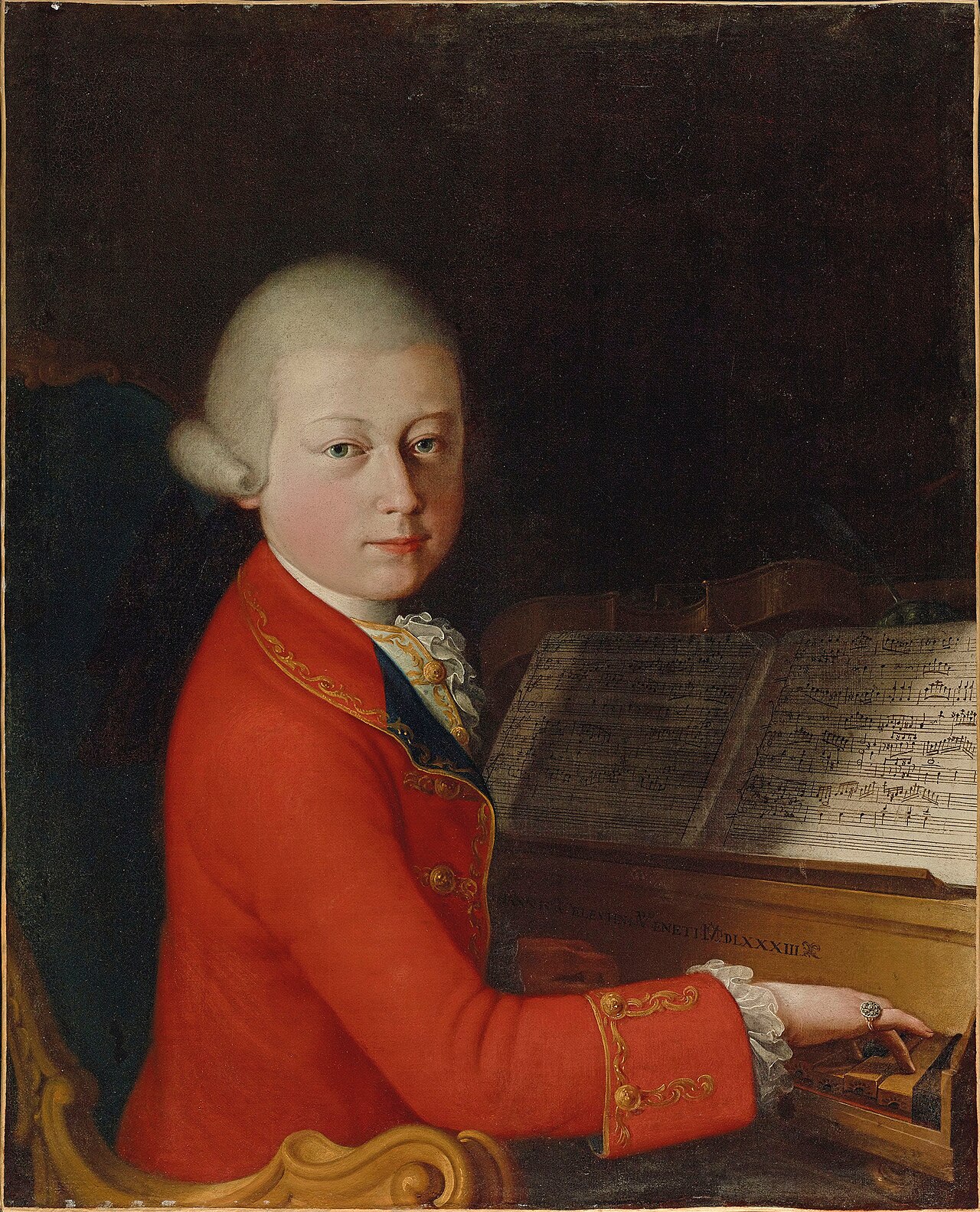
A prodigy is a child whose performance in a domain already meets adult professional standards — music, maths, chess, sometimes art. The word is older than the research.
David Henry Feldman and Ellen Winner have described prodigies as domain-specific and often uneven. Mozart’s touring childhood is the European template and a family enterprise. Many adult greats were not prodigies; many prodigies do not become adult innovators (Simonton’s broader point).
Visibility is extreme, so extraction is the ethical problem. This page is not a parent manual and not a ranking of wonder children.
How this talent is seen here
English-speaking systems · US, UK, Canada, Australia and related school markets
Prodigies shows up here through tests, conservatories, academies and workplace stories — windows that already mix training with starting points.
What follows is a map of institutions, not a diagnosis. Selection usually measures current performance.
Country/language notes that must not stay English under a local URL.
Local lens
schools, clubs and labs.
selection systems without group rankings.
Field note
coaches, teachers and clinics.
conservatories, gyms and classrooms.
Caveat
Prefer dated bands over current live figures.
Scores here are browsing aids.
85innateWeightEditorial 0-100 browsing score
55trainabilityEditorial 0-100 browsing score
95earlyWindowEditorial 0-100 browsing score
70evidenceEditorial 0-100 browsing score
Prodigies: concrete atlas depth on Tool-Lifes.
Frequently asked questions
Does this atlas rank groups by IQ, race or nation?
No. Pathways and evidence stay individual. Scores are browsing aids — never group biological or racial ranks.
Are prodigies globally gifted?
Usually not. Winner’s asynchrony applies: a concert violinist child may still need help with peers or handwriting.
Do prodigies become eminent adults?
Some do (Tao, Polgár). Many do not become creative innovators. Childhood rank is a weak adult-creativity forecast.
Is it all training?
Hours are usually enormous and family-organised (Bloom; Polgár). Starting points still look extreme. High innate weight and a very high early window are the honest pair.
Was Mozart a typical case?
He is the template, not the mean. A father-manager, a tour circuit, and a later adult composer are three different files.
What about Kim Ung-Yong and IQ headlines?
High-IQ child stories are a media genre. IQ is not the same as domain prodigy performance. This page will not run group IQ ranks.
Should children be specialised immediately?
Domain hours create the prodigy file and can steal a childhood. Ethics is part of identification, not an extra chapter.
Is a viral child a prodigy?
A clip is a sample of one night. Adult-level, repeatable performance is the bar.