Milestones in order. This is history, not a weekly activity grid.
- First intercollegiate game
- Walter Camp begins the reforms
- The first paid professional
- The forward pass is legalized
- A professional league is founded
- The NFL gets its name
- Divisions and a championship game
- The first NFL Draft
- The Greatest Game Ever Played
- The AFL challenges the NFL
- The first Super Bowl
- The merger is completed
- Rules open up the offense
- Free agency and the salary cap
Last reviewed Sources & creditsMedia creditsMethodology
Quick answers
Why is it called football if players mostly use their hands?
The name traces back to the football codes of nineteenth-century England, from which the American game descended, where football simply meant a ball game played on foot rather than on horseback. American football evolved from rugby football, itself a handling variant, and kept the family name even as carrying and throwing became central. Kicking remains important, too: field goals, extra points, punts, and kickoffs are all decided by the foot, and games are frequently won or lost on a kicker leg. The sport that Americans call soccer is elsewhere called football, which is why the American version specifies American football to avoid confusion.
How long does an NFL game actually last?
The game clock covers sixty minutes of play, divided into four fifteen-minute quarters, but a broadcast typically runs about three hours and ten minutes. The gap exists because the clock stops constantly, on incomplete passes, out-of-bounds plays, scores, penalties, timeouts, and the two-minute warning, and because commercial breaks, replay reviews, and halftime add time. Remarkably, the ball is actually in play for only about eleven to eighteen minutes of that window; the rest is huddles, substitutions, and stoppages. This deliberate, stop-start rhythm is part of what makes the sport so strategic, giving coaches time to adjust between nearly every snap.
What is the difference between the AFC and NFC?
The American Football Conference and National Football Conference are the two halves of the NFL, each containing sixteen teams split into four divisions of four. They were created by the 1970 merger of the older NFL with the rival American Football League, whose teams largely formed the AFC. During the regular season teams play mostly within their own conference, and the playoffs run separately in each until the two conference champions meet in the Super Bowl. The distinction is organizational rather than a difference in rules or quality; both conferences play identical football and compete for the same championship.
How does overtime work in the NFL?
If the score is tied after sixty minutes, the game goes to overtime. In the regular season this is a single ten-minute period, and under rules adopted for 2025 both teams are now guaranteed at least one possession, ending the era in which a first-possession touchdown could win it outright. A regular-season game can still finish in a tie if neither team pulls ahead within the period. In the playoffs the rules differ: both teams are guaranteed a possession, and the game continues through as many overtime periods as necessary, because a postseason game cannot end in a tie and must produce a winner.
Why do teams punt on fourth down?
On fourth down a team that fails to gain the remaining yardage hands the ball to its opponent at that spot, often giving them excellent field position. Punting instead kicks the ball far downfield, forcing the opponent to drive a longer distance to score, a trade of possession for territory. Teams weigh the odds: deep in their own end or with long yardage to go, punting is the low-risk choice, while near midfield in short-yardage situations, or when trailing late, analytics increasingly favor going for it. The rise of data-driven decision-making has made coaches noticeably more willing to keep the offense on the field than they were a decade ago.
What is the salary cap and how does it work?
The salary cap is a hard limit on how much each team may spend on player salaries in a given year, designed to keep the league competitive by preventing wealthy franchises from simply buying the best rosters. Introduced in 1994, it rises with league revenue and reached about $255.4 million per team in 2024. Because every team operates under the same ceiling, general managers must make constant trade-offs, and the escalating cost of elite quarterbacks now consumes a large share of many teams cap. Creative contract structuring, signing bonuses, and restructures let teams manage the cap across years, making salary-cap strategy a crucial part of roster building.
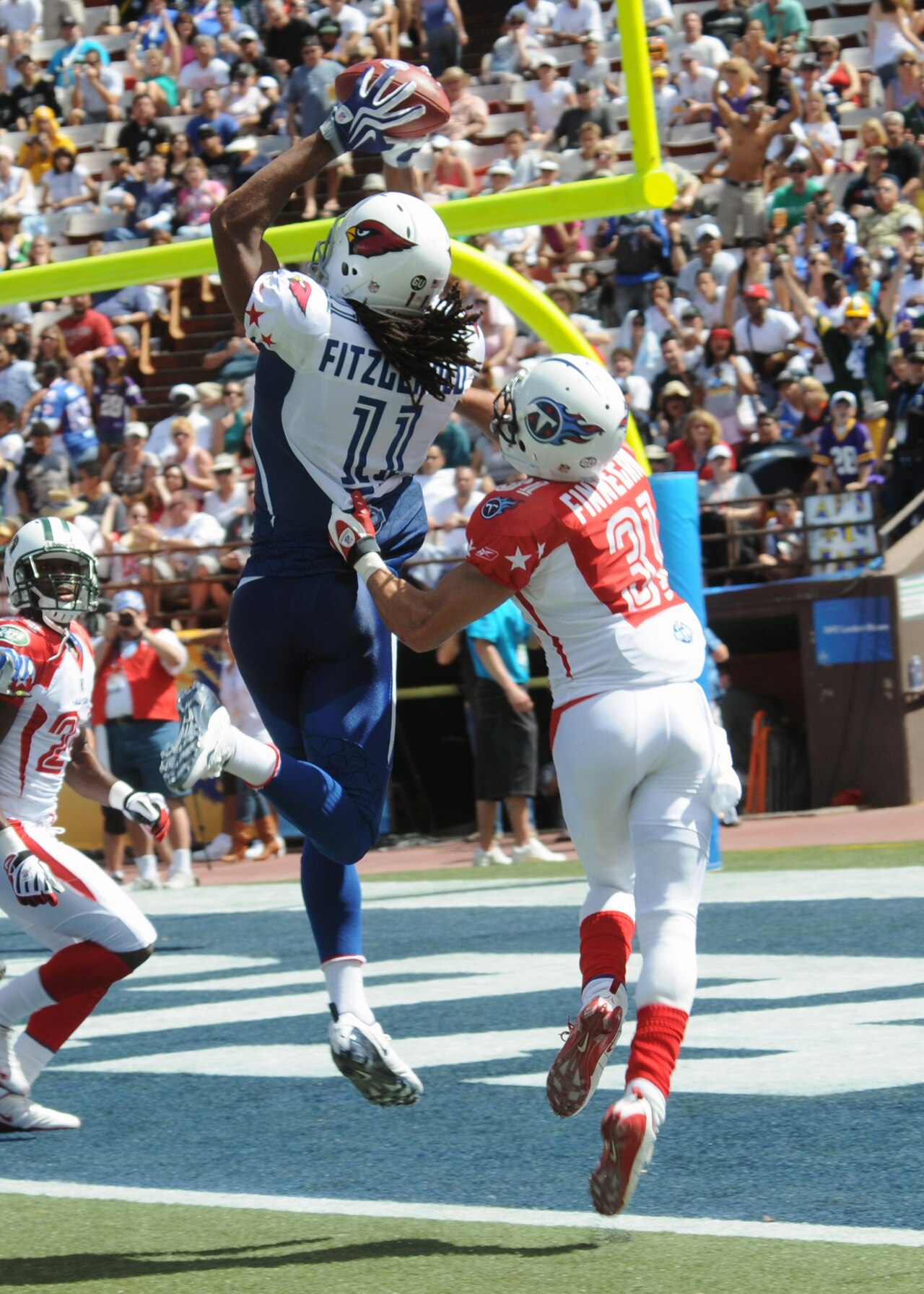
American football descends from the football codes of nineteenth-century England, rugby and association football, adapted on the campuses of the American Northeast. What began as a chaotic hybrid of kicking and carrying was gradually re-engineered into a distinct sport built around possession, the line of scrimmage, and the down. The professional game that followed took decades to stabilize, moving from small-town industrial clubs to a coast-to-coast entertainment industry.
The story is one of continual reinvention. Rules changed to curb deadly violence, to open up the passing game, to balance competition, and to protect players brains; the economics changed from gate receipts to a media empire built on television. Through every shift the essential contest, ten yards in four downs, endured, which is why a fan from 1930 would still recognize the modern game even as almost everything around it transformed.
Timeline
Rutgers defeated Princeton 6-4 in New Jersey in a contest closer to soccer than modern football. It is traditionally cited as the first college football game.
From 1876 onward the Yale player and coach Walter Camp introduced the line of scrimmage, the snap, eleven-man teams, and the system of downs, earning the title Father of American Football.
William Pudge Heffelfinger was paid $500 by the Allegheny Athletic Association to play against a rival club, the first documented instance of a professional football player.
After a brutal 1905 season with numerous deaths prompted President Theodore Roosevelt to demand reform, the forward pass was legalized and the body that became the NCAA was formed.
The American Professional Football Association was organized in a Canton, Ohio auto showroom, with Olympic hero Jim Thorpe as figurehead president. It is the direct ancestor of the NFL.
The American Professional Football Association renamed itself the National Football League, the name it has carried ever since.
The NFL split into two divisions and staged its first scheduled championship game, giving the season a decisive climax rather than deciding titles by standings alone.
The league introduced a college draft, awarding the earliest picks to the weakest teams, a mechanism designed to promote competitive balance that endures as a marquee event.
Johnny Unitas led the Baltimore Colts past the New York Giants in the first sudden-death overtime NFL Championship, watched nationally on television and credited with launching pro football popularity.
The American Football League launched as a rival with a wide-open passing style and a national NBC contract, driving up salaries in a fierce war for talent.
Vince Lombardi Green Bay Packers beat the Kansas City Chiefs 35-10 in the first AFL-NFL World Championship Game, later renamed the Super Bowl.
The NFL and AFL fully merged into a single league of two conferences, the AFC and NFC, and Monday Night Football brought professional football to prime time.
The schedule grew to sixteen games, and new rules, notably barring contact with receivers beyond five yards and freeing pass blockers to extend their arms, triggered an offensive renaissance.
A landmark labor agreement introduced unrestricted free agency alongside a hard salary cap, permanently changing how rosters are built and valued.
Tom Brady, drafted 199th overall in 2000, took over in New England and, with coach Bill Belichick, launched a dynasty that would win six Super Bowls.
The NFL played its first regular-season game outside North America at Wembley Stadium, beginning the International Series that later expanded to Germany, Mexico, and Brazil.
The NFL agreed to a settlement, initially valued around $765 million, with thousands of former players over brain injuries, forcing safety to the center of the sport agenda.
The league expanded the regular season from sixteen games to seventeen, the first change to the schedule length in over four decades and a boost to media inventory.
The eras
College origins and the birth of pro football
American football grew out of rugby and soccer variants played on Northeastern campuses. The 1869 Rutgers-Princeton contest is often cited as the first intercollegiate game, though it resembled soccer far more than the modern sport. The decisive figure was Walter Camp of Yale, who between 1876 and the 1880s introduced the line of scrimmage, the snap from center, eleven-man sides, and the system of downs, the innovations that separated football from rugby. The early game was brutally violent; mass-momentum plays like the flying wedge produced dozens of deaths, and in 1905 President Theodore Roosevelt pressured colleges to reform. The response legalized the forward pass in 1906 and created the body that became the NCAA. Professional play emerged quietly: in 1892 William Pudge Heffelfinger was paid $500 to play for the Allegheny Athletic Association, the first documented pro. By the 1910s, industrial clubs across Ohio and Pennsylvania fielded paid teams, setting the stage for a national league.
The NFL takes shape
The American Professional Football Association was founded in a Canton, Ohio auto showroom in 1920, with Olympic hero Jim Thorpe as figurehead president; it renamed itself the National Football League in 1922. The early league was unstable, with small-town teams folding regularly, but franchises like the Chicago Bears, Green Bay Packers, and New York Giants provided anchors. On the field the game was run-dominated and low-scoring until innovators modernized it. George Halas and the Bears popularized the T-formation, and their 73-0 demolition of Washington in the 1940 NFL Championship showcased its power. Sammy Baugh proved the forward pass could be a primary weapon rather than a desperation tactic. The 1933 season introduced divisional play and a scheduled championship game, giving the league a climactic event, and the NFL Draft, created in 1936, aimed to balance competition by awarding the worst teams the first picks. By the 1940s professional football had a stable structure and a growing, if still regional, following.
Television, the Colts, and the AFL war
Television transformed professional football from a regional pastime into a national spectacle. The pivotal moment came in the 1958 NFL Championship, when Johnny Unitas led the Baltimore Colts to a sudden-death overtime win over the New York Giants before a national audience, the game long dubbed the Greatest Game Ever Played. In 1960 the rival American Football League launched, backed by wealthy owners and a lucrative NBC contract; it opened up the game with a pass-happy style and signed stars away from the NFL. The bidding war for talent escalated until the leagues agreed to merge, first staging a championship between their champions. Vince Lombardi Green Bay Packers won the first two of these games, later branded Super Bowls, but Joe Namath guarantee and the New York Jets upset in Super Bowl III legitimized the AFL. Commissioner Pete Rozelle, in office from 1960, pooled television rights among all teams and built the economic model that made the league rich.
The merger, dynasties, and the West Coast offense
The completed 1970 merger created the modern NFL: two conferences, the AFC and NFC, feeding a single Super Bowl, with Monday Night Football bringing prime-time glamour. The 1970s belonged to punishing defenses and ground games, as the Pittsburgh Steelers Steel Curtain won four Super Bowls and the 1972 Miami Dolphins went 17-0, still the only perfect season. Rule changes in 1978 tilted the balance toward offense: the schedule expanded to sixteen games, defenders were barred from contacting receivers beyond five yards under the Mel Blount rule, and pass blockers could extend their arms. The result was an offensive renaissance. Bill Walsh San Francisco 49ers built a dynasty on the West Coast offense, a rhythm-passing system that used short, precise throws to control the ball, with Joe Montana and Jerry Rice as its instruments. On defense, Lawrence Taylor redefined the pass rush and the value of the edge defender. By the late 1980s the NFL was clearly America most popular sport.
Free agency, the cap, and the Patriots dynasty
The 1993 collective bargaining agreement introduced unrestricted free agency alongside a hard salary cap, reshaping how teams were built. Rosters could no longer be hoarded; general managers had to value every dollar, and continuity became a competitive advantage. The Dallas Cowboys won three titles in four years to open the decade, but the era defining team emerged in New England. Drafted 199th overall in 2000, Tom Brady took over in 2001 and, with coach Bill Belichick, built a dynasty defined by adaptability and situational mastery, winning three Super Bowls in four seasons. Offenses grew more sophisticated as Peyton Manning turned the line of scrimmage into a chessboard with no-huddle audibles. Passing numbers climbed steadily as rules continued to protect quarterbacks and receivers. The internet, fantasy football, and expanded cable coverage deepened fan engagement, while the league began to confront the early evidence of the long-term brain injuries that would dominate its next chapter.
The passing explosion, analytics, and player safety
Modern NFL football is faster, more strategic, and more scrutinized than ever. Offenses borrowed from college, adopting the read-option, the run-pass option, and spread concepts, while a generation of mobile quarterbacks led by Patrick Mahomes, Lamar Jackson, and Josh Allen made improvisation central. Analytics moved from the fringe to the sideline, as coaches increasingly go for it on fourth down and metrics like expected points added guide decisions once left to instinct. Player safety became an existential question. Mounting research on chronic traumatic encephalopathy forced a concussion settlement initially valued around $765 million, stricter protocols, and repeated rule changes to the kickoff and to tackling technique. Off the field the business soared, with media-rights deals surpassing $100 billion and games spreading to London, Germany, Mexico, and Brazil. The regular season expanded to seventeen games in 2021, streaming arrived as Amazon and Netflix bought broadcast packages, and legalized sports betting was woven directly into the fan experience.
From a violent campus curiosity to a roughly $20-billion entertainment colossus, American football has continually reinvented its rules and its economics while keeping the core intact: four downs, ten yards, and the end zone. Its history is a running negotiation between spectacle and safety, between offense and defense, and between tradition and the relentless search for an edge. Whatever the next rule change or technology, the sport grip on American Sunday afternoons shows no sign of loosening.
Keep exploring
More in this category
Soccer
The simplest game on Earth, played by hundreds of millions and argued over by half the planet.
🏀Basketball
Five players, 24 seconds, and geometry at full sprint — the city game that conquered the world.
⚾Baseball
The clockless chess match where a round bat meets a round ball and the best hitters on earth still fail seven times out of ten.
🏏Cricket
The bat-and-ball contest where a single match can last five days and still turn on one ball.
🏉Rugby Union
Fifteen players, eighty minutes of collision and continuity, and a code that prizes the contest for the ball above all else.
🏒Hockey
The fastest team sport on Earth: six skaters, one frozen puck, and no time to breathe.
🏐Volleyball
Three touches, no second chances: the fast, vertical duel fought across a net no one may cross.
🤾Handball
The fastest scoring team sport on the planet: seven a side, thirty minutes a half, and a goal roughly every ninety seconds.