African diaspora protective styling
Braids, locs and twists manage breakage and labor — adaptation to texture and workplace racism alike.
Color, curl and follicle shape vary widely; they are traits, not moral rankings or IQ proxies.
Last reviewed Sources & creditsMedia creditsMethodology
Five research punchlines — scan before you dive.
Hair variation is explained here as measurable human variation — geography, pathogens, diet and migration — not as a scoreboard of peoples.
Readers get the mechanism, the map-like pattern (clines and patches), and the misconceptions that turn traits into racial folklore.
Nothing on this page ranks intelligence, worth or civilization by group.
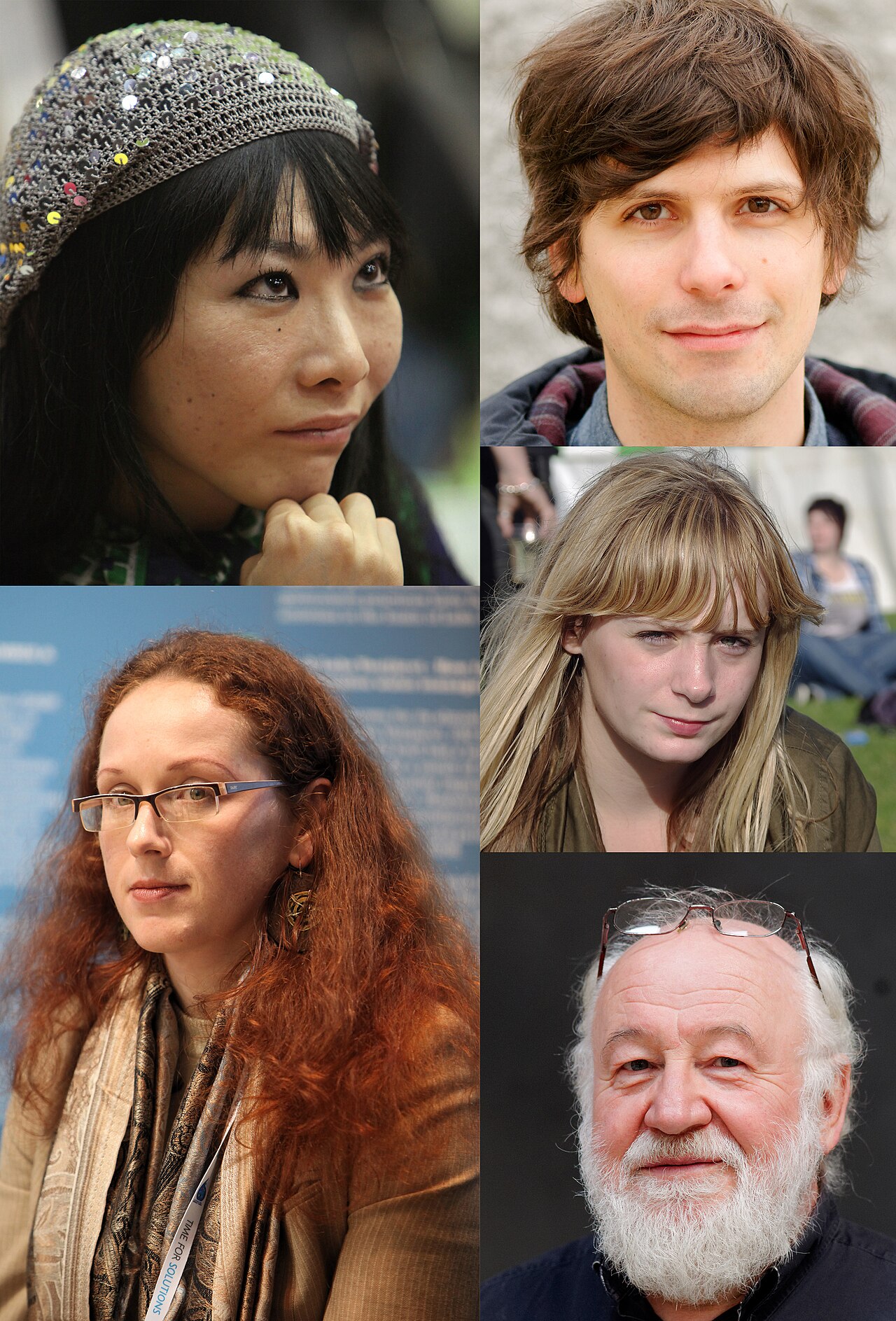
Biological mechanism behind Hair variation.
The trait responds to concrete pressures: light, air, pathogens, diet or demographic history.
Multiple genes and environments usually interact; single-gene bedtime stories are rare.
Where and why Hair variation varies.
Maps of this trait look like weather: gradients, patches and corridors — not painted race continents.
Colonial census categories rarely match those biological gradients.
Concrete histories of adaptation and contact — never a league table of peoples.
Braids, locs and twists manage breakage and labor — adaptation to texture and workplace racism alike.
Salon chemistry reshapes follicle bonds for fashion — technology overrides "natural type."
Religious discipline treats hair as sacred trust — identity through practice, not follicle taxonomy.
Microscopic hair testimony sent innocent people to prison — a caution against ancestry overclaim from strands.
Scholarly themes rewritten for curious readers — not paywalled jargon, and never a race ranking.
Hair form variation tracks follicle cross-section and growth patterns with continuous distributions.
Takeaway Texture is geometry, not hierarchy.
Overlapping melanin pathways mean hair and skin genetics talk to each other without defining races.
Takeaway Traits correlate without becoming castes.
Black hair studies and global beauty industries show how markets police “professional” hair.
Takeaway Prejudice styles the salon.
Critiques of microscopic hair comparison warn against overclaiming ancestry from strands.
Takeaway A hair is weak ID.
Ethnographies treat protective styles and coverings as climate, labor and identity technology.
Takeaway Style is adaptation too.
Books, reviews and museum trails — starting points, not a syllabus.
Consumer guides grounded in follicle biology — counters "unprofessional hair" prejudice.
Continuous distributions of curl and thickness — geometry, not hierarchy.
Shows how societies style and politicize hair — culture as technology.
Chris Rock explores African American hair industry — markets and stigma.
Clinical reference — traits correlate without becoming castes.
Tap a card — the fact stays hidden until you flip.
Hair type sorts cleanly into three races.
Curl and color gradients cross any folk racial map.
Red hair is a “Celtic race” marker only.
MC1R variants appear in multiple populations; culture attached the stereotype.
Straight hair is the human default.
There is no single ancestral salon look; ancient DNA shows diverse alleles.
Hair texture proves intelligence.
No reputable genetics links follicle shape to cognitive ability.
Chemical straightening is “Westernizing biology.”
It is cosmetic practice — biology stays the same.
No. Traits can vary by place without slicing humanity into ranked subspecies.
Because curiosity about bodies is valid — and unanswered curiosity is where race myths recruit.
Only to explain mechanisms or public health. Averages never become league tables of worth.
No. Clinical decisions need clinicians, not atlas pages.
By preferring review-level consensus and labeling open debates.
A gradual change in trait frequency across geography, rather than a sharp racial border.
Yes — dairying and malaria are classic feedback loops.
See related diversity topics and the atlas page on genetic-distance myths.