Selection, not spite
Drugs do not anger bacteria. They change which genotypes leave descendants.
Antibiotic resistance — A shared drug budget under selection in hospitals, farms and wastewater — stewardship, not a lab manual.
Darker cells mean a higher score for this topic on that metric.
LessMore
Last reviewed Sources & creditsMedia creditsMethodology
Read Identity → How they live → Body & health, then use compare rails.
Public-health education — not a care plan, prescription, or outbreak briefing.
It names everyday desks for Change & defence before English norms look universal.
No — editorial 0–100 browsing aids inside this atlas only.
Use related cards and best-of / quiz rails after the first three chapters.
How they live and Body & health carry mechanisms; skim Identity first.
Resistance means a drug that once inhibited a species now fails more often because the cells changed or borrowed genes.
It is older than penicillin as a soil chemistry trick, and newer than penicillin as a hospital crisis.
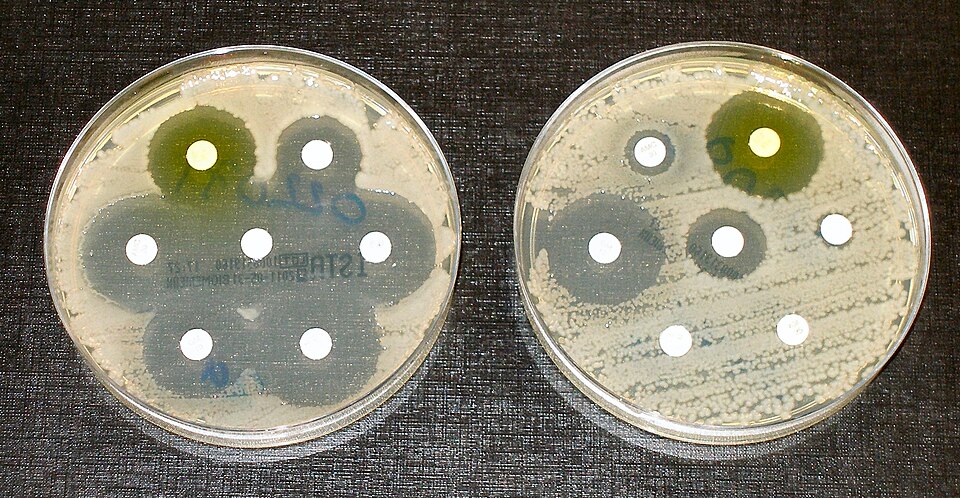
Drugs do not anger bacteria. They change which genotypes leave descendants.
Beta-lactamases and other cassettes travel on plasmids and integrons between species.
Sick patients, devices and dense antibiotic use make wards amplifiers if infection control slips.
Mass use in animals selects resistant flora that can leave via meat, manure and dust.
Low drug concentrations and mixed communities favor gene exchange downstream of cities.
Each unnecessary course spends a shared resource. The ethic is conservation, not blame of sick people.
Identity is ecological: a scarce technology meeting huge microbial populations.
Populations of genomes, not cartoon villains — RNA viruses copy sloppily, and public-health names track clusters that spread.
Familiarity 92Antibodies, memory cells and community arithmetic — conceptual, not a prescription and not an anti-vaccine tract.
Familiarity 94Surface cities of microbes — plaque and catheters explain persistence, without a grow-your-own kit.
Familiarity 38Clean water saves lives; missing old microbial partners is a separate, still-debated immune story.
Familiarity 70Sideways DNA traffic — conjugation, transduction, transformation as names and history, not protocols.
Familiarity 45