Side by side
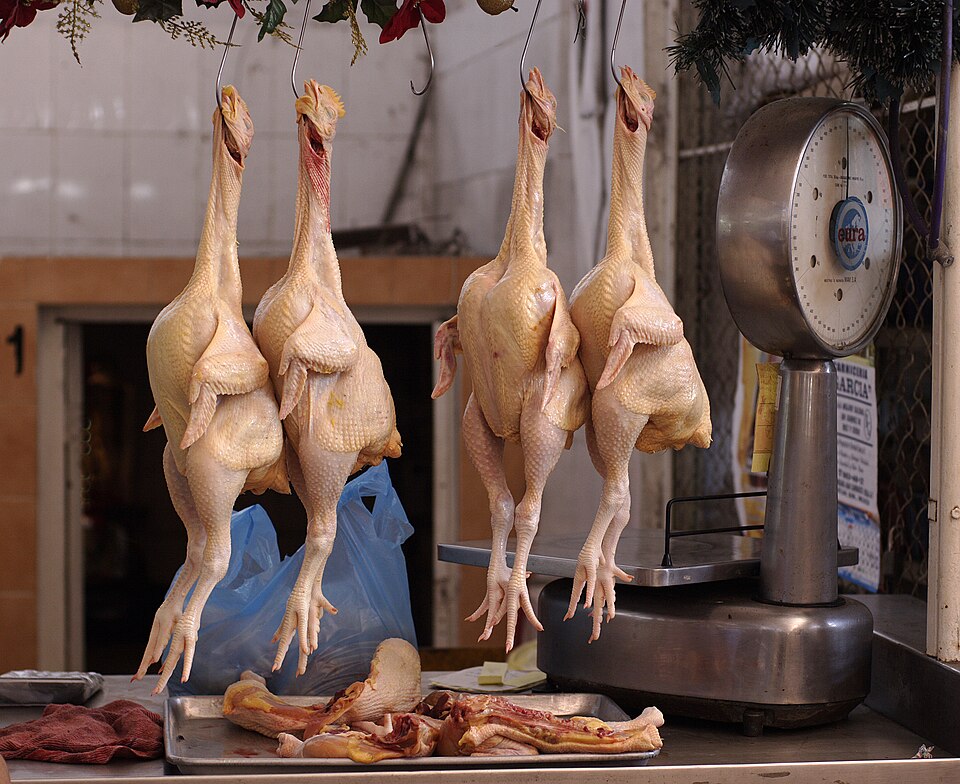
Breast
White meat · suprême · pechuga
The flight muscle of a bird that does not fly, so it is built from fast-twitch white fibre with almost no fat or myoglobin. That makes it the leanest thing on the chicken and the easiest to ruin: it holds moisture only up to about 65°C, and every degree beyond that is squeezed out.
Even thickness matters more than size — butterfly or pound a thick fillet so the thin end is not overcooked by the time the middle is done.
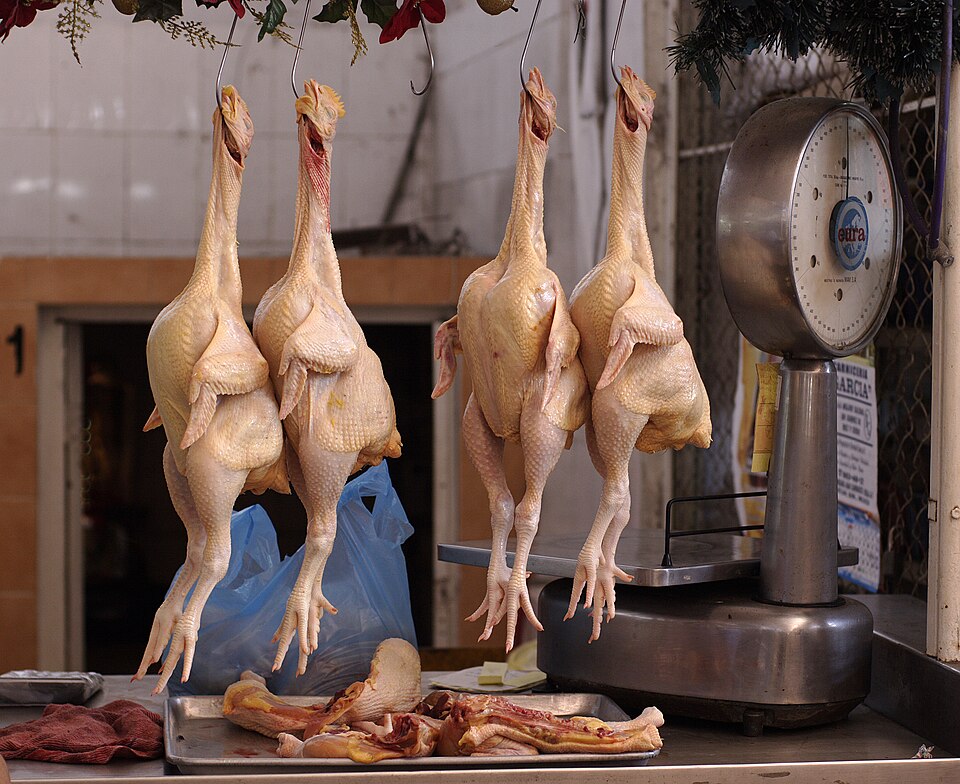
Tenderloin
Inner fillet · goujon · sasami
The small strip lying under the breast, attached along a tough white tendon. It is the most tender muscle on the bird and cooks in a fraction of the time, which is why it is the natural candidate for skewers, goujons and a lightly seared sashimi in Japan.
Pull the white tendon out before cooking by gripping it and scraping the meat back with a knife; it never softens.
Which one to buy
- Better forBreast : Tenderloin
- Pan-searingBreast88 : —
- PoachingBreast80 : 70
- RoastingBreast74 : —
- SkewersTenderloin— : 90
- FryingTenderloin— : 84
Other comparisons
All cuts
Beef Primals
Chicken Portions
Bluefin Tuna Cuts
Temperatures are guidance for whole-muscle cuts. Ground meat and poultry need 71°C / 160°F throughout.