Escolha a leitura de desempenho ao fogo ou a de isolamento já pontuada neste material. Marcas didáticas — não uma especificação.
Só pontuações do atlas e factos desta página. Um ensaio de produto, a espessura e o conjunto decidem qualquer parede ou peça real. Sem carimbo de laboratório.
Poliéster é um de 32 materiais deste atlas, em Têxteis: história, estrutura, propriedades, processo, usos, segurança e mercado — não um catálogo.
As notas comparam Poliéster com os restantes em resistência, calor, fogo, isolamento, trabalhabilidade e circularidade. São editoriais, não certificados.
Seguem sete capítulos. Fogo e isolamento nomeiam famílias de ensaio (Euroclass, ASTM E84, ISO 5660, KS F), sem inventar um número único de segurança.
Introdução profunda
Leitura profunda: Poliéster
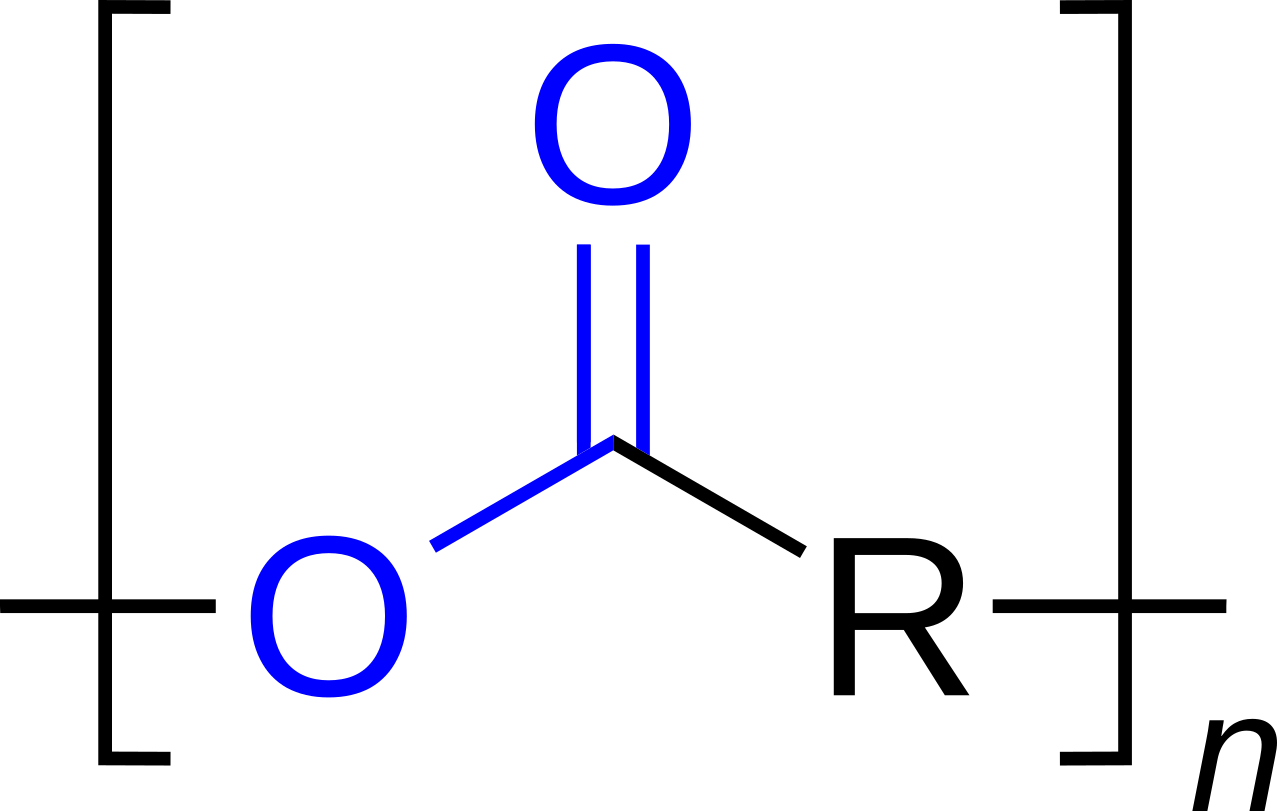
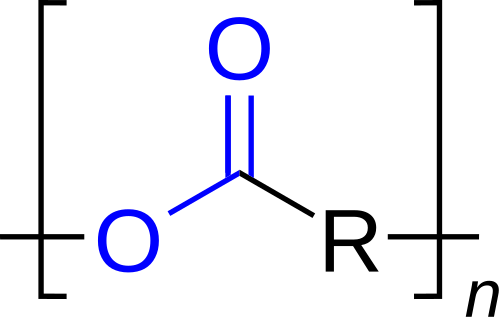
Poliéster ((C10H8O4)n PET) é uma família de classes cuja densidade é ~1,38 g/cm³, faixa de calor ~250–260 °C e letra de fogo derrete e goteja, a menos que FR.
O que o material realmente é
O poliéster é vendido como qualidades, não como uma substância única. Química (C10H8O4)n PET, densidade ~1,38 g/cm³, faixa de calor ~250–260 °C.
Este atlas trata o Poliéster como um sistema: rota de laminação, revestimentos, testes e a cavidade onde ele fica.
Calor, fogo e isolamento
Nota de condutividade: pouco sólido; os tecidos prendem o ar. A pontuação de isolamento 50/100 é relativa a 32 inscrições – metais perdem, VIPs e aerogéis ganham.
Carta de fogo em uso editorial: derrete e escorre, a menos que FR. Não compare A1 com “seguro em caso de incêndio” ou E com “ilegal”. As assembleias decidem.
Como se faz e se usa
Origem: Whinfield & Dickson 1941 / DuPont Dacron, Reino Unido / EUA. O capítulo do processo segue matéria-prima → conversão → formação → acabamento → instalação.
Utiliza edifícios de extensão para defesa/segurança. Os pares são importantes: náilon.
Mercado e circularidade
Os produtores abaixo são marcos, não uma classificação de endosso. Os preços são faixas, não cotações ao vivo.
Marca de circularidade 34/100. Pergunte qual sucata, qual certificado, qual ano.
Atlas relacionado
À volta de Poliéster
Entradas relacionadas, um glossário curto e três fios que mantêm Poliéster honesto.
Ver também
🪢NáilonO rival da poliamida: mais resistente em molhado, classe de corante diferente.
🧴PolietilenoPrima olefina, derretimento e mão diferentes.
🦺AramidaQuando o gotejamento do poliéster é inaceitável.
Termos-chave
Euroclasse
EN 13501-1 carta de reação ao fogo (A1–F), não uma classificação de parede.
λ (lambda)
Condutividade térmica em W/m·K. Menor significa melhor isolamento em massa.
Valor antigo
Desempenho declarado após agente de expansão ou deriva de umidade.
Janela HAZ/processo
A zona onde o calor ou a química alteram a folha de dados.
Nota
Uma variante nomeada de química/processo, não um slogan de marca.
Conjunto
Placas + cavidade + fixadores + revestimentos testados em conjunto.
Linguagem padrão
EN, ASTM, ISO, KS e JIS não traduzem um para um. Uma manta Euroclass A1 não é um relatório ASTM E84.
Nomeie o ano da norma nos desenhos. Métodos retirados continuam aparecendo em especificações antigas.
Trabalho e artesanato
Soldadores, fiandeiros, estucadores, revestidores e pedreiros fazem parte das propriedades reais do material.
DFT, medidores de umidade e compressão de mantas são ferramentas de qualidade, não burocracia.
Energia e resíduos
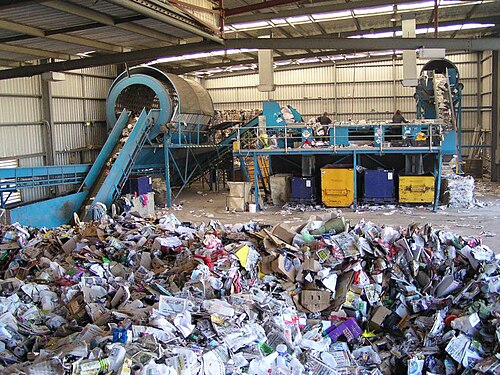
O poliéster primário transporta energia de processo que a reciclagem ou as rotas biológicas só às vezes superam.
Resíduos, lama vermelha, escória, poeira e agentes de expansão usados são o balanço de massa nada glamoroso.
Perfil
Resistência58
Resistência ao calor42
Desempenho ao fogo24
Isolamento50
Trabalhabilidade88
Circularidade34
Papel de fogo ou papel de isolamento
Escolha a leitura de desempenho ao fogo ou a de isolamento já pontuada neste material. Marcas didáticas — não uma especificação.
Só pontuações do atlas e factos desta página. Um ensaio de produto, a espessura e o conjunto decidem qualquer parede ou peça real. Sem carimbo de laboratório.
Passagem em Poliéster: fogo 24, isolamento 50 e um fato publicado — não selo de norma.
Ler marca de fogo — Fogo 24/100 — comparação didática.
Ler marca de isolamento — Isolamento 50/100 — fluxo de calor.
Um fato publicado — Fato rápido: Resina: BICHO DE ESTIMAÇÃO.
Sustentabilidade não pula fogo — Alta sustentabilidade não substitui proteção contra fogo.
Não é nota de código — Ensaios nomeados e espessuras decidem conformidade.
Em Poliéster, fogo 24 e isolamento 50 são trabalhos distintos; Resina: BICHO DE ESTIMAÇÃO ancora um detalhe.
Marcas editoriais. Não certificado de código.
Marca termica ou fato de seguranca primeiro?
Segunda decisao de laboratorio em Poliéster: resistencia ao calor 42 ao lado do fato termico publicado Condutividade — literacia, nao selo de norma.
Ler marca de resistencia ao calor — Resistencia ao calor 42/100 — historia termica distinta do par fogo/isolamento.
Um fato termico ao lado — O capitulo propriedades lista Condutividade.
Calor nao pula fogo — Marca termica alta nao substitui ensaios de fogo nomeados.
Nao e nota de codigo — Espessuras e ensaios nomeados decidem conformidade.
Em Poliéster, calor 42 e Condutividade sao a segunda leitura termica/seguranca apos fogo vs isolamento.
Marcas editoriais. Nao certificado de codigo.
Qual linha de calor ficar
Uma decisão com marcas impressas. Não é uma licença de obra.
Perguntas frequentes
O poliéster não é combustível?
Classe de reação declarada neste atlas: derrete e escorre, a menos que FR. As montagens ainda precisam de testes de resistência.
O poliéster isola?
Marca térmica 50/100 versus atlas. Nota de condutividade: pouco sólido; os tecidos prendem o ar.
Qual é a faixa de densidade?
~1,38g/cm³
Como é feito?
História de origem: Whinfield & Dickson 1941 / DuPont Dacron (Reino Unido / EUA).
Pode ser reciclado?
Marca de circularidade 34/100 — editorial, específica da rota.
Fusão típica ou falha de calor?
~250–260 °C
Com o que deve ser combinado?
nylon: O rival da poliamida: mais resistente em molhado, classe de corante diferente.
Onde está especificado?
Edifícios, transportes, energia e bens de consumo — ver capítulo utilizações.
A pontuação de desempenho ao fogo é uma classe de código de obra?
Não. É uma marca editorial 0–100 de ensino entre materiais deste atlas. Uma parede ou uma peça reais precisam de ensaio de produto nomeado, espessura e montagem. Esta página não é um carimbo de laboratório.
Quando devo ler isolamento em vez de fogo?
Use isolamento quando a pergunta é fluxo de calor — forro, sótão ou ponte térmica — e fogo quando a pergunta é como o mesmo material se comporta na chama. Os dois números já estão neste hub; respondem a trabalhos diferentes.
Uma sustentabilidade alta permite saltar a proteção ao fogo?
Não. Sustentabilidade aqui é uma marca relativa do atlas (crescimento, reúso, história embutida). Bambu e madeira ainda podem carbonizar como lenha. A proteção ao fogo continua uma especificação à parte.
Porque falta o bambu em algumas línguas?
Um URL de língua só se publica quando os sete capítulos são prosa real nessa língua. O bambu existe em inglês, coreano, japonês, chinês e espanhol. Francês, alemão, português e russo ficam retidos — rascunhos de máquina anteriores deixaram inglês, por isso esses URLs não abrem.
Ícones
Terileno
Reino Unido · 1941–
O Terileno é uma referência na imagem pública do Poliéster.
Vela de dacron
Estados Unidos · Década de 1950–
A lona Dacron é uma referência na imagem pública do Poliéster.
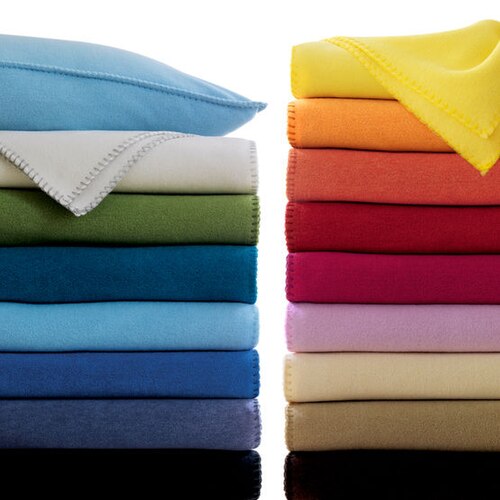
Velo polar
Estados Unidos · década de 1980–
O polar polar é uma referência na imagem pública do Poliéster.
garrafa PET
Estados Unidos · 1973–
A garrafa PET é referência na imagem pública do Poliéster.
Mistura adequada
Global · década de 1960–
Suiting blend é uma referência na imagem pública do Poliéster.
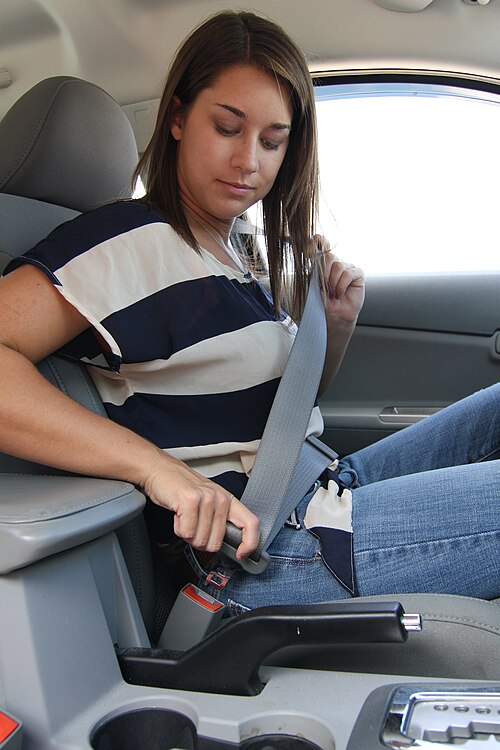
Cinto de segurança HT
Global · década de 1960–
O cinto de segurança HT é uma referência na imagem pública do Poliéster.
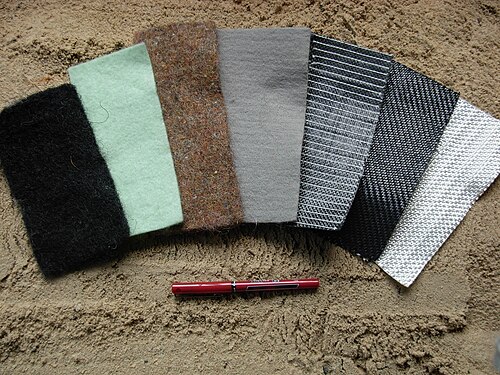
Geotêxtil
Global · década de 1970–
O Geotêxtil é uma referência na imagem pública do Poliéster.
camisa rPET
Global · Década de 2000–
A camisa rPET é uma referência na imagem pública do Poliéster.
Ligue ou desligue ícones — cada barra reescala para o líder da sua seleção.