15th c.
Salt-cod routes
Atlantic fish preservation becomes a national protein.
Portuguese cuisine · Bacalhau, olive oil and a pastry clock: grilled sardines, vinho and the Atlantic pantry.
Milestones in order. This is history, not a weekly activity grid.
Darker cells mean a higher score for this topic on that metric.
LessMore
Last reviewed Sources & creditsMedia creditsMethodology
Portuguese cuisine (Cozinha portuguesa) grew from bacalhau / wine / vinegar and bread / rice / potato. Bacalhau is the postcard, not the whole map.
Portuguese cuisine sits at spice 36 in this atlas. Bacalhau and Pastel de nata show the range better than a single heat number.
Bacalhau plus one regional plate — not only the export icon.
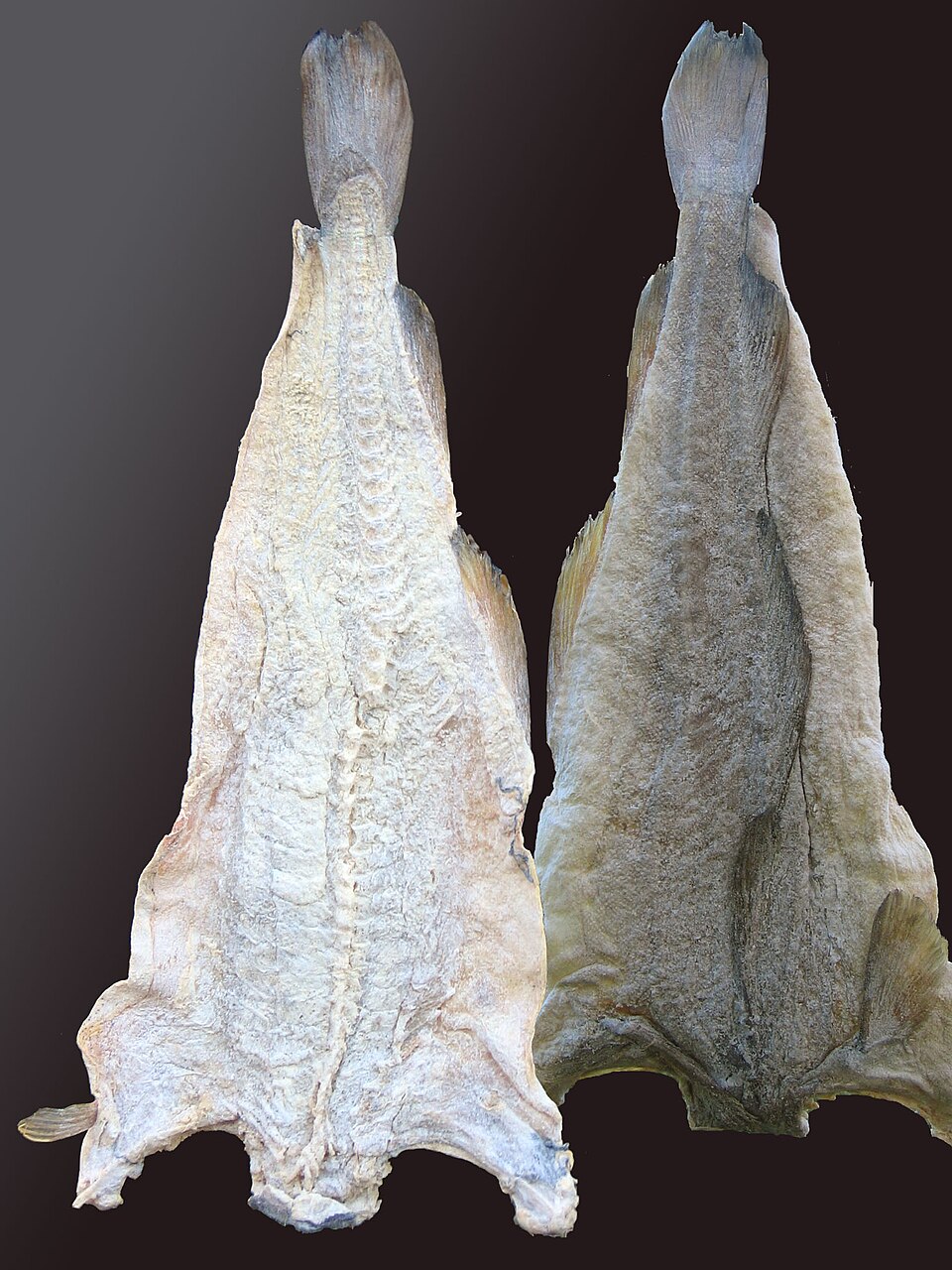
Salted dried cod.
Lisbon, Porto and Coimbra do not cook the same dinner. Regional stubbornness is the cuisine, not a footnote.
The home pantry around Bacalhau and the labour behind Pastel de nata rarely fit a takeaway box.
Portuguese cuisine did not arrive as a single national plate. Its older structure is visible in Bacalhau, Bacalhau and the regional kitchens that still disagree.
Court, village and street cooked on different clocks. The ten-point timeline below keeps those clocks in view rather than flattening them into a brand story.
Portuguese cuisine (Cozinha portuguesa) grew from bacalhau / wine / vinegar and bread / rice / potato. Bacalhau is the postcard, not the whole map.
Atlantic fish preservation becomes a national protein.
Empire brings chili, tea, sweets techniques.
African chili enters the grill.
Egg-yolk sweets, including proto-nata.
Urban tavern culture after the earthquake.
Tropical ingredients and money flow back.
France, US, Africa carry the pastelaria.
Custard tarts become a world bakery item.
Lisbon and Porto enter global restaurant lists.
June grills as a postcard industry.
Atlantic fish preservation becomes a national protein.
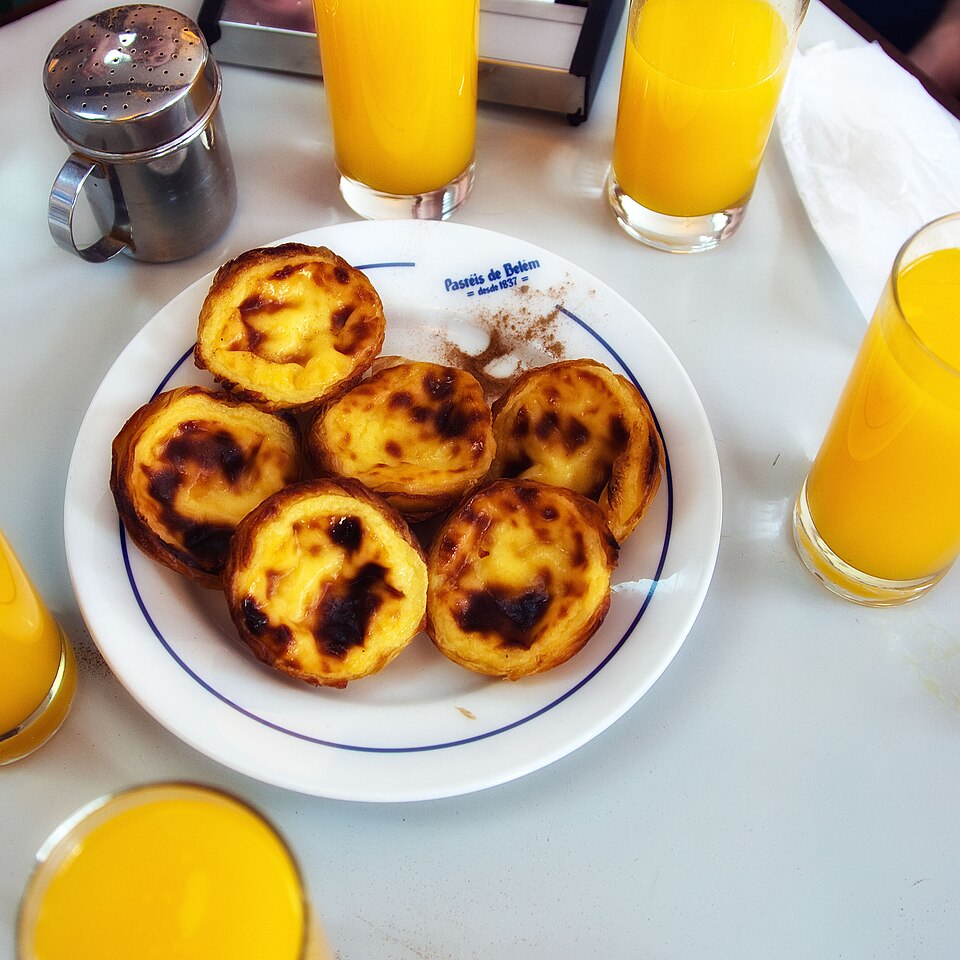
African chili enters the grill.
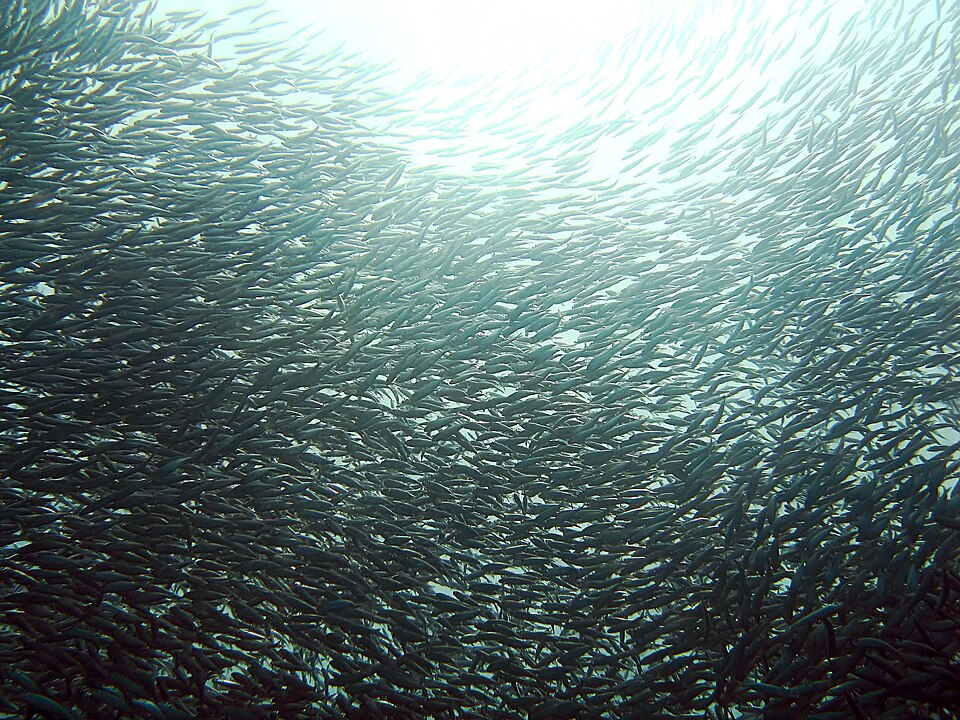
Urban tavern culture after the earthquake.
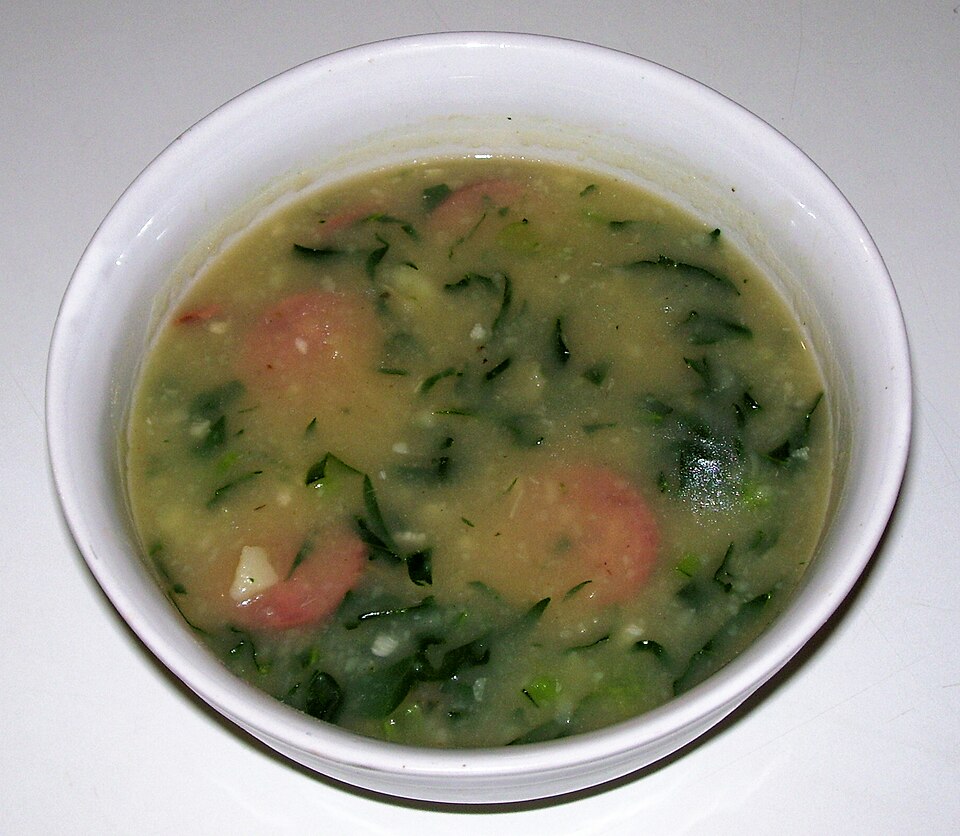
France, US, Africa carry the pastelaria.
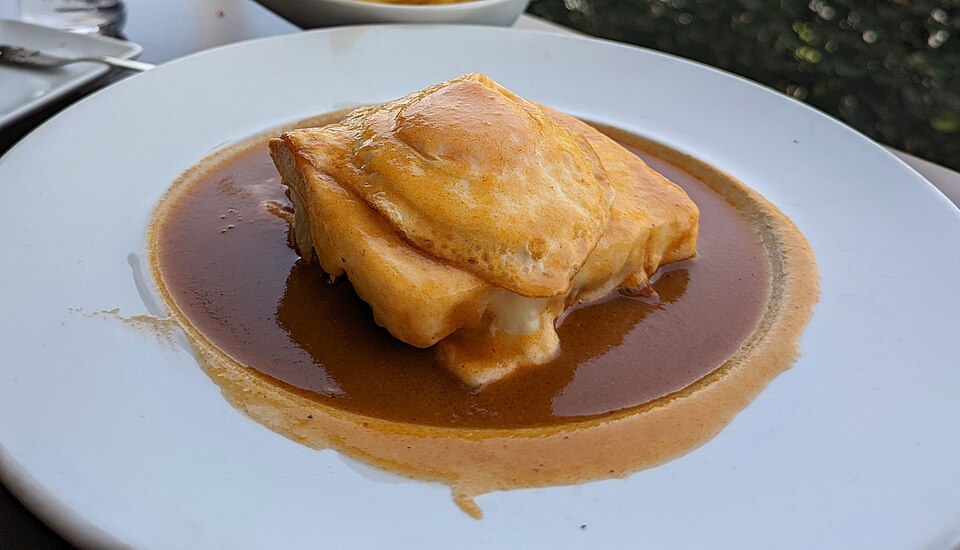
Lisbon and Porto enter global restaurant lists.
Empire brings chili, tea, sweets techniques.
Urban tavern culture after the earthquake.
Lisbon and Porto enter global restaurant lists.
A history of Portuguese cuisine that starts at the airport restaurant will miss the ferments, markets and labour that actually built the table.
Butter, stock and a regional map: baguette, wine and the technique ceiling of the atlas.
Overall 65 🍝Pasta, tomato and a fierce regional map: the most accessible European table in the atlas.
Overall 67 🥘Olive oil, sofrito and a tapas clock: paella, jamón and the regional map from Basque to Andalusia.
Overall 64 🥨Bread, pork and a beer-garden clock: sausage, sauerkraut and a regional map from Bavaria to the North Sea.
Overall 53 🍲Paprika, sour cream and a dumpling clock: goulash, lángos and a table that is not Austrian and not only spicy.
Overall 59 🫒Olive oil, lemon and a meze clock: feta, grilled lamb and the eastern Mediterranean table.
Overall 56 🥧Roast, pie and a curry-house overlay: Sunday beef, fried breakfast and a food island that absorbed the world.
Overall 56 🥟Sour cream, pickle and a vast grain belt: borscht arguments, pelmeni and a tea-and-zakuski table.
Overall 50 🥟Dumpling, dill and a sour-rye broth: pierogi, kielbasa and a table built for winter.
Overall 49 🐟Dill, herring and a cinnamon-bun clock: husmanskost, fika and the lowest spice score in the atlas.
Overall 53