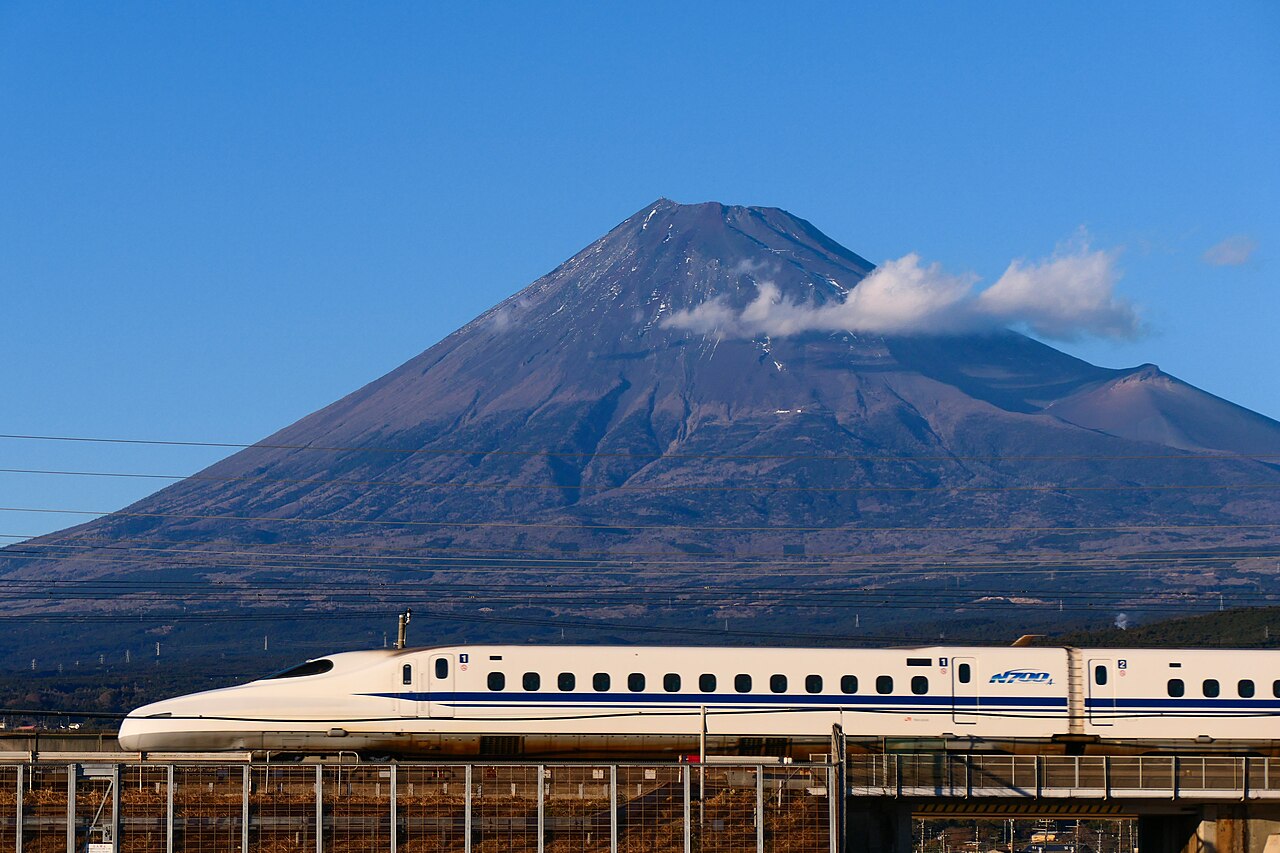
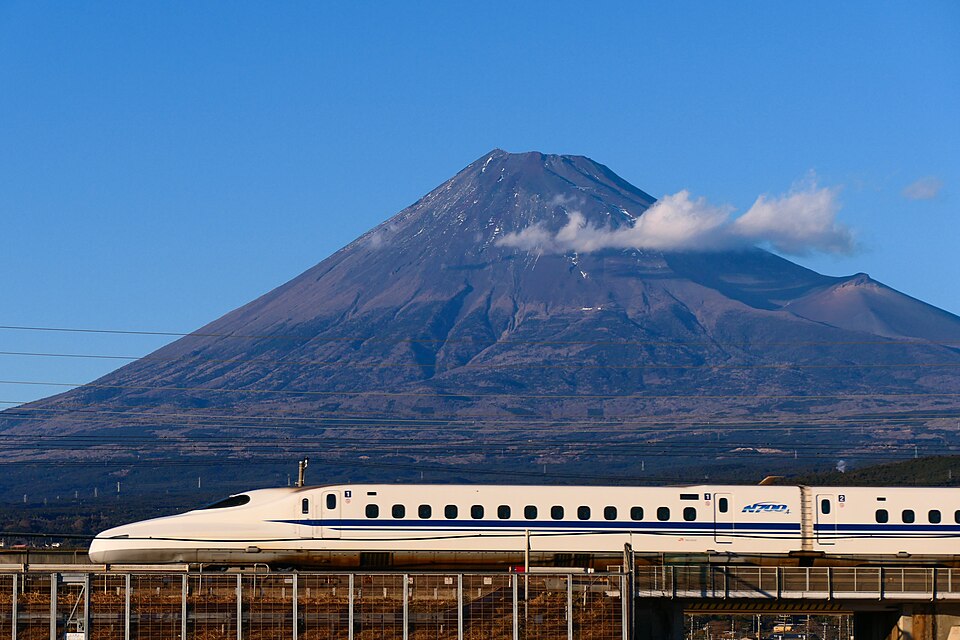
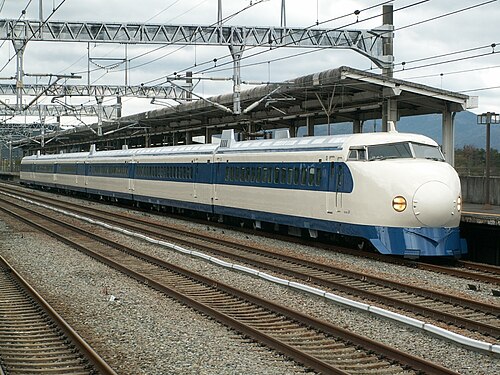
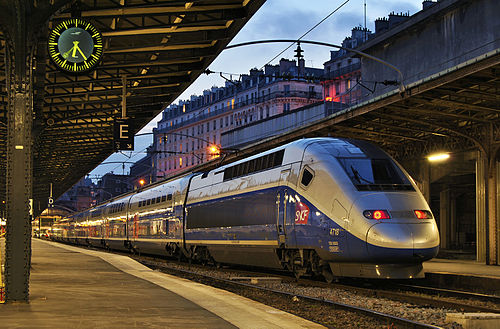
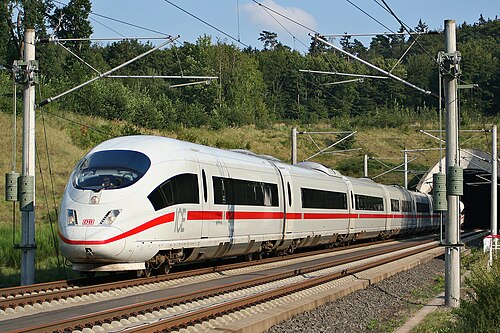
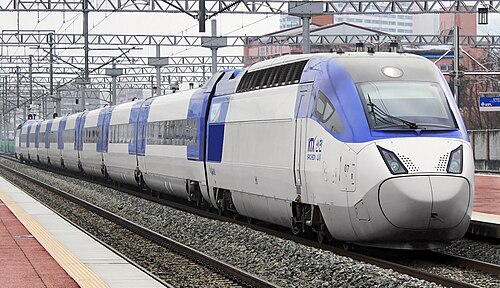
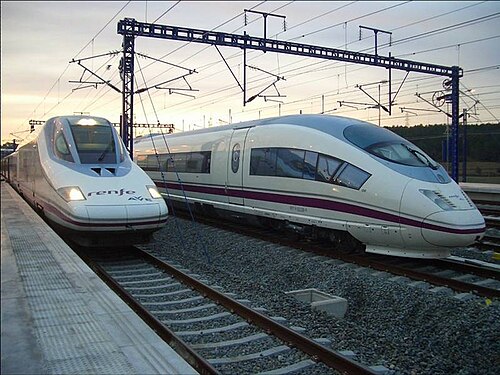
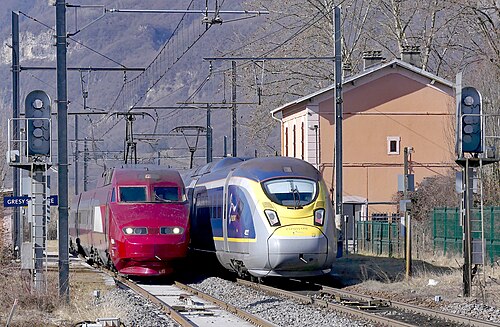
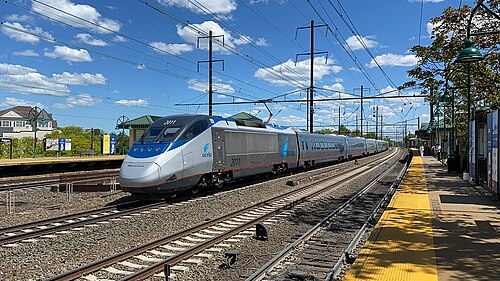
High-speed rail is one of 48 vehicle types in this atlas. The pages treat it as a full system — history, anatomy, operating principles, culture, icons, future pressure and market shape — not a product brochure.
Scores compare high-speed rail with the other types on speed, efficiency, accessibility, safety, cultural impact and tech disruption. They are relative editorial judgements, not laboratory ratings.
Seven chapters dig in: origins, systems and cutaways, how it works, cultural life, legendary icons, what comes next, and how money and regions structure the fleet.
Deep introduction
Deep dive: High-speed rail
High-speed rail is not a single machine — it is a family of designs, duties and cultures inside the rail atlas. This deep intro maps how the type varies, what systems make it work, and why places adopt it differently.
Diversity, systems, culture and markets — plus a lens tuned to this language region.
Diversity inside the type
Dedicated HSR corridors, upgraded classic lines and tilting trains all claim “high speed” at different engineering costs.
Loading gauge, signalling and platform length decide what rolling stock can even enter a network.
Systems that decide the ride
Traction packages, ATC/ETCS signalling, pantograph–catenary dynamics and aerodynamic nose design set timetable reliability.
Seismic detection, platform screen doors and evacuation standards are passenger-safety systems.
Culture, status and meaning
Shinkansen punctuality myths, TGV chic and KTX national pride turn trains into soft power.
Station retail and business-class rituals rewrite intercity travel status vs flying.
Markets, fleets and money
Megaproject debt, fare boxes and airport competition decide whether lines add trains or cut frequencies.
Rolling-stock consortia and local content rules reshape who builds the next fleet.
Technical deep dive
Technical deep dive: High-speed rail
High-speed rail engineering is a stack of structure, energy conversion, control loops and certified envelopes inside the rail atlas. This page maps how loads travel, how power becomes motion, and where the hard limits sit.
Structure, propulsion, control and limits — plus certification language for this region.
Structure & load paths
Carbody shear panels transfer buff loads between couplers; anti-climber features protect inter-car crush.
Bogie frames route vertical and lateral wheel loads into air spring secondary suspension.
Energy & propulsion
High power-to-weight enables rapid timetable recovery; regen depends on grid acceptance.
Pantograph-catenary interaction sets max sustained current before arcing.
Control, sensing, human interface
Drivers follow cab signals; door interlocks dominate station operations.
Passenger comfort scales with jerk limits and active tilt on mixed corridors.
Failure modes & hard limits
Derailment at speed is catastrophic—wheel/rail monitoring and geometry maintenance are critical.
Earthquake or landslide detection can enforce automatic brake before line-of-sight fails.
Dense links, glossary and adjacent themes around High-speed rail — infrastructure, labour and energy — inside the rail atlas.
See-also types, key terms, adjacent threads and regional notes for this language.
See also
🚄MaglevAlternative high-speed propulsion on exclusive guideway.
🚇SubwayUrban rail cousin — different capacity mission.
✈️AirlinerCross-family competitor on intercity trips.
🚂Freight trainShared rail family — passenger priority vs tonnage.
Key terms
Dedicated ROW
Grade-separated track — HSR honesty requires it.
Pantograph
Roof collector on catenary — aerodynamic uplift at 300+ km/h.
ETCS / ATC
Cab signalling — block sections shrink at speed.
Tilting train
Body tilt on curves — legacy-line speed without new track.
Loading gauge
Clearance envelope — trains cannot enter incompatible networks.
Modal shift
Air/rail market share — airport-to-city time comparison.
Infrastructure & corridors
City-pair distances under ~800 km favour rail when airport access is slow.
Megaproject tunnels and land acquisition dominate capex more than trains.
Labour, crews & operations
Night possession windows for tamping and catenary — throughput vs maintenance trade-off.
On-board crew, cleaners and security scale with train length.
Environment & energy
25 kV AC feeds and regenerative braking return energy to the grid.
Carbon intensity follows national generation mix — not train design alone.
94speedEditorial 0-100 browsing score
88efficiencyEditorial 0-100 browsing score
70accessibilityEditorial 0-100 browsing score
96safetyEditorial 0-100 browsing score
High-speed rail: concrete atlas depth on Tool-Lifes.
Visual field notes
Licensed photographs of this type — heroes, eras and icons on one wall.
MaedaAkihikoMaedaAkihikoナダテ at Japanese Wikipedia (Nadate)Nelso SilvaSebastian Terfloth User:Sese_IngolstadtMinseong KimNamor88Florian PépellinFan Railer