Steam locomotive is one of 48 vehicle types in this atlas. The pages treat it as a full system — history, anatomy, operating principles, culture, icons, future pressure and market shape — not a product brochure.
Scores compare steam locomotive with the other types on speed, efficiency, accessibility, safety, cultural impact and tech disruption. They are relative editorial judgements, not laboratory ratings.
Seven chapters dig in: origins, systems and cutaways, how it works, cultural life, legendary icons, what comes next, and how money and regions structure the fleet.
Deep introduction
Deep dive: Steam locomotive
Steam locomotive is not a single machine — it is a family of designs, duties and cultures inside the rail atlas. This deep intro maps how the type varies, what systems make it work, and why places adopt it differently.
Diversity, systems, culture and markets — plus a lens tuned to this language region.
Diversity inside the type
Tank engines, road freight Moguls and express Pacifics were specialised tools — “steam” was never one machine.
Coal vs oil firing and loading-gauge limits created regional species.
Systems that decide the ride
Boiler pressure, valve gear, adhesion weight and water stops dictated timetable physics.
Crew skill on the footplate was a living control system.
Culture, status and meaning
Heritage railways, whistle language and smokebox aesthetics keep steam culturally loud after commercial death.
Industrial museums turn locomotives into national memory objects.
Markets, fleets and money
Tourist ticket revenue and volunteer labour now fund what freight margins once did.
Spare castings and boiler tickets are the true scarcity market.
Technical deep dive
Technical deep dive: Steam locomotive
Steam locomotive engineering is a stack of structure, energy conversion, control loops and certified envelopes inside the rail atlas. This page maps how loads travel, how power becomes motion, and where the hard limits sit.
Structure, propulsion, control and limits — plus certification language for this region.
Structure & load paths
Boiler barrel and firebox carry pressure; frame and driving wheels transmit starting impulse.
Tender coupling sees severe buff loads when slack runs in on long freight reenactments.
Energy & propulsion
Human fireman skill sets effective power as much as mechanical condition.
Coal and water stops bound range—efficiency is operational, not just thermodynamic.
Control, sensing, human interface
Driver reads analog gauges; tactile feedback from valve gear and brake stand is primary.
Heritage crews train for hours on firing technique and injector failover.
Failure modes & hard limits
Low water and locked safety valves caused historic boiler explosions—procedures are strict.
Wheel slip wastes steam without moving train—sand and weight transfer are the only fixes.
Tourist railways and static displays now fund what freight once did.
Coaling towers and turntables are infrastructure archaeology.
Labour, crews & operations
Fireman certification and boiler smithing are dying trades being revived.
Seasonal timetables mirror tourism more than commodity cycles.
Environment & energy
Heritage lines face smoke and carbon scrutiny — oil firing retrofits appear.
Steam romance sells tickets; emissions math is modern.
48speedEditorial 0-100 browsing score
18efficiencyEditorial 0-100 browsing score
30accessibilityEditorial 0-100 browsing score
45safetyEditorial 0-100 browsing score
Steam locomotive: concrete atlas depth on Tool-Lifes.
Visual field notes
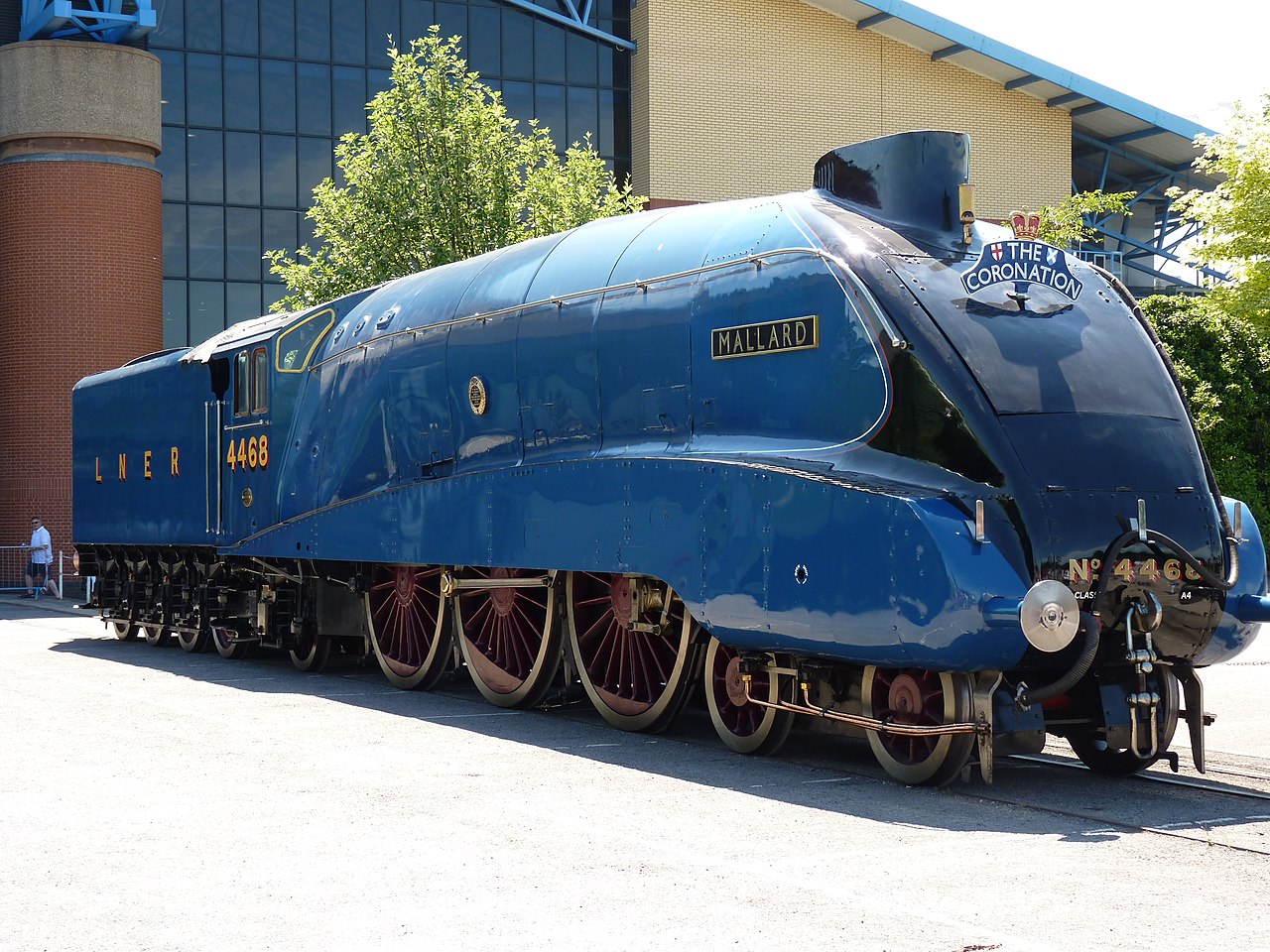
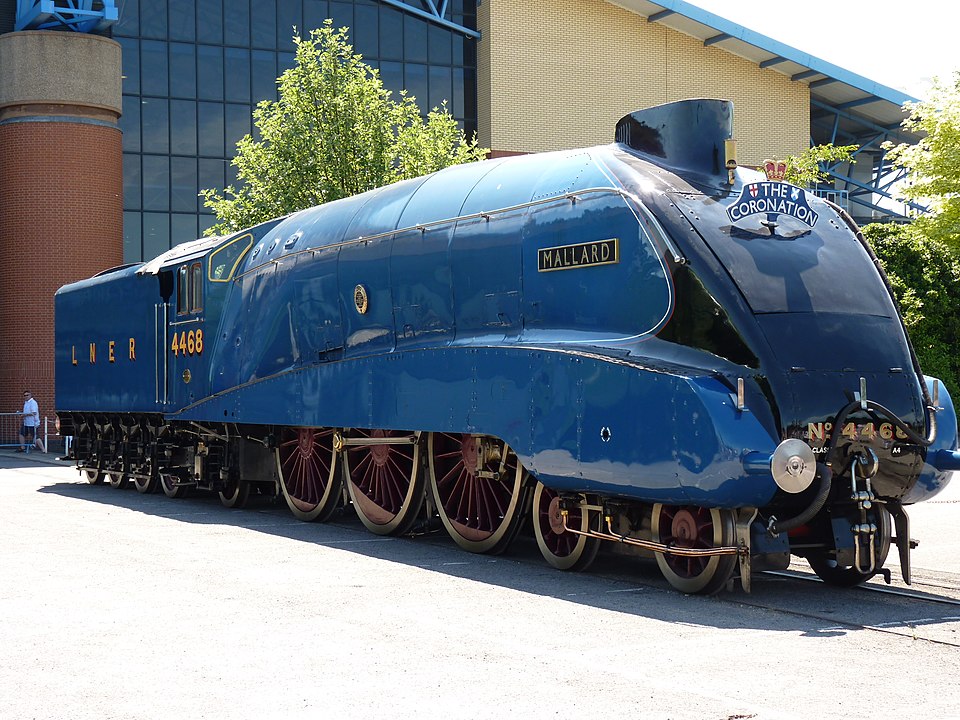
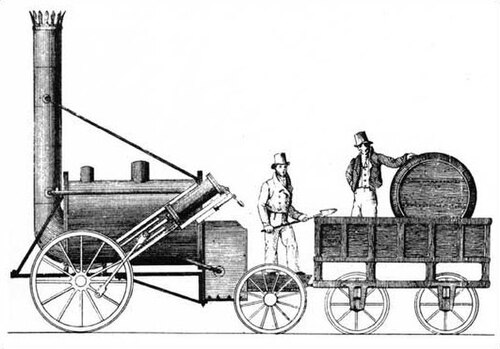
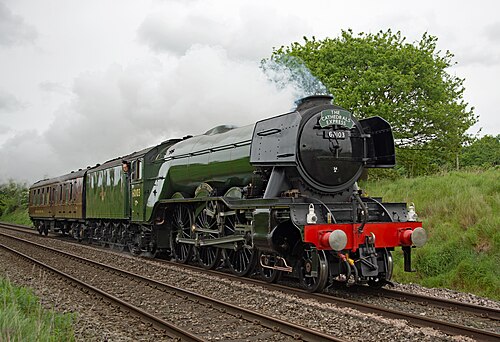
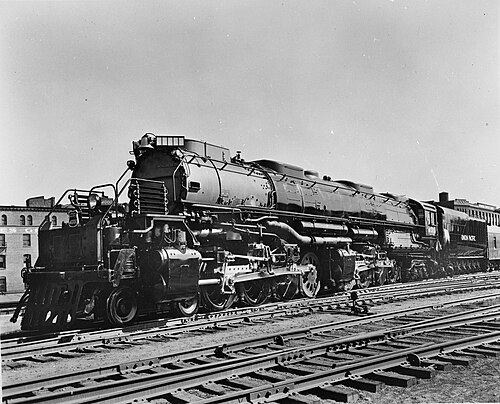
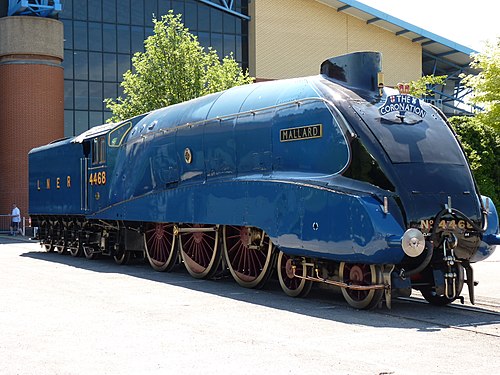
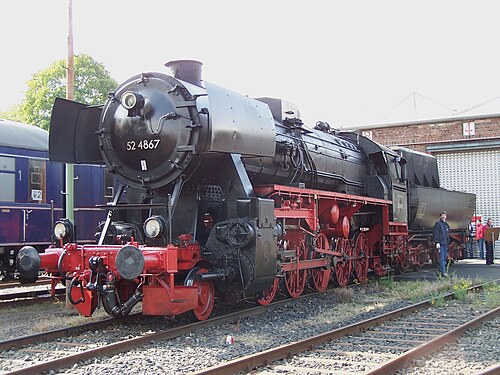
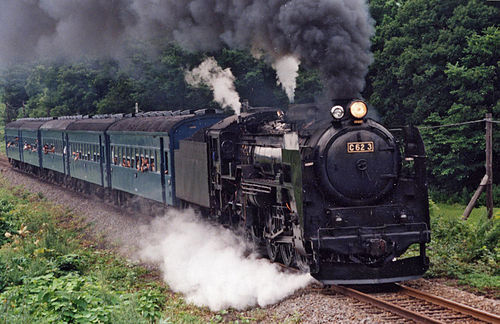
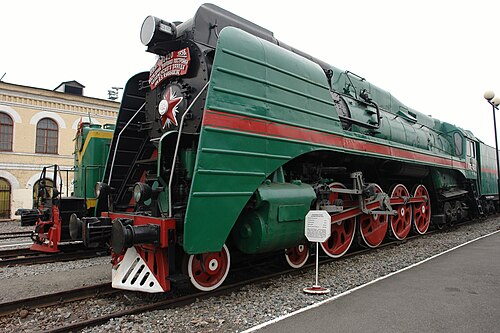
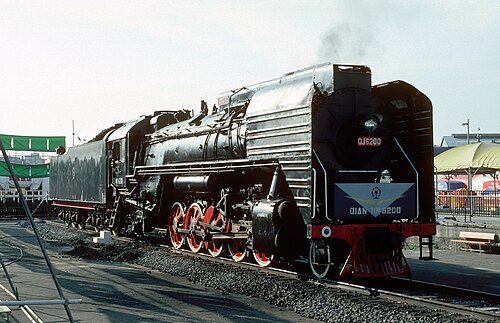
Licensed photographs of this type — heroes, eras and icons on one wall.
PTG DudvaPTG DudvaUnknown authorARG_FlickrAssociation of American Railroads (railroad trade association)/photo by Union Pacific Railroad.PTG DudvaTotal number of my uploaded files : 1115No machine-readable author provided. NekoJaNekoJa~commonswiki assumed (based on copyright claims).George ShuklinShellparakeet