Freight train is one of 48 vehicle types in this atlas. The pages treat it as a full system — history, anatomy, operating principles, culture, icons, future pressure and market shape — not a product brochure.
Scores compare freight train with the other types on speed, efficiency, accessibility, safety, cultural impact and tech disruption. They are relative editorial judgements, not laboratory ratings.
Seven chapters dig in: origins, systems and cutaways, how it works, cultural life, legendary icons, what comes next, and how money and regions structure the fleet.
Deep introduction
Deep dive: Freight train
Freight train is not a single machine — it is a family of designs, duties and cultures inside the rail atlas. This deep intro maps how the type varies, what systems make it work, and why places adopt it differently.
Diversity, systems, culture and markets — plus a lens tuned to this language region.
Diversity inside the type
Unit coal/ore trains, intermodal stacks and mixed manifest freights are different machines under one label.
Gauge, coupler standards and axle loads create continental islands of incompatibility.
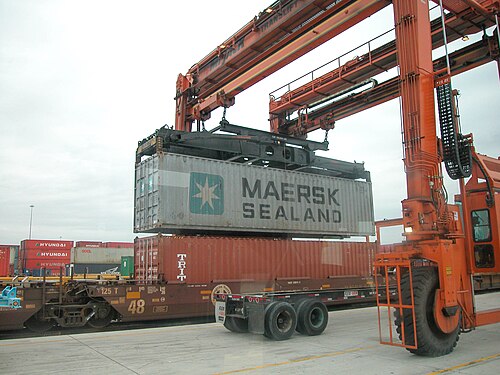
Marshalling yards and terminal cranes are part of the vehicle system in practice.
Culture, status and meaning
Railfan photography, hobo lore and “steel highway” nationalism romanticise freight even as towns fight longer trains.
Horn noise and grade-crossing risk shape neighbour politics.
Markets, fleets and money
Bulk commodity cycles and container rates swing locomotive orders.
Precision scheduled railroading vs service-frequency debates remake network economics.
Technical deep dive
Technical deep dive: Freight train
Freight train engineering is a stack of structure, energy conversion, control loops and certified envelopes inside the rail atlas. This page maps how loads travel, how power becomes motion, and where the hard limits sit.
Structure, propulsion, control and limits — plus certification language for this region.
Structure & load paths
Draft gear and couplers are the fuse between locomotive pull and car structural limits.
Tank shells and hopper gates see cyclic loads from slack action and curve superelevation.
Energy & propulsion
Ton-miles per gallon favors long trains; distributed power cuts in-train drag on grades.
Dynamic braking dumps heat into grids rather than shoes when territory allows.
Control, sensing, human interface
Engineers feel slack as surges—smooth throttle prevents snapped drawbars.
PTC overlays human operation with hard enforcement at authority boundaries.
Failure modes & hard limits
Derailment of hazmat cars drives community risk—hot box and wayside detectors are early warnings.
Runaway cuts on grades trace to insufficient handbrakes or valve failures.
Positive train control overlays — collision prevention.
Coupler
Janney/knuckle or Scharfenberg — continental incompatibility.
Hot box detector
Wayside infrared — bearing failure early warning.
Hump yard
Gravity sorting — wagon classification physics.
Infrastructure & corridors
Single-track bottlenecks, port feeders and inland terminals define tonnage flows.
Grade-crossing dwell and horn politics shape neighbour relations.
Labour, crews & operations
Crew districts, strike rules and precision-scheduled railroading remake labour.
Remote operation pilots test how much cab time is truly necessary.
Environment & energy
Mainline diesel dominates North America; EU corridors push catenary freight.
Truck competition on short haul — rail wins on long bulk.
40speedEditorial 0-100 browsing score
92efficiencyEditorial 0-100 browsing score
35accessibilityEditorial 0-100 browsing score
75safetyEditorial 0-100 browsing score
Freight train: concrete atlas depth on Tool-Lifes.
Visual field notes
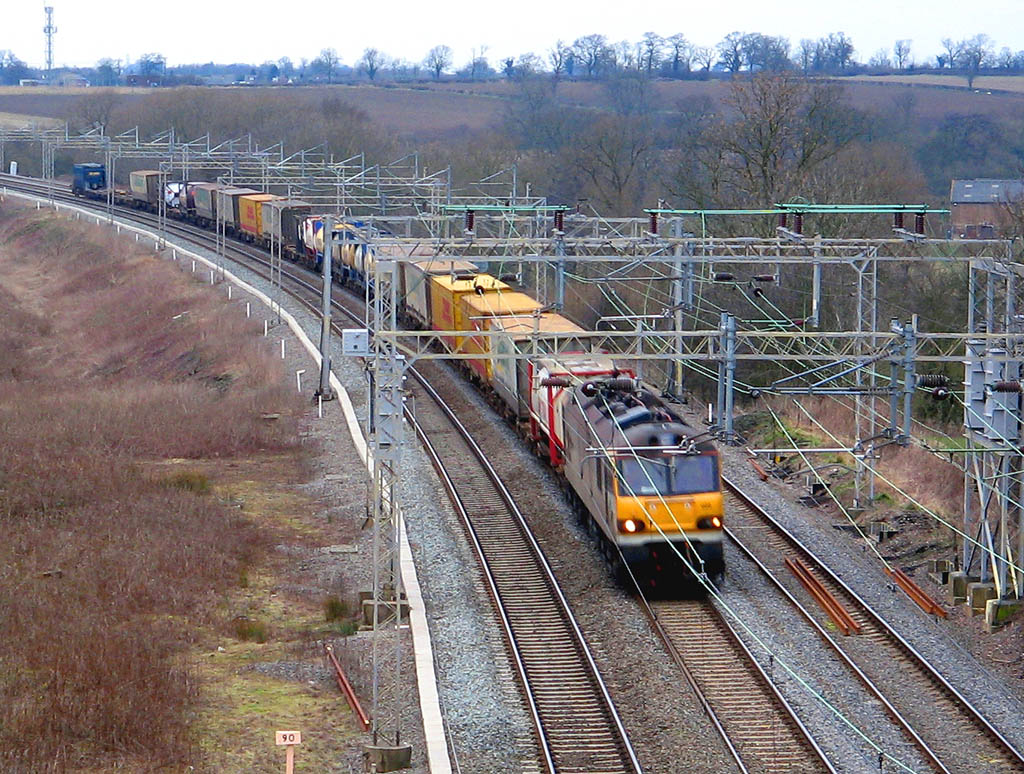
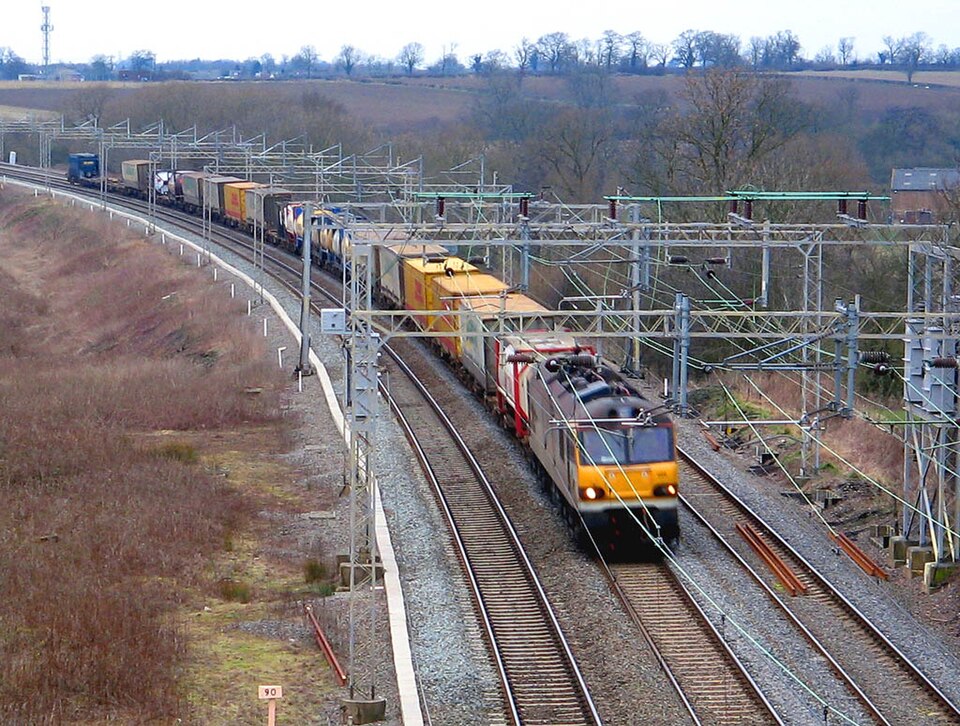
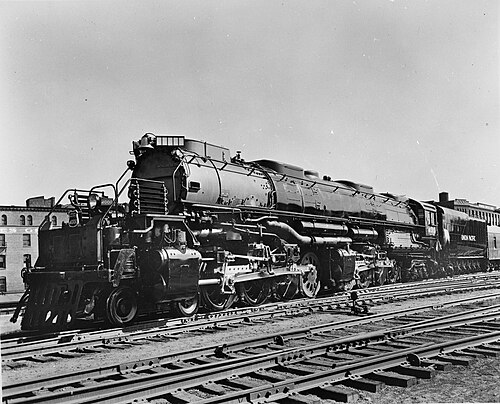
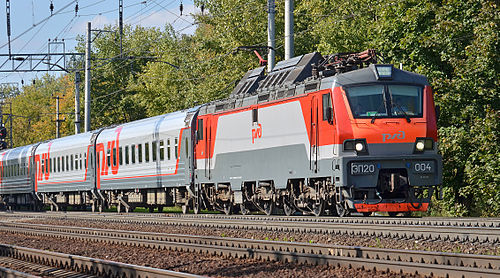
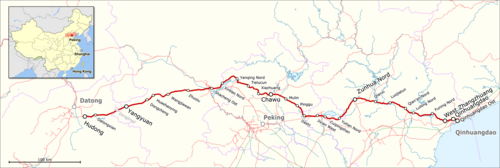
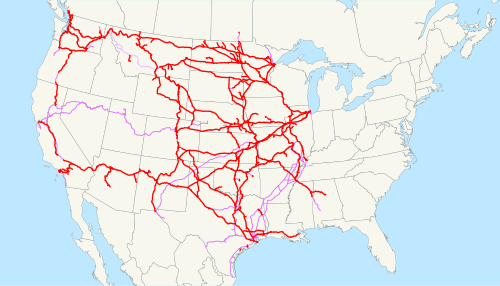
Licensed photographs of this type — heroes, eras and icons on one wall.
Unknown authorUnknown authorAssociation of American Railroads (railroad trade association)/photo by Union Pacific Railroad.David Wilson from Oak Park, Illinois, USASergey Korovkin 84MainaksinghabarmaHauptkarte: Pechristener China blank map.svg : JoowwwwNo machine-readable author provided. NE2 assumed (based on copyright claims).