Fire engine is one of 48 vehicle types in this atlas. The pages treat it as a full system — history, anatomy, operating principles, culture, icons, future pressure and market shape — not a product brochure.
Scores compare fire engine with the other types on speed, efficiency, accessibility, safety, cultural impact and tech disruption. They are relative editorial judgements, not laboratory ratings.
Seven chapters dig in: origins, systems and cutaways, how it works, cultural life, legendary icons, what comes next, and how money and regions structure the fleet.
Deep introduction
Deep dive: Fire engine
Fire engine is not a single machine — it is a family of designs, duties and cultures inside the road atlas. This deep intro maps how the type varies, what systems make it work, and why places adopt it differently.
Diversity, systems, culture and markets — plus a lens tuned to this language region.
Diversity inside the type
Pumpers, ladder trucks, tankers and airport crash tenders answer different fireground problems under one family.
Wildland engines and urban aerials share red paint more than chassis geometry.
Systems that decide the ride
Pump capacity, water/foam systems, aerial reach and thermal imaging dictate tactics before the crew steps off.
Crew cab crashworthiness and PPE stowage are safety systems as critical as hose loads.
Culture, status and meaning
Community fundraisers, station open houses and media ride-alongs build civic identity around apparatus.
Volunteer vs career staffing cultures change how a truck is “owned” by a town.
Markets, fleets and money
Bond issues and mutual-aid agreements fund replacements on decade-long cycles.
Custom body builders and chassis OEMs split a small, high-spec market.
Technical deep dive
Technical deep dive: Fire engine
Fire engine engineering is a stack of structure, energy conversion, control loops and certified envelopes inside the road atlas. This page maps how loads travel, how power becomes motion, and where the hard limits sit.
Structure, propulsion, control and limits — plus certification language for this region.
Structure & load paths
Body compartments cantilever loads; chassis frame must resist torsion when parked on crowned streets.
Aerial turntables transmit moment from platform or ladder tip loads into the frame.
Energy & propulsion
Pump takes mechanical power from PTO or midship drive—engine RPM sets available GPM headroom.
CAFS adds an air compressor load that trades electrical and mechanical budget for knockdown speed.
Control, sensing, human interface
Pump panel is the engineer’s primary instrument cluster; misread intake vacuum collapses supply.
Crew intercom and radio discipline separate tactical from water-supply traffic.
Failure modes & hard limits
Water hammer from sudden valve closure can burst lines or injure nozzle teams.
Draft ops fail silently as cavitation until attack lines lose effective reach.
Helipad and rail access shape specialty vehicle mix.
Labour, crews & operations
Volunteer departments and career metro forces run different shift models on similar rigs.
Live-burn training and cancer exposure protocols are workforce systems.
Environment & energy
Anti-idle laws and diesel particulate filters affect station design.
Electric auxiliary pumps and ARFF hybrids appear at airports first.
62speedEditorial 0-100 browsing score
35efficiencyEditorial 0-100 browsing score
40accessibilityEditorial 0-100 browsing score
68safetyEditorial 0-100 browsing score
Fire engine: concrete atlas depth on Tool-Lifes.
Visual field notes
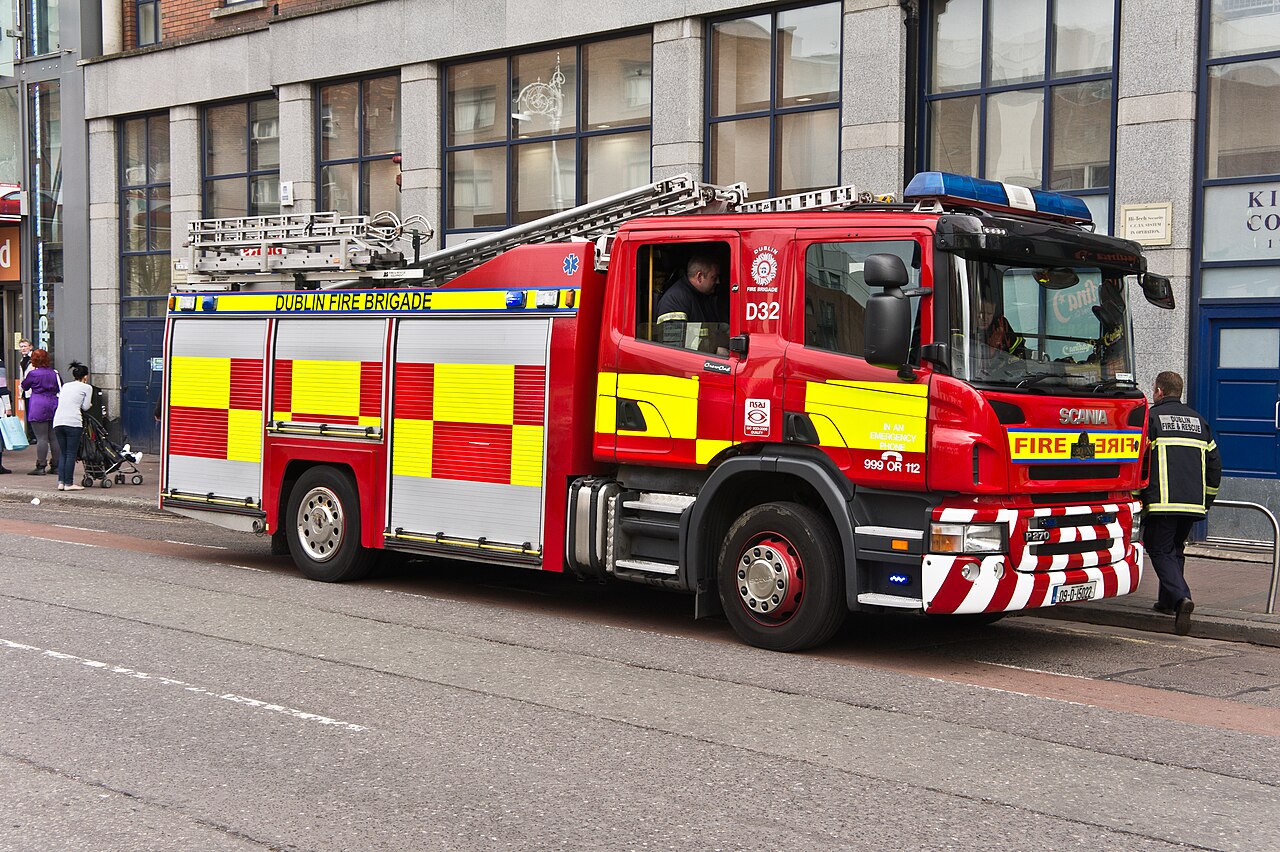
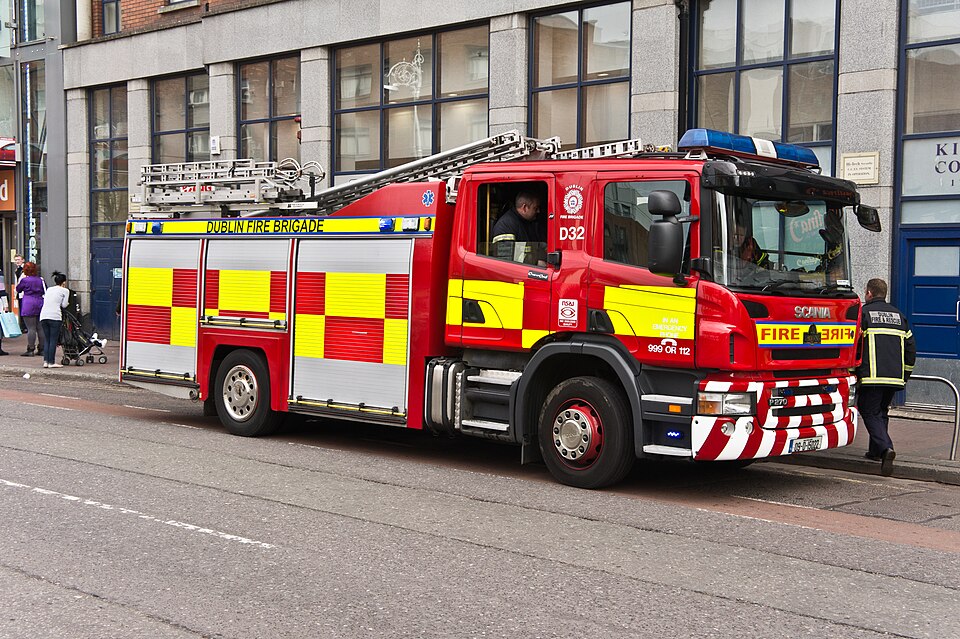
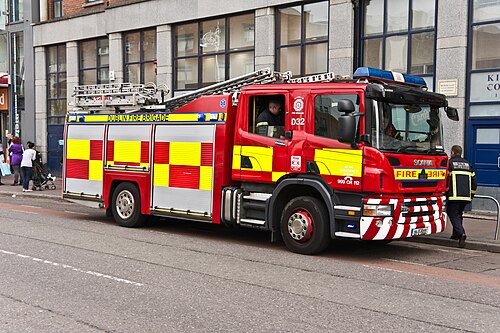
Licensed photographs of this type — heroes, eras and icons on one wall.
William MurphyWilliam MurphyJsjesseeMornselfEsquiloWilliam MurphyModel S charging at a Tesla station.jpg : Jakob Härter derivative work: Mariordo (Mario Roberto Durán Ortiz)